
Mastercard Highlights XRP Ledger After AI Payment Trial
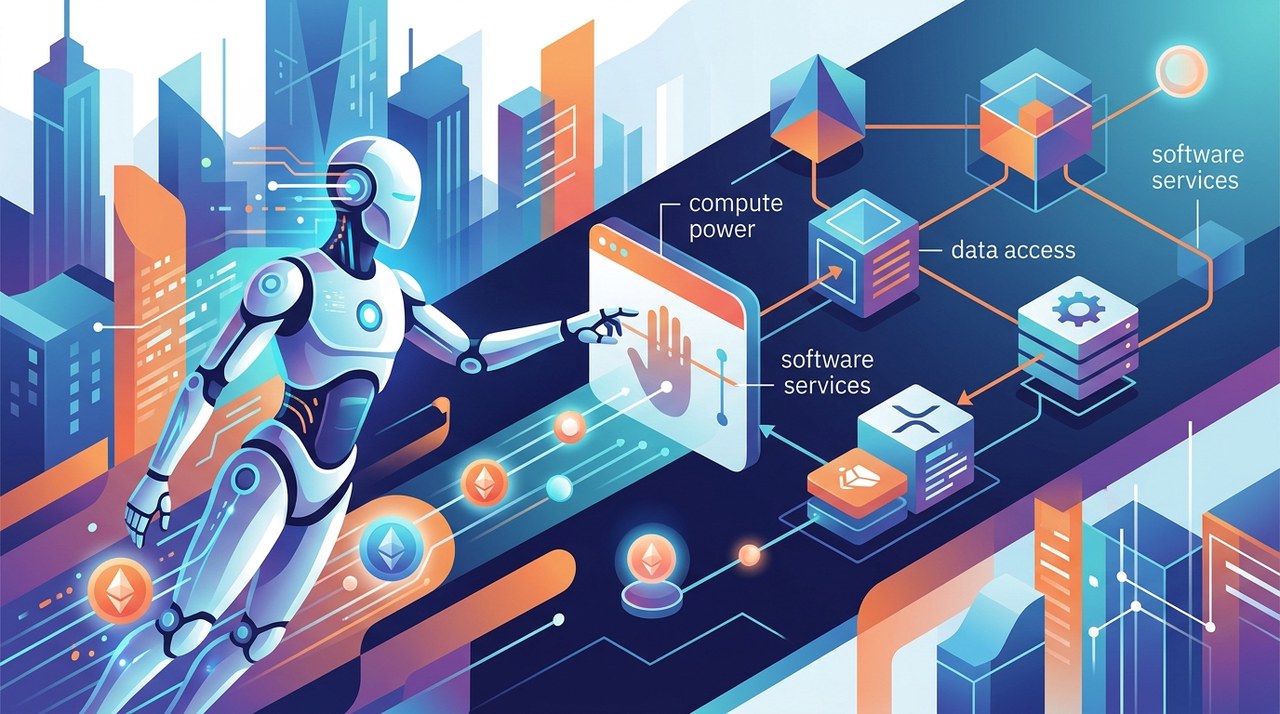
AI Agents Are Learning to Pay Their Own Bills on XRPL
Imagine a digital assistant that can hire another software tool, buy computer processing power, or purchase data all by itself without needing a human to click approve every time. That concept is quickly moving from science fiction into actual testing.
Global payments giant Mastercard recently featured the XRP Ledger (XRPL) after a major developer hackathon. The event showcased how artificial intelligence agents can perform autonomous payments over a blockchain while sticking strictly to spending limits set by human developers.
Inside the 36-Hour Hackathon in Manhattan
The hackathon took place over 36 fast-paced hours in Manhattan as part of the build-up to RippleXRP+1.48%'s annual Swell conference. The event drew significant attention and support across both traditional fintech and Web3 industries:
- 179 developers participated, building and submitting 70 completed projects.
- Supported by major industry names including Mastercard, Amazon Web Services (AWS), QuickNode, and Ledger.
- Featured a total prize pool of over $40,000 for top innovations in machine-to-machine commerce.
Following the event, Mastercard shared the results on social media platform X, explaining how participating coders utilized Mastercard's Agent Pay for Machines technology to test automated digital commerce safely.
How Micropayments Work with RLUSD
During the challenge, coders built smart AI agents capable of executing transactions directly with verified merchants without human intervention. To settle these payments, the agents used Ripple's USD-backed stablecoin, RLUSD, running on the XRP Ledger.
A key objective of the challenge was testing sub-cent micropayments — money transfers smaller than a single US cent ($0.01). Traditional credit card networks struggle with tiny payments because standard processing fees cost more than the transfer itself. High-speed blockchain networks like XRPL make these tiny transactions practical.
In the near future, these sub-cent payments could prove essential as AI agents continuously pay each other for micro-services, raw data, or extra computing capacity.
Michael Broderick, Vice President of Digital Assets at Mastercard, highlighted that Mastercard's Agent Pay for Machines framework helps ensure these autonomous machine payments stay within preset budgets and connect only with verified merchants.
Spotlight on the Winning Project: Wraps
The top project award at the hackathon went to an entry called Wraps, created by developers Adarsha Mishra and Hrishabh Ayush.
Wraps focused on user privacy in automated transactions. The team built a framework demonstrating that AI search logs and transaction activity were not saved or exposed while executing payments, addressing a major privacy concern in automated software.
XRPL Already Processes 500,000 Daily Machine Transactions
Machine-driven payments are not just a theoretical experiment. Mastercard's official write-up revealed that real-world automated activity on the XRP Ledger is already growing significantly:
- Over 500,000 daily transactions are currently conducted on the XRPL by autonomous AI agents.
- More than 10 million total payments have been recorded using the x402 internet payment protocol on XRPL.
- This 10 million payment milestone was reached less than three months after the x402 protocol crossed its 1 million payment mark.
Understanding Market Context and Risks
As interest in AI-driven machine commerce grows, institutional experimentation with digital assets and stablecoins like RLUSD continues to expand. However, market participants should view operational milestones with balanced perspective.
Past performance of digital assets or past operational metrics are not guaranteed indicators of future performance. Readers should carefully evaluate risks associated with digital asset volatility.
While testing by major firms like Mastercard points to real utility in blockchain payments, crypto markets remain subject to changing macroeconomic conditions and regulatory developments.
Latest blog posts



Charles Hoskinson Defends Cardano Utility Amid ADA Price Drop
Cardano founder Charles Hoskinson responded to community concerns after ADA fell over 95% from its peak, arguing price does not reflect underlying tech progress.
|


Shiba Inu Activity Spikes as 684 Billion SHIB Move
Over 684 billion SHIB tokens moved across crypto exchanges in 24 hours as Shiba Inu attempts a price recovery from recent lows.
|
3 Events That Could Shake Bitcoin Prices During Thanksgiving Week
Bitcoin faces three key market tests this Thanksgiving week, including inflation reports, ETF market closures, and a major $6.6 billion options expiration.
|