
MARA Secures $185M Debt Deal Following $1B Bitcoin Sale
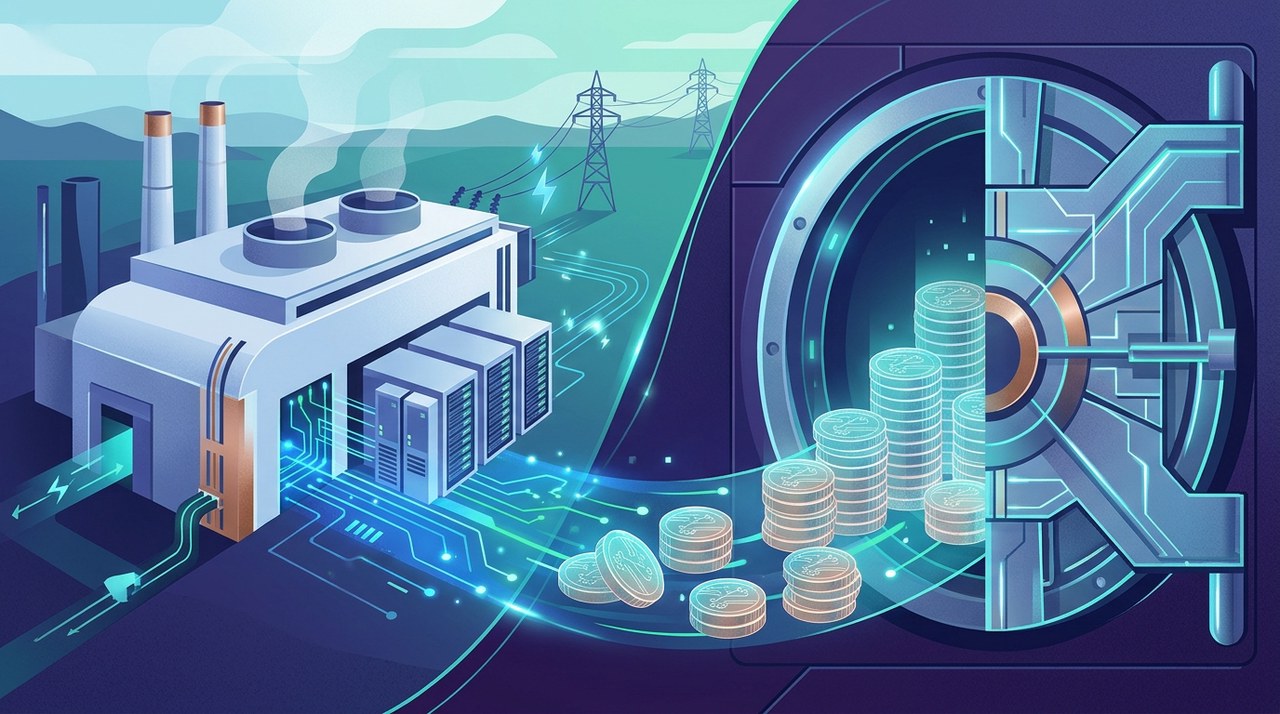
MARA Secures $185 Million in Debt Following Major Bitcoin Sale
Bitcoin mining firm MARA, formerly known as Marathon Digital Holdings, has taken on $185 million in new debt financing. This capital raise follows a major balance sheet cleanup in which the company sold approximately $1 billion worth of Bitcoin to pay off existing corporate loans.
The latest borrowing is directly connected to energy assets in Ohio. The move highlights how major crypto mining operations are restructuring their finances to support broader technology goals.
Breaking Down the $185 Million Financing Deal
The new $185 million debt package is tied to a power plant located in Ohio. Controlling dedicated power generation is becoming a key goal for large-scale mining operations due to rising energy demands.
Securing long-term access to power allows companies like MARA to stabilize their operational costs. Energy costs represent the single largest ongoing expense for high-density computing businesses.
- Securing low-cost, steady power capacity from an Ohio energy facility
- Refinancing corporate capital structures to reduce borrowing costs
- Preparing site infrastructure to support high-performance hardware
Why MARA Sold $1 Billion in Bitcoin to Repay Debt
Prior to securing this new financing, MARA liquidated roughly $1 billion in Bitcoin reserves. The main goal of this liquidation was paying down debt obligations previously accumulated during market expansions.
Paying off legacy debt clears expensive liabilities from MARA's financial statements. This leverage reduction gives the firm greater flexibility to finance new initiatives without taking on excessive risk.
Paying off debt by liquidating crypto reserves helps industrial miners reduce financial leverage and adjust to shifting market conditions.
The Strategic Pivot Toward AI Infrastructure
The core driver behind these financial decisions is MARA's ongoing strategic transition into Artificial Intelligence (AI) data infrastructure. The company is actively shifting a growing portion of its business toward hosting AI compute workloads.
AI data centers and Bitcoin mining facilities share very similar core needs. Both rely heavily on high-voltage power hookups, massive electrical infrastructure, and advanced cooling systems.
Why Bitcoin Miners Are Expanding Into AI
- Predictable cash flow: AI hosting clients often sign long-term multi-year contracts
- Halving risk management: Bitcoin block rewards decrease periodically, whereas AI revenue is stable
- Asset utilization: Existing power connections can be repurposed for high-performance computing
Market Context and Risk Factors to Consider
While diversifying into AI infrastructure creates stable revenue streams, investors should keep in mind that cryptocurrency mining and digital asset markets remain volatile.
Large liquidations of Bitcoin by mining entities can temporarily increase supply in spot markets. However, using proceeds to strengthen corporate balance sheets is a standard financial strategy used by public firms.
Past performance of digital assets is not an indication of future results. Real-time market trends and token prices can be monitored on the Bitkub BTCBTC-1.09% Market.
Looking Ahead
MARA's combination of liquidating $1 billion in BTC to pay off legacy debt and borrowing $185 million tied to an Ohio power facility illustrates a broader trend. Major miners are morphing into diversified energy and high-performance computing operators.
How successfully MARA balances its core Bitcoin mining operations with its expanding AI data center business will be an important metric to watch in coming quarters.
Latest blog posts
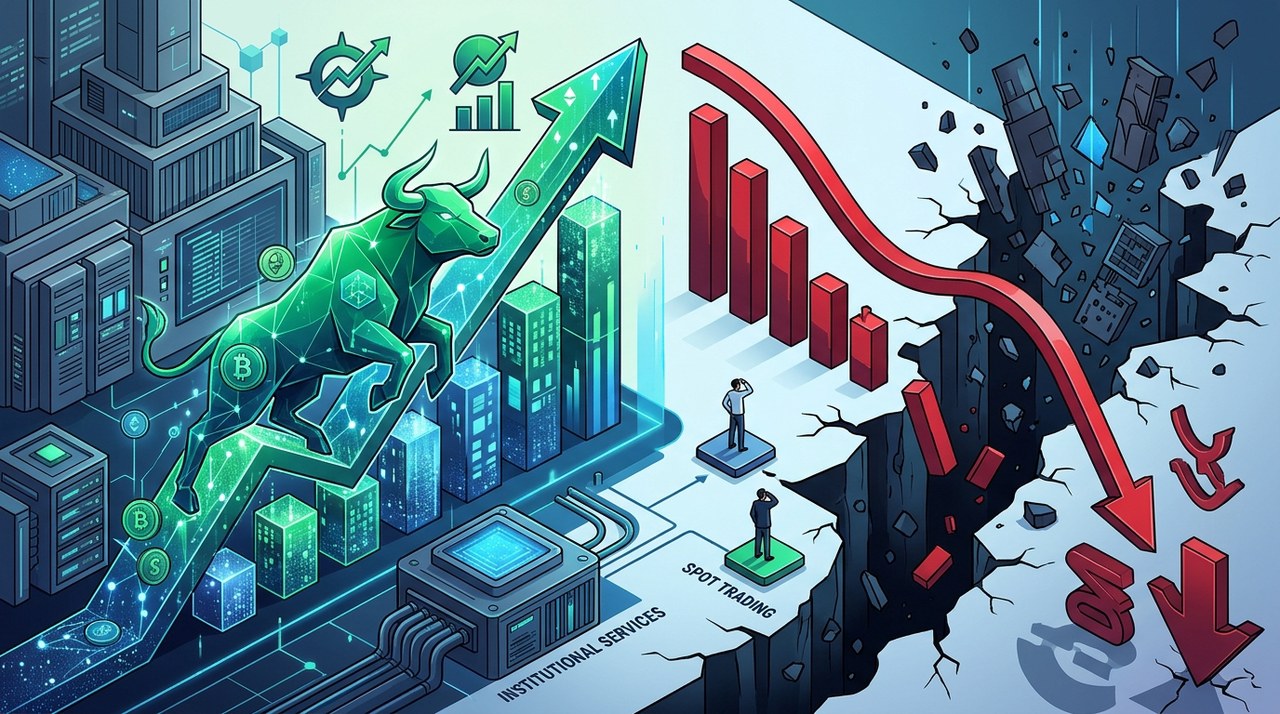
Bullish Beats Q3 Revenue Estimates Despite Net Loss
Institutional services helped crypto platform Bullish beat third-quarter revenue estimates, balancing out quieter spot trading activity across the market.
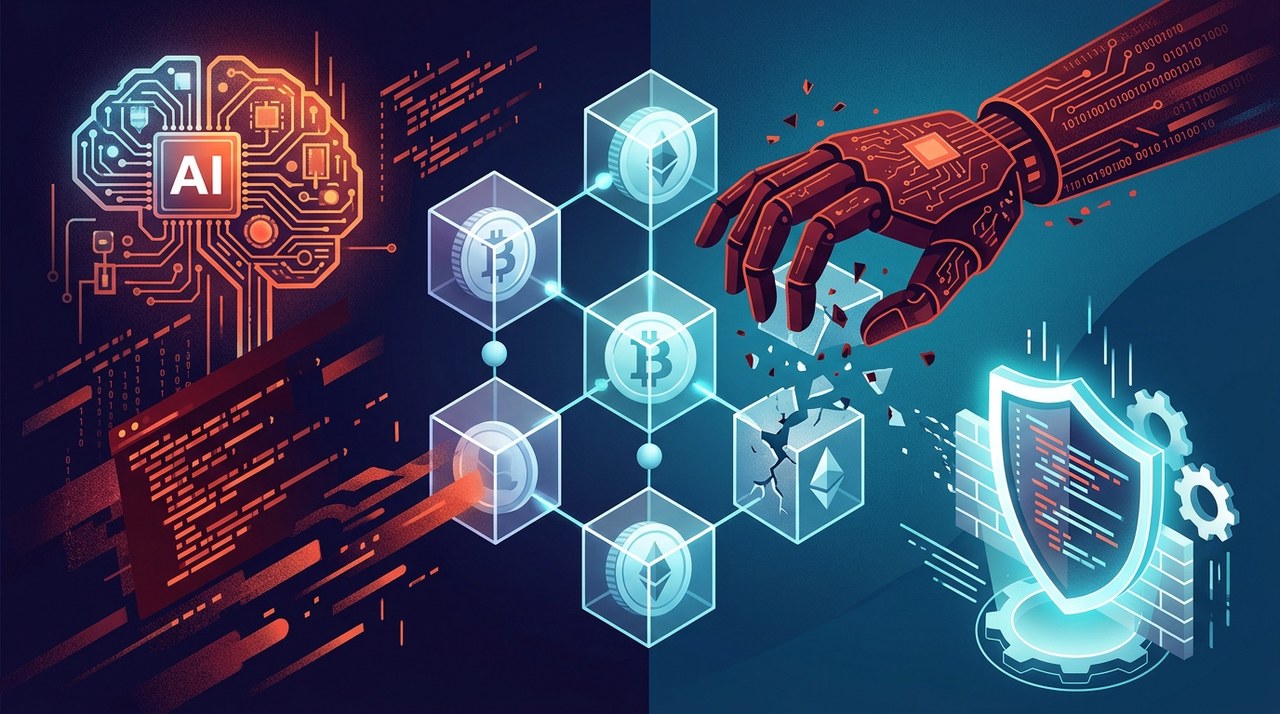


Anchorage Exec Warns AI Could Disrupt Crypto Security
An executive at Anchorage Digital warns that artificial intelligence could increase cyber threats against crypto networks over the next 12 months.
|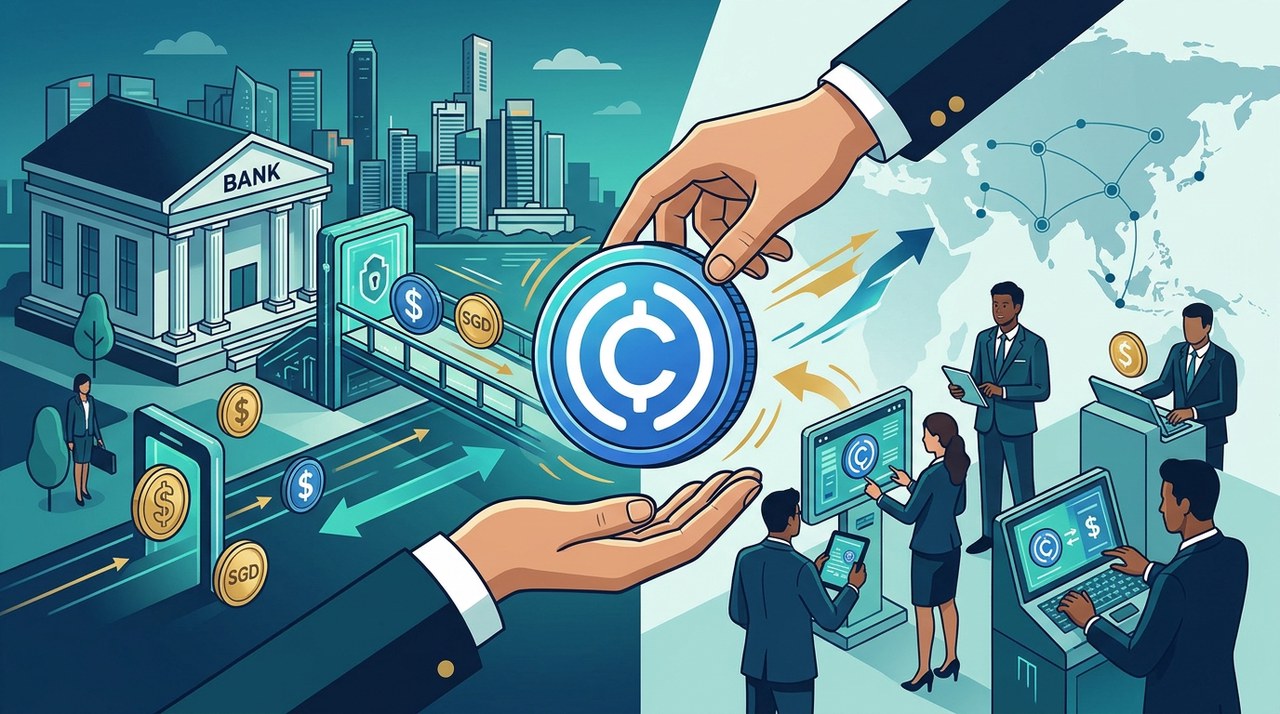

Circle Partners With DBS for Direct USDC Settlement in Asia
Circle has partnered with Singapore's DBS Bank to allow institutional clients to buy and redeem USDC directly as Asian banks develop competing digital payment systems.
|