
Latvia Takes Cautious Approach to Bitcoin and Crypto Rules
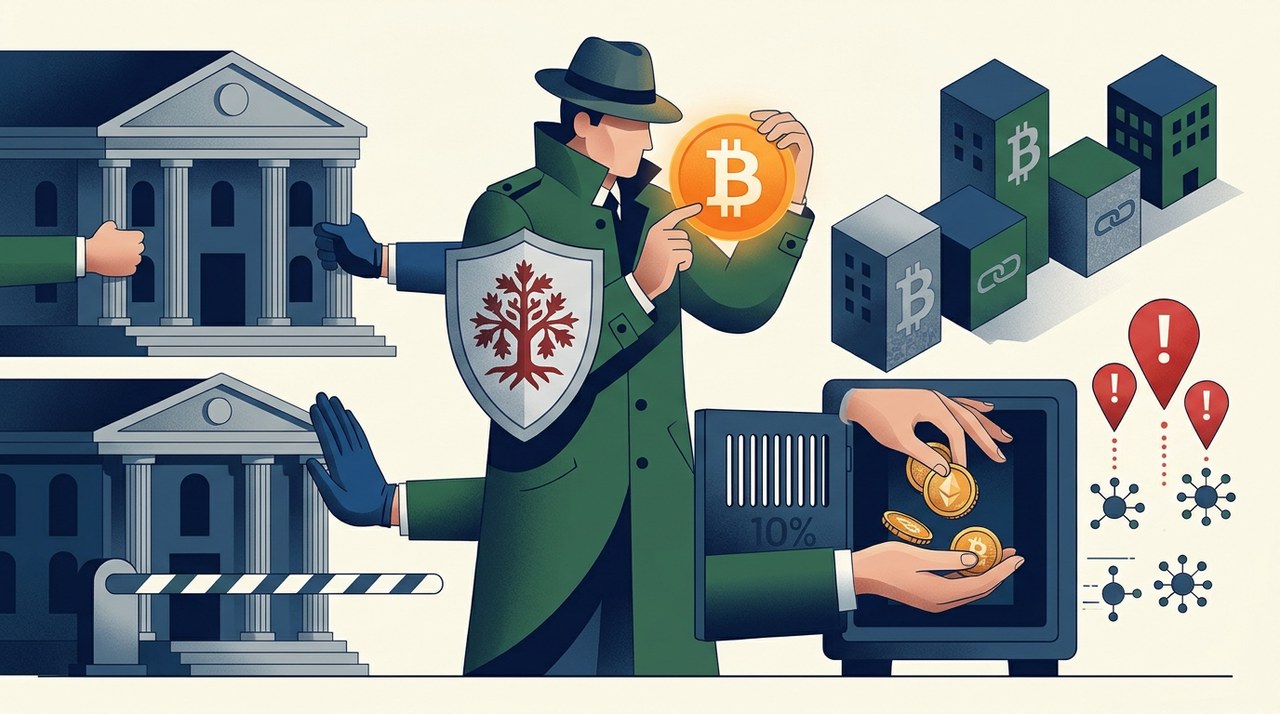
Latvia Signals Caution on Crypto and Strategic BitcoinBTC-0.90% Reserves
Latvia is taking a firm and cautious approach toward the digital asset industry. The country's central bank officially pushed back against proposals to build national Bitcoin reserves while maintaining a careful stance on asset tokenization.
At the same time, Latvia's Financial Intelligence Unit (FIU) backed a 10% crypto tax declaration window for investors. However, the authority also raised the risk rating for crypto firms operating in the country to medium-high.
Understanding the Central Bank's Stance on Bitcoin Reserves
A strategic Bitcoin reserve refers to the concept of a government holding Bitcoin alongside traditional treasury assets like gold or foreign currencies. Some global advocates argue that holding digital assets can diversify national reserves.
Latvia's central bank disagrees with this strategy for now. Bank officials expressed clear hesitation about holding volatile assets on the sovereign balance sheet.
Because cryptocurrencies experience sharp market movements, central banks often prioritize stability and liquidity over speculative yield when managing public reserves.
Why Is Latvia Cautious About Asset Tokenization?
Tokenization involves creating digital tokens on a blockchain that represent rights to real-world assets like bonds, stocks, or real estate. It allows fractional ownership and faster trade settlements.
While tokenization offers operational benefits, regulators remain watchful about legal enforcement, technological risks, and financial system safety. Latvia's central bank is choosing a measured path before fully adopting tokenized financial structures.
FIU Backs a 10% Crypto Tax Declaration Window
On the taxation front, Latvia's Financial Intelligence Unit supported a 10% crypto tax declaration window. This measure provides a clear framework for taxpayers to report their digital asset holdings.
A tax declaration window gives crypto holders a specific time frame to disclose profits and settle liabilities at a fixed rate. Offering a 10% rate aims to encourage voluntary tax compliance across the country.
Clear guidelines help crypto holders calculate their obligations accurately without facing unexpected legal challenges down the road.
Crypto Firms Face Increased Risk Rating
Even as the FIU backed the tax initiative, it increased the official risk assessment rating for digital asset businesses to medium-high.
A medium-high risk rating means supervisory agencies consider crypto service providers to have greater potential exposure to anti-money laundering and compliance risks. As a result, exchanges and custodial services operating in Latvia must follow stricter reporting standards.
Businesses must conduct thorough background checks on customers to prevent illegal financial activity and comply with broader European financial frameworks.
Balancing Innovation with Systemic Security
Latvia's latest policy decisions reflect a broader attempt by European regulators to balance market growth with risk control. Authorities are working to collect tax revenue while keeping systemic risks low.
By rejecting Bitcoin reserves and tightening oversight on service providers, Latvian authorities prioritize institutional stability over rapid market expansion.
Market participants should remember that digital assets remain subject to market volatility. Past performance of digital assets is not an guarantee of future performance. Investors can track current market trends at bitkub.com/th/market/BTC.
Latest blog posts


AI Usage Is Soaring But Spending Has Stalled: What It Means
AI adoption is reaching record highs, yet spending on new services has temporarily plateaued. Here is why this shift is happening and what it means for tech and crypto markets.
|
Salesforce Crypto Bets: What to Know Before Dec 2 Earnings
Salesforce reports earnings on Dec 2. While the tech giant doesn't hold Bitcoin, its venture investments in crypto tech offer unique market exposure.
|

 +2
Justin Sun Demands Probe Into Trump-Backed WLFI Project
Justin Sun has called on regulators to investigate World Liberty Financial after a $20 million Ethereum sale triggered token drops and stablecoin instability.
|