
Kimber Gains Broker-Dealer Status for Tokenized Assets
A Major Step Forward for Real-World Assets
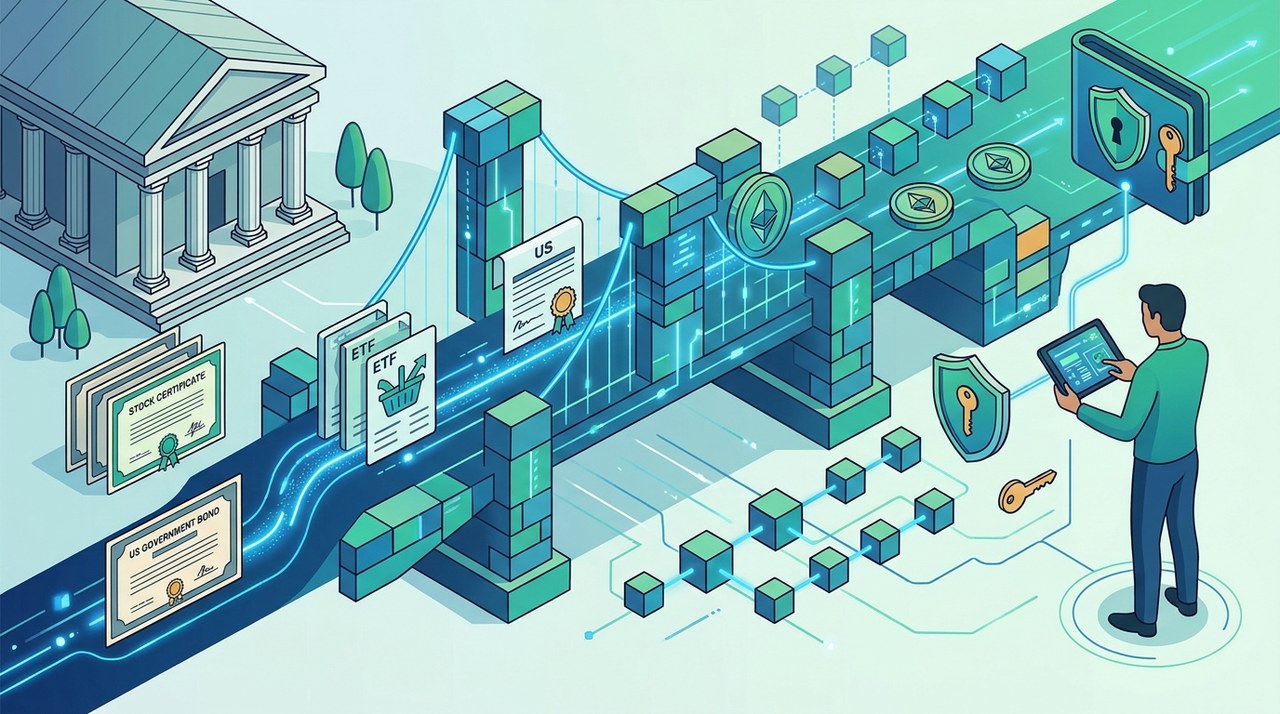
The line between traditional finance and blockchain technology continues to shrink. In a recent regulatory milestone, Kimber Digital Securities, an affiliate of the PlumePLUME+4.44% network ecosystem, officially secured broker-dealer status. This approval paves the way for the company to bring traditional financial instruments directly onto the blockchain in a fully regulated environment.
Through this new status, Kimber plans to allow investors to access tokenized versions of US stocks, exchange-traded funds (ETFs), and bonds. What makes this initiative particularly notable is that users will be able to manage these assets using self-custodial crypto wallets while retaining their full traditional shareholder rights.
Understanding Broker-Dealer Status
To understand why this development is significant, it helps to look at how securities are regulated in traditional financial markets. A broker-dealer is a firm licensed to buy and sell securities on behalf of its clients, as well as for its own account.
In the world of cryptocurrency, many projects attempting to offer tokenized stocks have operated in regulatory gray areas. By securing formal broker-dealer status, Kimber Digital Securities establishes a compliant bridge between traditional capital markets and decentralized technology. This regulatory framework gives institutional and retail participants clear guidelines on how tokenized assets are managed and traded.
What Will Users Be Able to Hold?
Under its new status, Kimber Digital Securities intends to introduce three primary asset classes to the blockchain ecosystem:
- US Stocks: Fractional or full digital tokens representing equity shares in publicly traded companies listed on major US exchanges.
- ETFs (Exchange-Traded Funds): Digital tokens representing pooled investment funds that track market indices, commodities, or baskets of stocks.
- Bonds: Tokenized fixed-income debt securities issued by corporate entities or government institutions.
The Power of Self-Custody
One of the main differentiators in Kimber's platform model is the choice to enable self-custodial wallets. In traditional broker accounts, custody of your shares stays entirely with centralized institutions or intermediaries.
By enabling self-custodial access, investors hold the private keys to the wallets that store their tokenized securities. This allows users to retain direct control over their assets while interacting with compliant financial products, blending the security of blockchain ownership with regulated market oversight.
Preserving Shareholder Rights
A frequent concern with tokenized real-world assets (RWAs) is whether holding a digital token conveys true ownership of the underlying asset. In many early crypto experiments, synthetic stock tokens offered price exposure but left buyers without legal standing or voting privileges.
Kimber's structure addresses this issue by ensuring that traditional shareholder rights remain intact. This means token holders can retain entitlements such as voting rights on corporate actions and legal claims to dividend distributions where applicable, matching the protections available through classic brokerage accounts.
How Plume Fits into the Ecosystem
Kimber Digital Securities operates as an affiliate of Plume, a modular blockchain network designed specifically for onboarding and trading Real-World Assets (RWAs). The Plume ecosystem focuses on creating dedicated infrastructure that makes it easier to token-enable financial assets like private credit, real estate, and traditional securities.
By aligning regulated broker-dealer entities with specialized blockchain infrastructure like Plume, the platform aims to streamline tokenization processes while adhering to regulatory standards across different financial markets.
Key Risks and Market Considerations
While regulatory approvals show ongoing progress in market infrastructure, market participants should always evaluate the inherent risks involved in both traditional securities and digital asset technology:
- Market Volatility: Tokenized stocks, ETFs, and bonds remain subject to real-world economic conditions, market swings, and interest rate movements.
- Smart Contract Risk: Assets issued on public or permissioned blockchains depend on software code, which carries potential technical exposure or vulnerability risks.
- Regulatory Evolution: Global standards around real-world asset tokenization are still evolving across jurisdictions, which may affect future asset availability and features.
Past performance of traditional securities or digital assets is not an indicator of future results. Investors should evaluate their financial goals, research asset structures thoroughly, and consider potential risks before engaging with tokenized financial instruments.
Latest blog posts

Former NYSE President Highlights Key to Asset Tokenization
Stacey Cunningham, former President of the NYSE and current President of Bullish, emphasizes stock issuers as vital for tokenization strategy.


Bitcoin Tests Key Support Levels After US Inflation Release
Bitcoin experienced downward pressure after US CPI data came in higher than expected, pushing prices near key support levels while stablecoin supplies contracted.
|
Bitcoin Drops Below $74,000 Following Hot Inflation Data
Bitcoin dipped below $74,000 after October's CPI report came in higher than expected, leading market analysts to monitor key support levels around $73,000 and $69,000.
|