
JPMorgan Projects 10% Annual Return for Bitcoin

JPMorgan Asset Management recently included BitcoinBTC-5.69% in its long-term investment assumptions, estimating a 10% compound annual return for the digital asset over a 10 to 15-year horizon.
How Bitcoin Compares to Traditional Assets
According to the long-term capital market study released on October 19 (using data as of September 30), Bitcoin achieved the highest projected annual return among more than 200 major asset classes evaluated.
To put that 10% figure into perspective, JPMorgan projected a 7.5% annual return for U.S. large-cap equities and 9.8% for private equity. A standard 60/40 stock-and-bond portfolio carried an expected return of 7%, while gold sat at 5.5%.
However, these long-term return estimates rely heavily on specific market conditions, including continued global adoption and favorable liquidity. If macroeconomic policies shift or regulatory hurdles intensify, actual returns could be significantly lower or negative.
Grayscale Highlights Key Institutional Milestone
Zach Pandl, Head of Research at Grayscale Investments, noted on November 4 that Bitcoin's inclusion in JPMorgan's 2027 assumptions marks a significant step forward for institutional adoption.
Its projected 10% compound annual return exceeds estimated returns for all other asset classes, while its estimated correlation with US large cap stocks is just 33%—below international equities, corporate bonds, and hedge funds.
A 33% correlation with U.S. large-cap stocks suggests that Bitcoin often moves independently from traditional equities. By comparison, gold showed an even lower correlation with U.S. stocks, though it came with a lower expected return of 5.5%.
High Volatility Complicates Portfolio Planning
Alongside the 10% projected return, JPMorgan assigned Bitcoin an annualized volatility of 55%. This high level of risk makes portfolio modeling more complex for institutional managers.
Because of unstable correlation patterns over time, JPMorgan chose to keep Bitcoin outside its primary covariance matrices. The analysts categorized Bitcoin as a speculative asset tied to monetary easing, regulation, adoption rates, and overall market liquidity.
Forecasting Bitcoin's performance remains unique because, unlike traditional corporate assets, it does not generate underlying cash flows.
How Major Institutions Suggest Allocating Crypto
Financial institutions are providing guidance on how investors might position digital assets within broader investment portfolios:
- BlackRock (June guidance): Suggested a 1% to 2% Bitcoin allocation as a potential complementary diversifier, warning that larger positions could substantially raise overall risk.
- Bank of America (December 2025 guidance): Supported a 1% to 4% digital-asset allocation for suitable wealth management clients comfortable with price volatility across Merrill, BofA Private Bank, and Merrill Edge.
- Grayscale Model Portfolios (September 14): Launched four model strategies built from crypto exchange-traded products, utilizing quarterly rebalancing while capping any single asset at 40%.
Investors evaluating crypto allocations should note that past performance of digital assets is not an indicator of future results.
Latest blog posts

IREN Drops Bitcoin Mining to Focus Fully on AI Infrastructure
IREN reports a 58% decline in Bitcoin mining revenue as the firm plans a complete exit by year-end to double down on AI cloud services.
|


World Liberty Launches WLFI Token Buyback Strategy
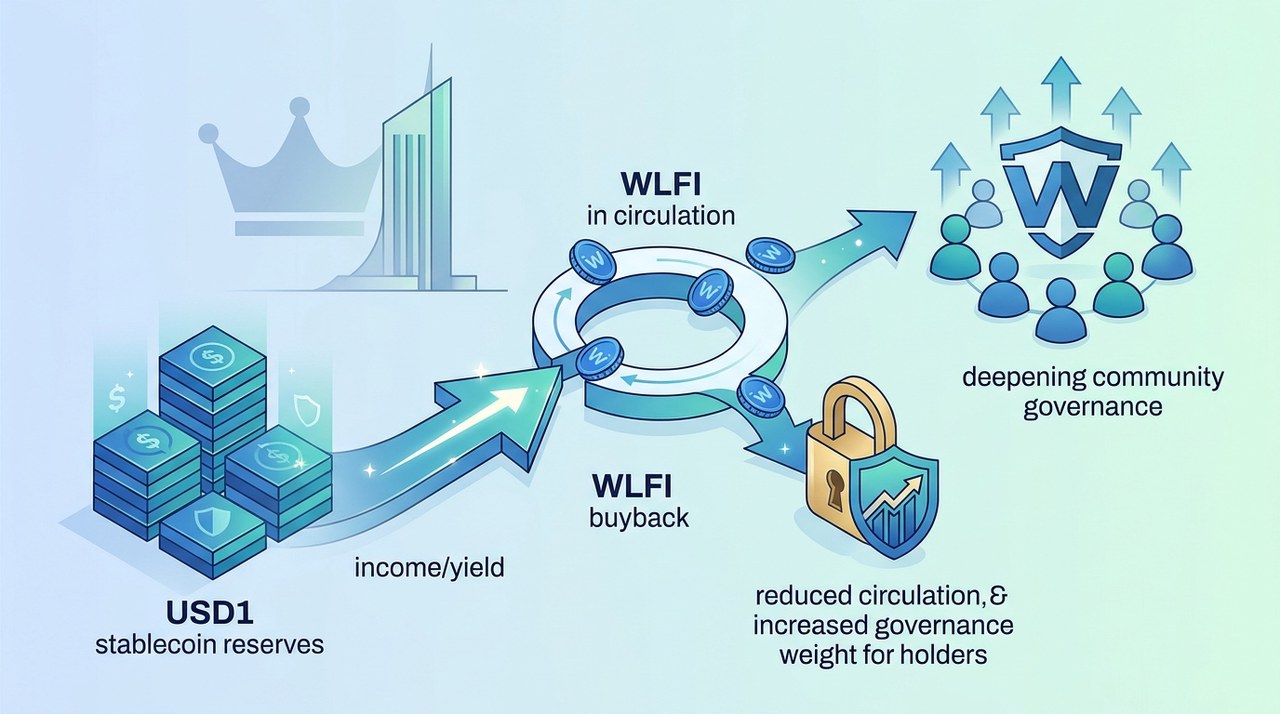
World Liberty Financial launched a buyback program for its WLFI token, powered partly by interest income earned from its USD1 stablecoin reserves.
|


Ripple CEO Says Crypto Is Here to Stay After US Elections
Ripple CEO Brad Garlinghouse points to bipartisan election victories and 67 million American crypto holders as evidence of the industry's growing influence.
|