
JPMorgan Chase Outage Caused by Internal Bug, Not Cyber Attack
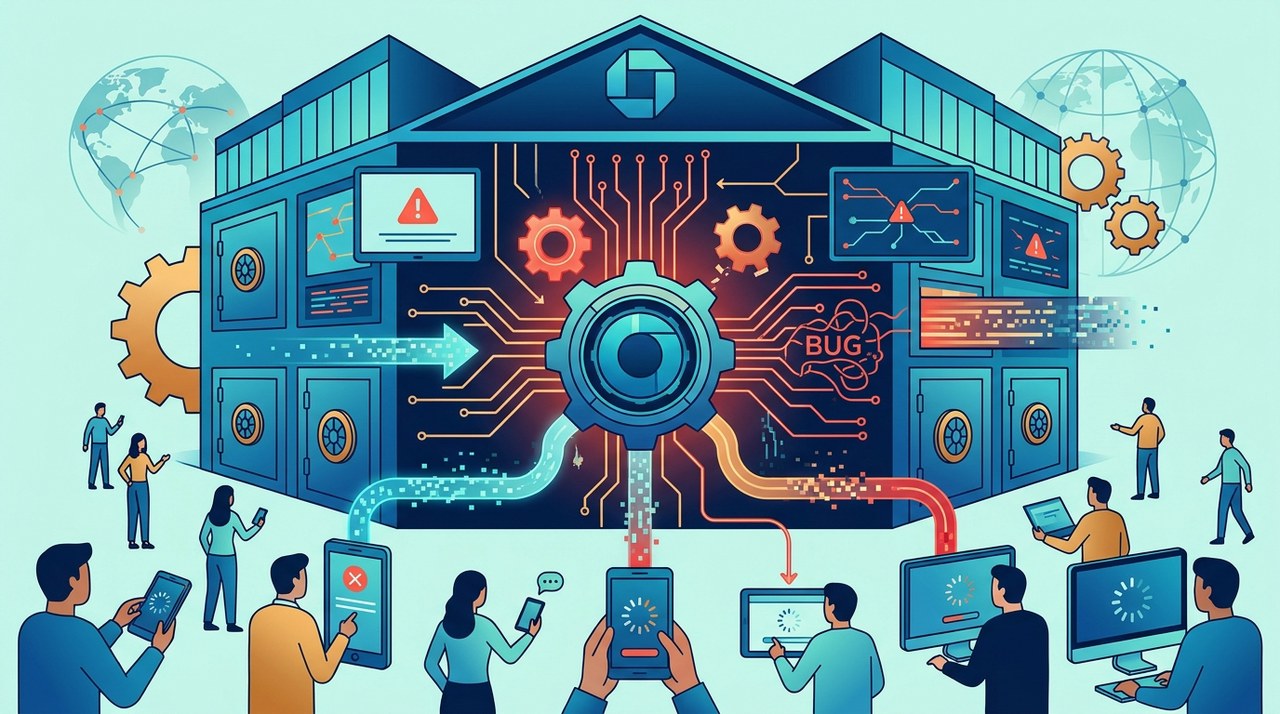
What Happened During the JPMorgan Chase Banking Disruption?
On Monday, customers of JPMorgan Chase experienced unexpected service disruptions across digital banking systems.
When a major bank faces downtime, users naturally express concern over security.
Many observers wondered if malicious hackers had targeted the financial institution.
However, JPMorgan Chase clarified that the issue stemmed from an internal software bug.
The company confirmed that the disruption was not related to a cyberCYBER-9.05% attack.
JPMorgan Chase reported that Monday's banking disruption was caused by an internal software bug and was not cyber-related.
A Week of High-Profile Technical Disruptions
The banking glitch occurred alongside several other notable system failures in the same week.
Days earlier, Microsoft suffered a major global failure affecting key tools like Outlook and Teams.
That incident interrupted communication workflows for businesses around the world.
Shortly after, the Federal Aviation Administration experienced an operational issue on Friday.
A nationwide ground stop was issued due to faulty air traffic control equipment.
Is There Any Connection Between These Outages?
Because these failures happened around the same time, speculation spread regarding potential coordinated attacks.
Commentators and analysts, including experts referenced at Loyola University New Orleans, examined the timeline.
Official assessments confirm there is no evidence linking the bank outage to the Microsoft or FAA incidents.
Each event was determined to be an isolated technical failure.
Internal Software Bugs vs. Cyber Attacks
Understanding the difference between an internal bug and an external attack helps clarify system risks.
An internal software bug is similar to a light bulb failing inside your home.
The malfunction originates internally, requiring technical teams to update or repair code.
A cyber attack is comparable to an unwanted intruder attempting to break through your front door.
It involves external actors trying to gain unauthorized access to private databases.
- Internal Bug: Caused by unintentional coding errors or system updates within the infrastructure.
- Cyber Attack: Intentional breaches attempt by external malicious entities to access sensitive information.
- Operational Outage: System downtime caused by hardware failure or software misconfigurations.
Because JPMorgan Chase confirmed an internal bug, security protocols remained effective without data compromise.
System Vulnerabilities and Digital Asset Infrastructure
Centralized networks depend heavily on unified server clusters to maintain daily operations.
If a single central component encounters an error, dependent services may pause temporarily.
Decentralized technologies offer alternative infrastructure designs by distributing operations across independent nodes.
Decentralized Networks and Cybersecurity Tokens
Developers in the Web3 space focus on reducing single points of failure in digital systems.
Projects related to cybersecurity and identity, such as CYBER, build tools for decentralized identity structures.
These frameworks aim to enhance system resilience while giving users greater control over digital accounts.
However, all digital assets experience price volatility and market risks.
Past performance of digital assets is not an indicator of future performance.
Best Practices During Technical Outages
When major digital services encounter disruptions, users can follow simple steps to minimize impact.
- Verify Information: Rely on official announcements rather than unconfirmed social media reports.
- Maintain Contingencies: Keep alternative payment options or backup communication channels available.
- Monitor Security Update Logs: Ensure applications receive regular security patches from verified vendors.
- Practice Patience: Allow engineering teams time to test fixes safely before services fully restore.
Looking Forward: Improving Network Resilience
The concurrent system issues across banking, tech platforms, and aviation highlight society's reliance on software.
As institutions update code, rigorous testing processes remain essential to avoid service interruptions.
Distinguishing software bugs from malicious attacks ensures users stay informed with accurate facts.
Latest blog posts
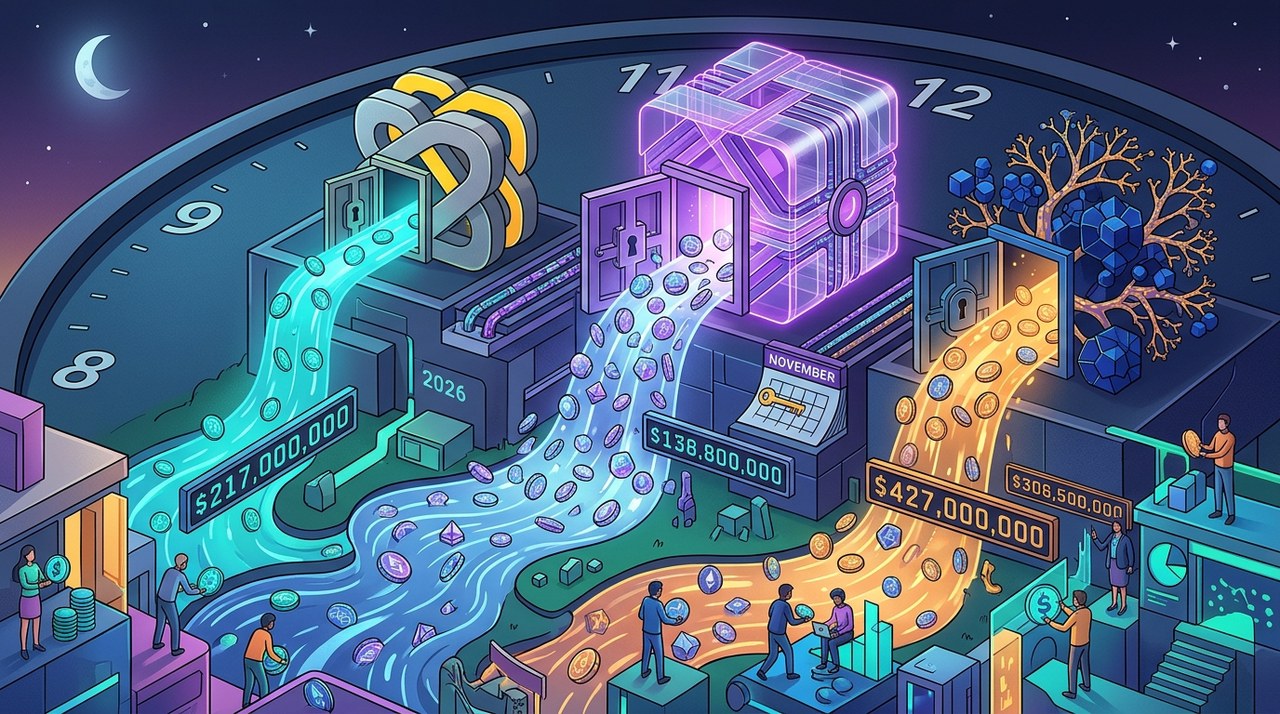


3 Token Unlocks to Watch in Late November 2026
Over $567 million in tokens from Monad, Plasma, and SoSoValue will unlock in late November 2026, introducing potential market volatility.
|


 +1
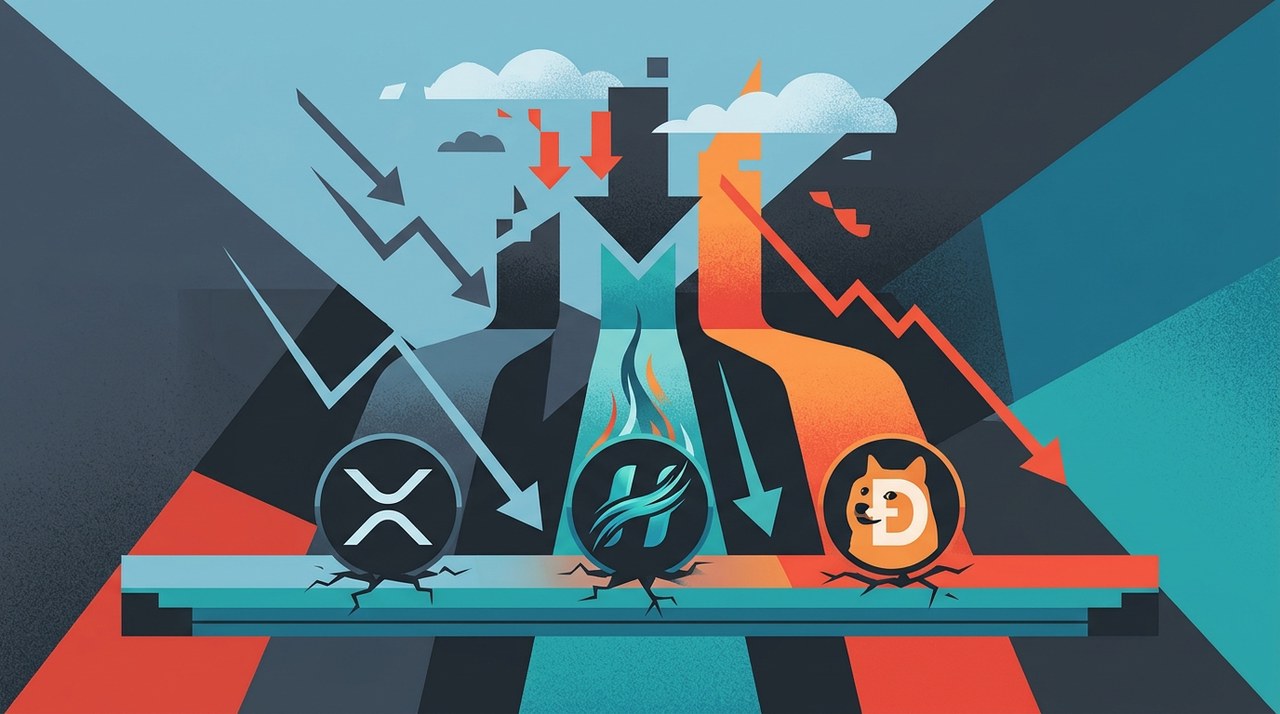
Altcoin Price Analysis: XRP, HYPE, and DOGE Test Key Support
A clear breakdown of price action, technical levels, and key market factors for XRP, Hyperliquid, and Dogecoin.
|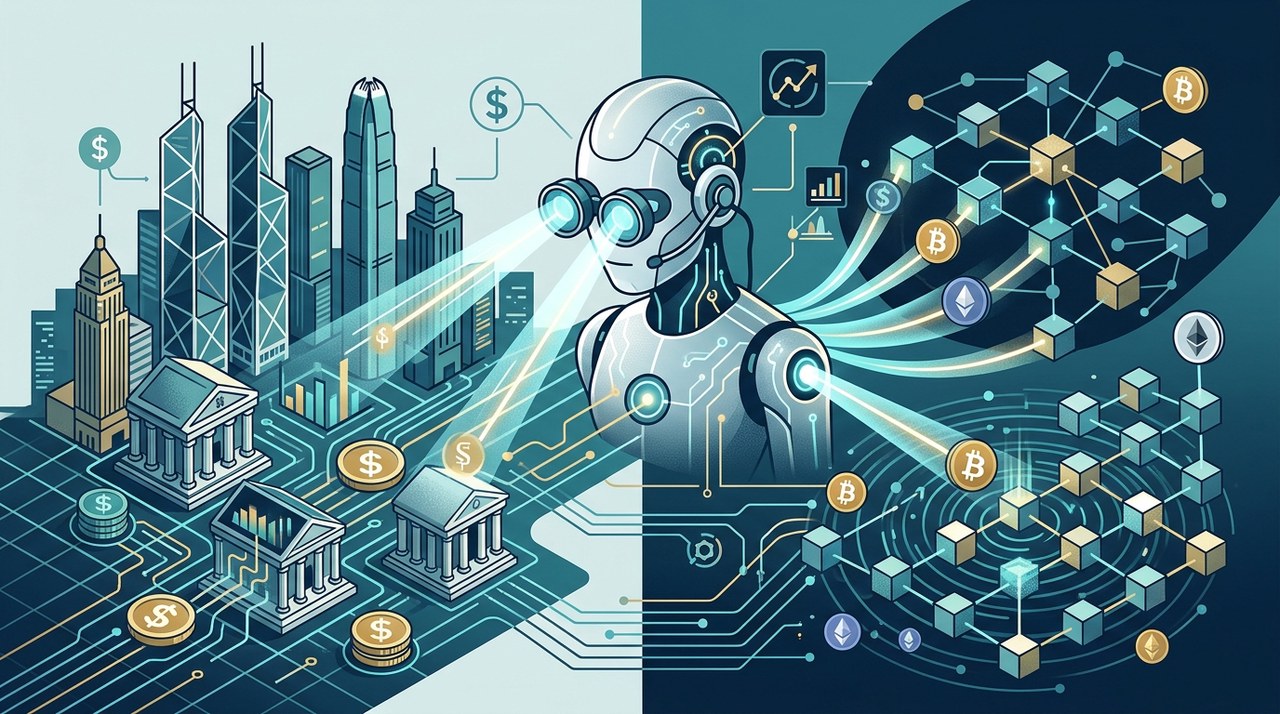
Hong Kong Tests Agentic AI to Track Crypto Crime
Hong Kong's central bank is exploring autonomous AI agents to help financial institutions track suspicious crypto transfers and protect users.