Is Nvidia Bigger Than Its Founder? Dan Ives Weighs In

A Sudden Leadership Change at Nvidia
Nvidia recently experienced a major shift at the top. Co-founder and Chief Executive Officer Jensen Huang officially stepped down on November 12.
His resignation followed revelations regarding personal affairs. Nvidia's board concluded that his personal conduct conflicted with the company's standards.
In the interim, Chief Financial Officer Colette Kress has taken over management duties. Meanwhile, executive search firm Heidrick & Struggles is seeking a permanent chief executive.
Despite the sudden leadership transition, the stock market showed resilience. Nvidia shares rose over 3% in extended trading after the company published its first earnings report without Huang leading the call.
However, investors should note that past stock performance does not guarantee future results in financial markets.
Why Dan Ives Believes the Chip Comes First
When an iconic founder departs, investors often worry about a company's direction. But Dan Ives, senior managing director at Yorkville Ives & Co., views the situation differently.
In a recent interview with Bloomberg, Ives emphasized that Nvidia's market power stems from its technology rather than any single individual.
"Jensen or no Jensen, it's one chip in the world fueling AI and it's Nvidia."
Put simply, major tech platforms across the globe rely heavily on Nvidia's specialized graphics processors to run artificial intelligence applications. That fundamental market demand remains in place regardless of executive office changes.
Fair Value Estimates and Market Risks
Ives currently sets a fair value target of $225 per share for Nvidia stock. He also suggested that Nvidia's fiscal 2028 revenue growth guidance of 75% could reach between 85% and 90%.
These price and revenue projections depend on specific market conditions. They assume that global infrastructure spending on AI servers remains strong and that Nvidia avoids severe supply disruptions.
Investors should consider potential downside risks as well. If tech firms cut back on AI capital spending or if regulatory pressures increase, revenue growth could slow, which could cause stock price adjustments.
Activist Investors and Board Room Dynamics
While Huang has resigned, discussions are circulating about potential corporate activism. Under Nvidia's bylaws, shareholders holding 15% of voting power for at least one year can call a special meeting.
Corporate filings credit Huang with holding 3.58% of voting power. Activist investor Bill Ackman, founder of Pershing Square Capital, has floated the idea of partnering with Huang.
To reach the required 15% threshold, any coalition would need backing from major institutional holders. Current disclosures show BlackRock holding 7.43% and Vanguard Capital Management holding 7.31% of voting power.
Speaking on Bloomberg's Surveillance program, Ives expressed surprise at the noise surrounding potential shareholder actions.
"The activism has surprised me just how loud it is."
How Corporate Rules Impact Governance
Governance structure plays a critical role in how shareholder disputes unfold. Nvidia does not maintain a staggered board, meaning all board seats are open for election during governance votes.
Additionally, the company lacks supermajority voting requirements. As a result, a simple majority during a special meeting could theoretically vote to replace the entire board of directors.
This structure turns an internal executive transition into a broader test of investor influence over a primary hardware supplier for the AI industry.
Prediction Markets and Broader Industry Impact
Decentralized prediction platforms like Polymarket have also tracked developments. Data showed contracts pricing the probability of Huang returning as CEO before the end of 2027 at around 30%.
Prediction market odds fluctuate quickly based on sentiment and should be viewed as speculative indicators rather than official corporate forecasts.
The demand for high-performance computing chips also connects to the crypto ecosystem. Decentralized AI protocols and computing tokens like CHIP rely on hardware availability and continued sector innovation.
Summary
Leadership changes naturally create temporary uncertainty for public companies. However, analysts like Dan Ives point out that core product demand remains the primary driver of Nvidia's business valuation.
Whether board dynamics remain stable or face activist pressure, market performance will ultimately depend on broad industry adoption of artificial intelligence hardware.
Latest blog posts

Banks Finish Trial for Interoperable Tokenized Deposits
Standard Chartered, StraitsX, and OCBC have completed a trial testing the interoperability of tokenized deposits across platforms.
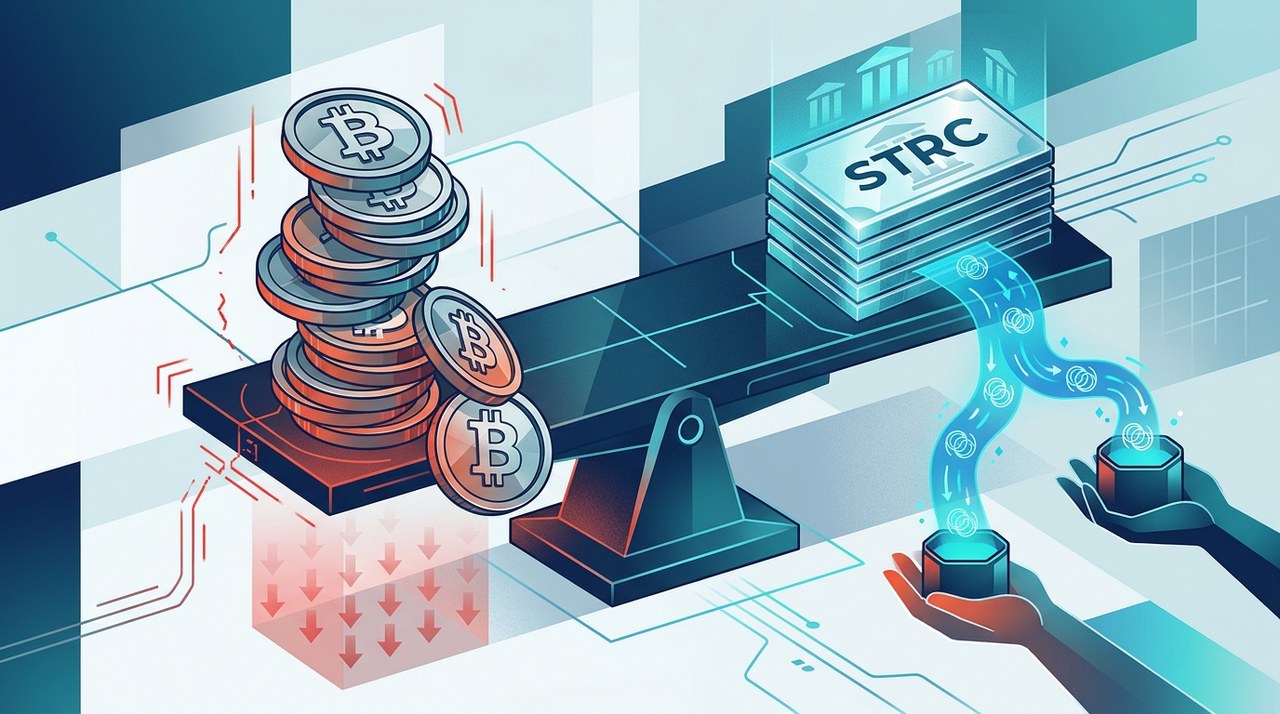

Is MicroStrategy's 12% STRC Dividend Safe After Price Dip?
MicroStrategy's preferred stock STRC slipped below its $100 benchmark as Bitcoin pulled back, raising questions about its 12% dividend and buyback strategy.
|

Is Altseason Here? Why Falling Bitcoin Dominance Tells a Different Story
Bitcoin dominance dropped below 60%, but capital is moving into stablecoins rather than altcoins, pointing to a defensive market posture.
|