
Illinois Crypto Tax Unites DOJ, Banks, and DeFi

An Unlikely Team Forms in Illinois
Imagine three groups that rarely agree on anything suddenly standing shoulder to shoulder. That is exactly what is happening right now in Illinois.
The U.S. Department of Justice (DOJ), traditional banking institutions, and decentralized finance (DeFi) platforms are opposing new state-level crypto legislation.
State lawmakers wanted to create a clear framework for taxing and regulating digital assets. However, the proposed rules have raised major concerns across the entire financial spectrum.
What Is the Illinois Crypto Tax Bill?
State governments across the United States are looking for ways to regulate digital assets and boost tax revenue. Illinois introduced legislation aimed at tracking crypto transactions within state borders.
On paper, the bill aims to bring order and funding to local initiatives. In practice, the proposed requirements create massive operational hurdles for financial providers.
- Mandatory transaction reporting for state residents using digital assets.
- Strict compliance duties for financial intermediaries handling crypto tokens.
- Potential tax obligations on automated decentralized protocol interactions.
Why Traditional Banks Are Concerned
You might wonder why traditional banks care about state-level crypto laws. Banks are already heavily regulated by federal authorities.
Adding a complex web of 50 different state laws makes compliance extremely expensive. Banks fear that state mandates will create conflicting rules across state lines.
If Illinois imposes distinct reporting rules, nationwide banks must build separate tracking systems just for customers in one state.
How DeFi Protocols Like UniswapUNI-5.71% Are Affected
Decentralized finance protocols work very differently from standard banks. Platforms like Uniswap run on self-executing smart contracts without central management.
The proposed Illinois legislation requires entities processing transactions to collect user data and levy taxes. For non-custodial software, fulfilling these duties is nearly impossible.
Software code cannot check a driver's license or verify residency before executing a token swap. Forcing software developers to act as tax collectors could push innovation out of the state.
Why the DOJ Shares Regulatory Concerns
The Department of Justice usually focuses on federal law enforcement and anti-money laundering enforcement. So why is federal law enforcement concerned about an Illinois state tax proposal?
The DOJ is concerned about federal preemption and regulatory confusion. When individual states create overlapping rules, it can complicate federal financial investigations.
Clear, unified federal guidelines help law enforcement track illicit finance more effectively than a patchwork of contradictory state mandates.
Common Ground: Why These Groups Agree
While these three groups usually have different goals, they share a common problem with state-by-state regulation.
Think of it like traffic rules. If every city on a highway sets its own unique speed limits and street sign rules, driving across the state becomes chaotic for everyone.
- Regulatory Consistency: All parties prefer uniform federal rules rather than 50 separate state systems.
- Technical Feasibility: Compliance requirements must match what decentralization technology can actually execute.
- Jurisdictional Clarity: Clear boundaries between state authority and federal oversight are essential.
Market Impact and Considerations for Crypto Investors
Regulatory news often creates short-term price uncertainty for tokens like UNI and the broader market. When state regulatory friction increases, market participants usually take a cautious approach.
If federal agencies and industry leaders successfully encourage state lawmakers to revise the bill, it could establish a more workable legal framework.
However, if strict state laws pass, compliance costs could rise for platforms operating in the region. Investors should keep in mind that regulatory developments are ongoing and unpredictable.
Past performance of digital assets is not a guarantee of future returns. You can view current trading pairs on Bitkub Market.
What Comes Next for State Crypto Laws?
The situation in Illinois is a preview of a bigger debate happening across the United States. Lawmakers want tax revenue, but crypto technology does not fit neatly into traditional state boundaries.
The joint opposition from banks, federal agencies, and DeFi developers will likely force lawmakers to revise their approach.
Finding a balance between fair tax collection and workable technology rules will take time, cooperation, and open dialogue across the industry.
Latest blog posts
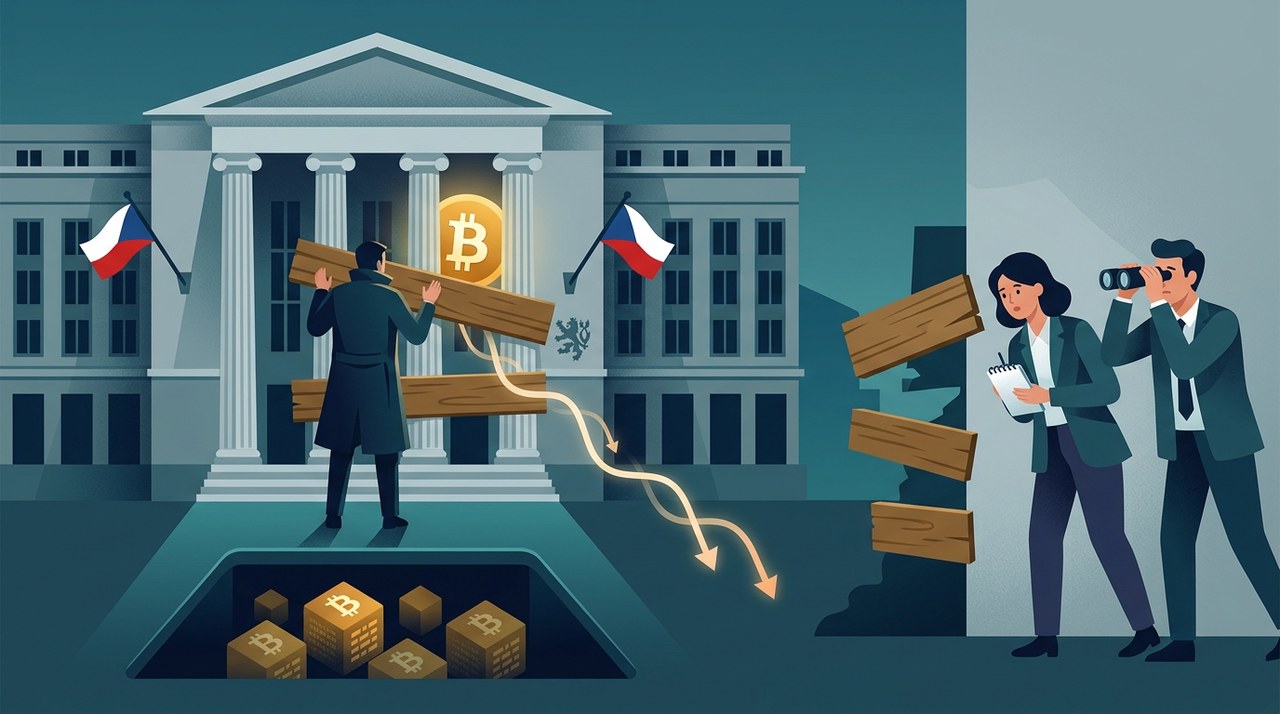

Czech Central Bank Keeps Bitcoin Trial Under Wraps
The Czech National Bank purchased Bitcoin a year ago as an experiment, carrying the asset at cost despite a 40% price drop.
|

Derive Launches Onchain Options for Nvidia, Anthropic, and Oil
Derive has expanded its decentralized finance platform by launching options trading for Nvidia, Anthropic, major stock indices, and crude oil.
|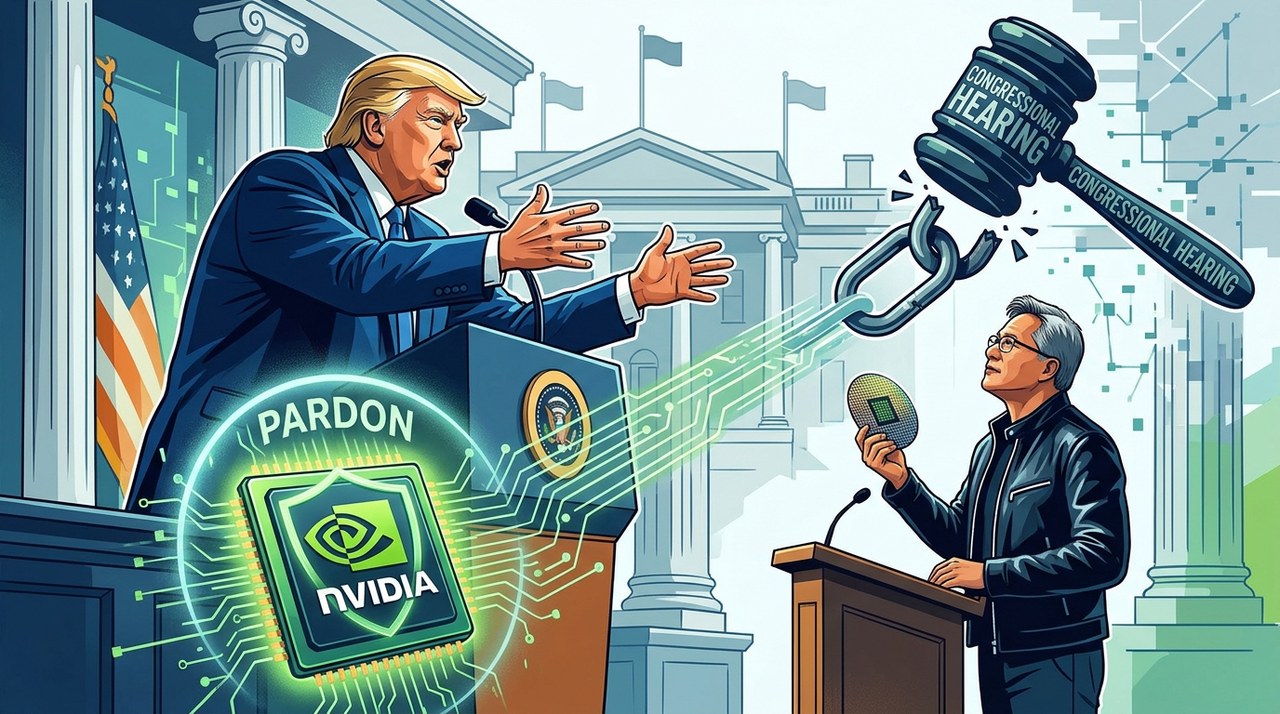
Trump Willing to Pardon Nvidia CEO Jensen Huang If Needed
Donald Trump stated he is willing to grant a presidential pardon to Nvidia CEO Jensen Huang, though he believes it won't be necessary, ahead of Huang's congressional hearing on chip export controls.