


Hyperliquid Burns $1.53M in HYPE Tokens During Price Dip
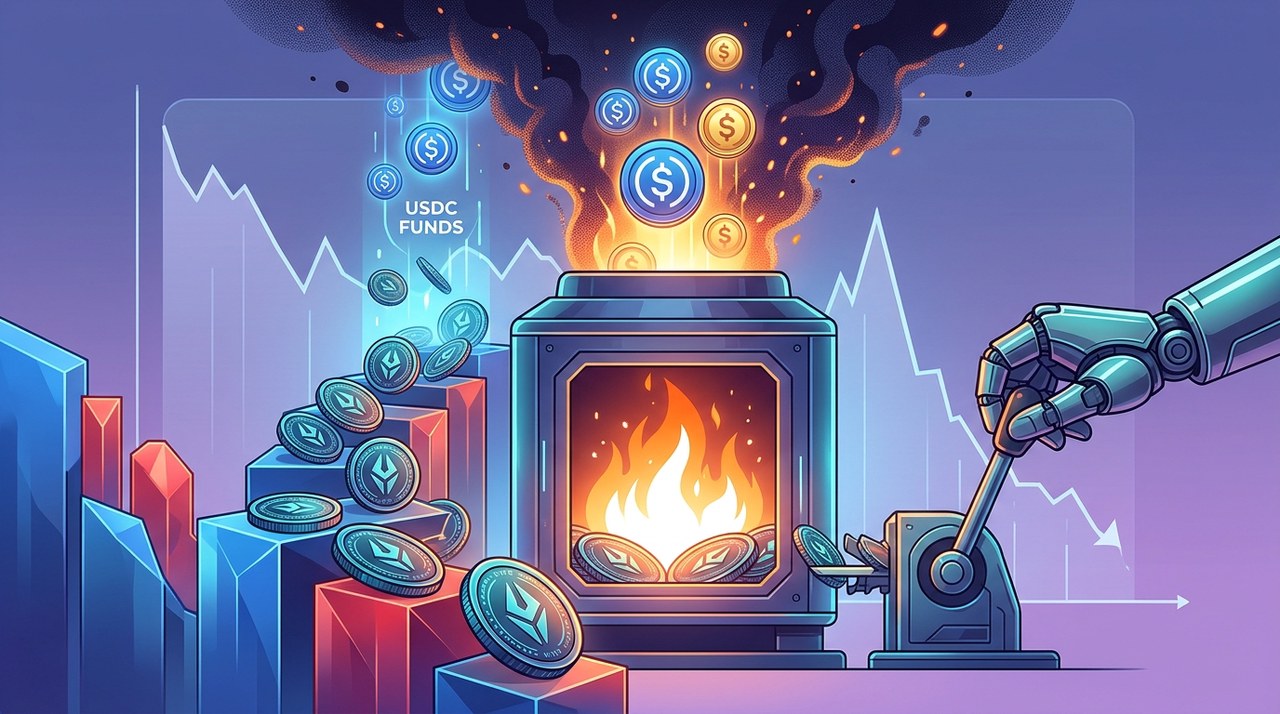
HyperliquidHYPE-1.07% Executes $1.53 Million Token Burn
Decentralized crypto exchange Hyperliquid has bought back and permanently destroyed 21,200 HYPE tokens over a 24-hour period. Data from on-chain analytics platform Onchain Lens shows that the platform spent approximately $1.53 million on this purchase, acquiring the tokens at an average price of $72.31 each.
This massive token buyback happened while the market price of HYPE experienced a downward adjustment. On November 12, 2026, HYPE dropped by 3.45%, bringing its market price down to $69.52 according to data from TradingView. Earlier in autumn 2026, HYPE was trading above $90. Readers should keep in mind that crypto prices can be highly volatile, and short-term market price shifts are common across all digital assets.
Hyperliquid funds its buybacks using US dollar stablecoins (USDCUSDC-0.26%). This structural design creates an interesting dynamic: when the price of HYPE falls, the platform's revenue can buy back a larger number of tokens for the exact same dollar amount.
What Is a Token Burn and Why Does It Matter?
If you are new to crypto, a token burn might sound like a strange concept. Imagine a public company using its corporate profits to buy back its own shares on the stock market and then permanently destroying those share certificates.
When tokens are burned, they are permanently removed from the circulating supply. Because fewer tokens remain in existence, each remaining token represents a slightly larger share of the overall ecosystem.
By sending tokens to an unusable blockchain address, Hyperliquid ensures that those HYPE tokens can never be spent, sold, or returned to circulation.
Milestone Achieved: Over 5% of Total HYPE Supply Gone Forever
The recent 24-hour buyback is part of a much larger, ongoing strategy. Onchain Lens reports that Hyperliquid has now permanently removed 50.47 million HYPE tokens from circulation since the token was first launched.
- Max Supply: 1,000,000,000 (1 billion) HYPE tokens
- Total Burned to Date: 50,470,000 HYPE tokens
- Percentage of Supply Destroyed: 5.05% of maximum supply
- Current Dollar Value of Burned Tokens: Approximately $3.51 billion
Where do these tokens go when they are burned? The vast majority are sent to a dedicated system address starting with 0xfefe...fefe. This address has no private key, meaning no human or computer can ever access funds stored there. In December 2025, Hyperliquid network validators formally voted to recognize all tokens sent to this address as officially destroyed.
Strong Revenue Stream Powers Continuous Token Buybacks
Hyperliquid is able to afford these multi-million-dollar buybacks because the exchange generates significant revenue from trading fees. According to performance tracking data from DeFiLlama, Hyperliquid has accumulated $1.41 billion in total earnings for HYPE holders since late December 2024.
Here is a breakdown of Hyperliquid's recent earnings performance according to DeFiLlama data as of November 12, 2026:
- Past 30 Days Revenue: $68.82 million
- Past 7 Days Revenue: $15.04 million
- Past 24 Hours Fees Collected: Approximately $1.46 million
During that single 24-hour window, the platform collected $1.46 million in fees—just slightly under the $1.53 million it allocated toward buying back HYPE. Remarkably, DeFiLlama data shows that Hyperliquid earned more daily fee revenue than major blockchain networks including EthereumETH+3.64%, TronTRX+0.54%, and Base during this period.
Please note that past performance of digital assets or protocol revenues does not guarantee future results. Investors should evaluate market trends and risk factors before making financial decisions. You can view real-time market data on platforms like Bitkub Market.
How the Assistance Fund and Upgrades Drive Token Destruction
The main engine behind Hyperliquid's buyback system is known as the Assistance Fund. Out of the 50.47 million HYPE tokens burned so far, the Assistance Fund accounts for 48.85 million of them.
Trading Fee Allocation
Every time users trade perpetual futures or spot markets on Hyperliquid, fees are collected. Between 97% and 99% of all trading fees are directed automatically into the Assistance Fund. The remaining 1% to 3% is distributed to the HLP liquidity pool and independent market builders.
The AQAv2 Upgrade Impact
In August 2026, Hyperliquid activated a key network upgrade called AQAv2. Under this upgrade, approximately 90% of the yield generated by USDC reserves held on the platform flows straight into the Assistance Fund. Each of these periodic yield transfers contributes between $14 million and $16 million to the fund, expanding its capacity to buy back HYPE.
Additional Network Burn Channels
While the Assistance Fund performs the vast majority of buybacks, HYPE tokens are also burned directly through network-level activities across the Hyperliquid ecosystem:
- Hyper Core Layer: About 1.24 million HYPE tokens have been destroyed through base-layer transaction fees and validator slashing penalties.
- Hyper EVM Layer: Around 376,060 HYPE tokens have been burned as gas fees on the network's smart contract layer.
Key Takeaways for Crypto Observers
Hyperliquid's systematic burn mechanism effectively aligns platform revenue with token scarcity. By using exchange fees and reserve yields to remove HYPE from circulation permanently, the platform continuously reduces its total available supply.
However, investors should remember that token burns alone do not guarantee price increases. Token valuations depend heavily on broader crypto market liquidity, macroeconomic factors, and trading demand. Always conduct thorough research and evaluate your personal risk tolerance before participating in digital asset markets.
Latest blog posts

XRP Signals 2026 Death Cross: What Does It Mean Next?
XRP has registered its first daily death cross of 2026 following broader market sell-offs, pointing to key support levels and potential recovery paths.
|

Bitcoin Mining Sees Fewer Machine Options as AI Boom Grows
Sluggish Bitcoin prices and a surging AI industry led several hardware makers to pause or reduce rig sales in 2026.
|
State Leaders Challenge Federal Control Over Prediction Markets
A bipartisan coalition of 44 state attorneys general is opposing CFTC rules that reclassify sports and election prediction markets as financial swaps.