


How to Swap DOGE, LTC, and BCH Without Centralized Exchanges
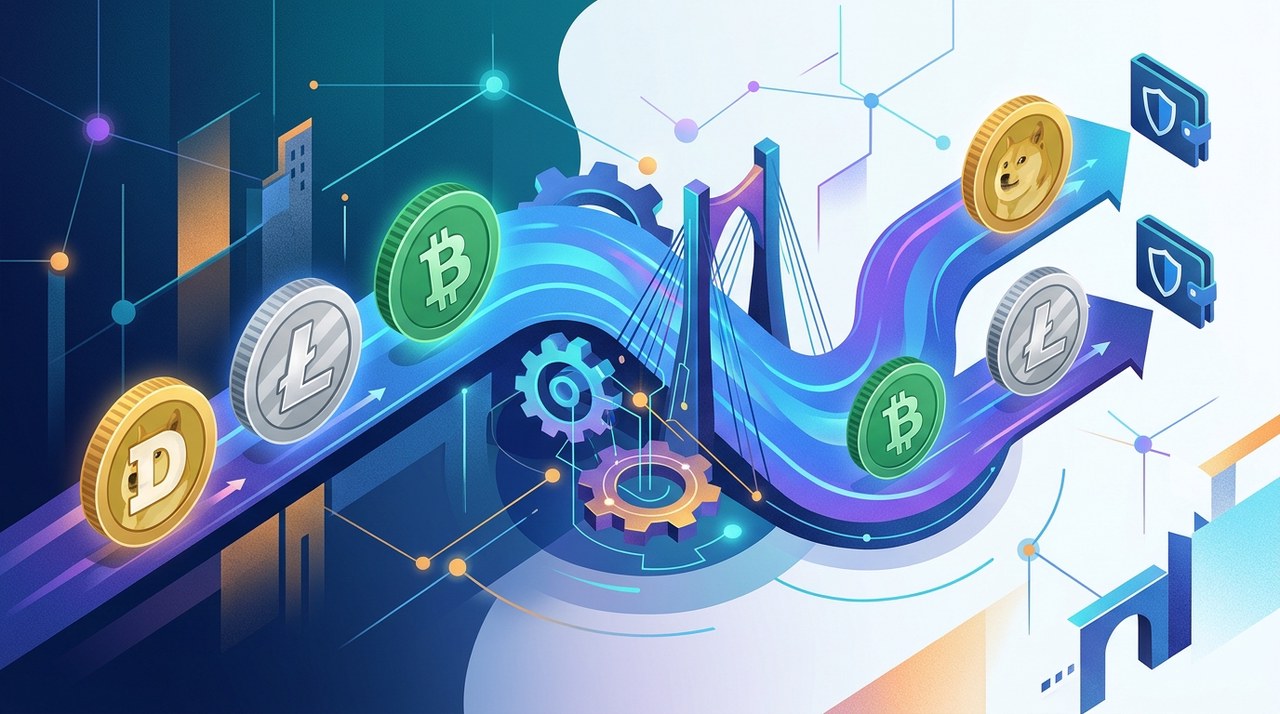
Introduction to Decentralized Swaps
Do you hold Dogecoin (DOGEDOGE+0.07%), Litecoin (LTC), or Bitcoin Cash (BCHBCH-0.03%)? If you want to trade them, you might think your only option is to send them to a centralized exchange.
The good news is that you can swap these native assets directly from your self-custody wallet. You do not need to open an account, complete identity verification, or convert your coins into wrapped tokens.
While most decentralized exchanges (DEXs) cannot touch these coins, cross-chain protocols like THORChain make direct swaps possible. Before diving into the step-by-step process, it is helpful to understand how this mechanism works and what trade-offs to keep in mind.
Why DOGE, LTC, and BCH Are Hard to Swap on Traditional DEXs
To understand why native swaps were historically difficult for these assets, we need to look at their underlying blockchain design.
Dogecoin, Litecoin, and Bitcoin Cash are built on the UTXO (Unspent Transaction Output) model. This architecture comes directly from Bitcoin's original design.
These networks are specifically engineered for simple, peer-to-peer payments. They do not run native smart contracts.
Popular decentralized exchanges like Uniswap live on smart-contract blockchains like EthereumETH+0.03%. Because DOGE, LTC, and BCH lack native smart-contract functionality, standard DEX applications cannot be deployed directly on their networks.
This technical setup left traders with two main options, both carrying notable trade-offs:
- Centralized Exchanges (CEXs): You can trade native assets, but you must deposit funds with the exchange first, forfeiting direct custody of your private keys.
- Wrapped Assets on Smart-Contract DEXs: You can trade synthetic versions (like wrapped DOGE) on Ethereum or BNBBNB-0.56% Chain. However, you must first lock your real assets with a bridge or custodian to mint the wrapped token.
A decentralized cross-chain protocol removes these friction points. It holds native liquidity on each coin's own blockchain. This allows you to send real DOGE from your wallet and receive real BTCBTC+0.28% in return.
Comparing Options for Swapping Native Assets
Different trading venues offer varying degrees of control, security, and convenience. Here is how the available swap options compare:
- Centralized Exchanges: Support native DOGE, LTC, and BCH after deposit. Trade-offs include mandatory user accounts, identity checks (KYC), and custodial control over your funds.
- THORChain: Supports native DOGE, LTC, and BCH directly from self-custody wallets. Trade-offs include temporary reliance on validator vaults while a swap processes, as well as price impact on larger trades.
- Intent-based Networks (e.g., NEAR Intents): Support native assets through bridging infrastructure. Trade-offs depend heavily on the specific trust model of the underlying bridge.
- Smart-Contract DEXs (Ethereum/EVM): Do not support native assets directly. You can only trade wrapped or pegged versions of these coins.
- Other Cross-Chain DEXs (e.g., Chainflip): Handle native Bitcoin (BTC) swaps, but currently do not list Dogecoin, Litecoin, or Bitcoin Cash.
Because other native cross-chain protocols lack support for these assets, THORChain is typically the primary destination for swapping real DOGE, LTC, and BCH.
How THORChain Handles Native Asset Swaps
Understanding what happens behind the scenes helps you trade with clarity and peace of mind.
THORChain maintains liquidity pools for each supported blockchain asset. Each pool pairs the native coin with RUNE, which serves as the protocol's internal settlement token.
When you request a swap from DOGE to BTC, the transaction automatically routes through two liquidity pools: DOGE converts to RUNE in the DOGE pool, and that RUNE converts to BTC in the BTC pool.
From a user perspective, this occurs in one seamless operation. You never need to purchase, hold, or manage RUNE yourself.
Vault Security and Network Validators
Instead of relying on a centralized company, THORChain uses independent network validators known as THORNodes.
THORNodes jointly manage vault addresses on each supported blockchain using threshold signature schemes (TSS). This multi-party key structure ensures that no single entity can control or steal funds.
To maintain honest behavior, validators bond RUNE as financial collateral. If a node operator acts maliciously, their bonded collateral is slashed.
The node network monitors incoming deposits on the Dogecoin, Litecoin, or Bitcoin Cash blockchains, calculates the swap, and sends the output asset to your target wallet.
Step-by-Step Guide: How to Swap DOGE, LTC, or BCH
Swapping your coins without a central exchange follows a straightforward process:
- Open a trusted web interface: Visit an official THORChain swap application or open a self-custody wallet that integrates the protocol. Type the URL directly or use a bookmark to avoid phishing sites.
- Connect your wallet or select walletless deposit: Link a crypto wallet containing your DOGE, LTC, or BCH. Alternatively, select the walletless option, which generates a unique deposit address for your transaction.
- Choose your trading pair and enter destination address: Select the asset you want to trade (e.g., LTC) and the asset you want to receive (e.g., BTC). Paste a receiving address that you directly control.
- Review the trade quote: Verify the estimated payout amount, network transaction fees, protocol fees, and expected completion time.
- Send funds and await payout: Broadcast the deposit from your wallet. The protocol processes your trade as soon as your deposit achieves sufficient network confirmations.
Important Factors to Keep in Mind
Before executing a cross-chain swap, consider these operational factors to ensure your transfer goes smoothly:
1. Address Formats
Each crypto network uses specific address formatting rules. Sending assets to an incorrect address format can lead to stuck or lost funds.
Bitcoin Cash requires extra attention because it uses both a modern CashAddr format (prefixed with bitcoincash:) and a legacy format that looks similar to standard Bitcoin addresses. Always verify that your destination address matches the asset format expected by your wallet.
2. Network Confirmation Times
Block generation speeds vary across different blockchains:
- Dogecoin: Generates a block roughly every 1 minute.
- Litecoin: Generates a block roughly every 2.5 minutes.
- Bitcoin Cash: Generates a block roughly every 10 minutes.
Because cross-chain protocols wait for block confirmations before executing trades, total swap duration depends on which network you send from and the size of your deposit.
3. Dual Network Fees
Cross-chain swaps incur transaction fees on both participating blockchains.
You pay an inbound gas fee on the source network to transfer funds to the vault. An outbound network fee is then deducted from your payout to cover delivery on the target chain.
For small swap amounts into networks with higher base fees (such as Bitcoin or Ethereum), the outbound network fee can represent a noticeable percentage of your transaction.
4. Managing Price Impact on Large Trades
Trading large amounts relative to available pool liquidity causes price impact, leading to higher slippage.
If you plan to execute a larger order, check whether your interface supports streaming swaps. Streaming swaps automatically split big trades into smaller sub-swaps executed gradually over time to minimize slippage.
Understanding Risks and Safety Precautions
Swapping via a DEX eliminates centralized exchange risk, protecting you from exchange insolvencies or account freezes. However, decentralized swaps carry their own technical risks.
While your swap processes, your coins temporarily reside within protocol vaults. You rely on smart-contract code execution and node validator honesty during this operational window.
Trading can also be temporarily paused during blockchain upgrades, emergency maintenance, or network incidents. This can delay payouts or trigger automated refunds.
If a swap fails to complete—such as when price movements push slippage past your set limit—the protocol refunds your original funds back to your sending address, minus outbound network fees.
Safety Tip: If you are new to cross-chain protocols, consider executing a small test swap first to get familiar with the process before handling larger amounts.
Frequently Asked Questions
Can I swap Dogecoin on a decentralized exchange?
Yes, but only on cross-chain DEXs that natively support the Dogecoin network, such as THORChain. Standard Ethereum DEXs can only trade wrapped versions of Dogecoin.
How do I swap Litecoin for Bitcoin without an exchange account?
You can use a cross-chain decentralized exchange like THORChain. You send native LTC from your self-custody wallet and receive native BTC directly at your Bitcoin address, without needing an account.
Can I swap Bitcoin Cash for Ethereum without wrapping it?
Yes. THORChain allows direct swaps between native BCH and native ETH without relying on custodians or wrapped token contracts.
Do I need RUNE to swap DOGE, LTC, or BCH?
No. RUNE functions purely as the background settlement asset in liquidity pools. You can trade directly between supported coins without buying or holding RUNE.
How long does a DOGE, LTC, or BCH swap take?
Total time depends on the source blockchain's confirmation speed and deposit size. Dogecoin and Litecoin deposits usually achieve full confirmation faster than Bitcoin Cash deposits.
Latest blog posts
Bitcoin Rebounds to $61K: 4 Technical Signals to Watch
Bitcoin recovered toward $61,000 after hitting $55,000 on Friday. Here is a breakdown of four technical chart signals and key price levels.
|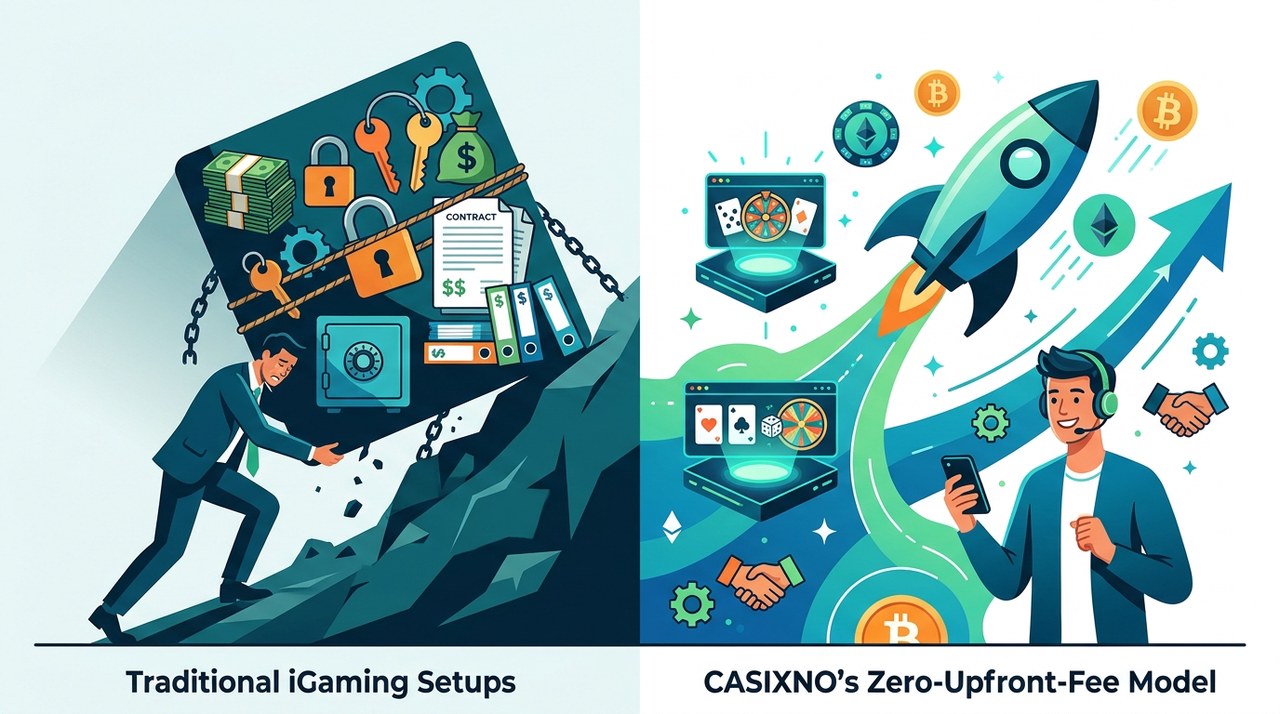

CASIXNO Launches Zero-Upfront-Fee Crypto Casino Platform
CASIXNO introduces a revenue-share model for creators and publishers to launch branded crypto casino websites without upfront setup or monthly fees.
|

Algorand Price Prediction: Will ALGO Target $0.50?
Algorand shows positive momentum while upgrading post-quantum security. Here is an overview of key price levels and long-term ALGO scenarios through 2030 and beyond.
|