Hong Kong Confirms End-2026 Target for Crypto Licensing

Hong Kong Sets Clear Timeline for Crypto Licensing
Hong Kong regulators have reaffirmed their commitment to launch a comprehensive crypto licensing framework by the end of 2026.
Officials are working to build a complete legal system for the market. This upcoming framework will cover four major categories of digital asset services.
The objective is clear. Hong Kong wants to cement its position as a leading digital asset hub in Asia while keeping investor protection at the center.
The Four Business Categories Covered Under the New Bill
The proposed legislation targets key pillars of the digital finance ecosystem. Under the new rules, businesses operating in four core areas will need to obtain official licenses.
1. Digital Asset Trading
Trading platforms are the primary gateway for retail and institutional investors. This category covers centralized exchanges and trading platform operators.
Platforms serving Hong Kong clients will need to follow strict operational rules. These guidelines focus on user asset protection, fair trading practices, and anti-money laundering checks.
2. Digital Asset Custody
Custody services act as the secure vaults of the crypto industry. They store and protect private keys and client assets.
Under the new framework, custodians will face high security and capital standards. Regulators want to ensure user funds remain safe from hacks or operational mismanagement.
3. Digital Asset Advisory Services
Crypto advisors offer market analysis, investment advice, and guidance to clients navigating the digital asset space.
Financial advisors will require formal licensing before offering advice on tokens or crypto products. This step aims to set professional standards and protect clients from bad advice.
4. Digital Asset Management Services
Asset managers handle crypto portfolios and create funds for investors.
The incoming regime requires fund managers to follow clear risk management and reporting standards. This ensures that funds operate with full transparency.
Why Setting an End-2026 Target Matters
Establishing a clear deadline gives businesses predictability. Crypto companies need sufficient time to adjust their compliance systems and secure capital.
A defined timeline also helps regulators prepare. Government agencies require time to set up administrative workflows to process licensing applications efficiently.
By targeting late 2026, regulators aim to give the market adequate preparation time. This structured approach helps prevent market disruption while raising safety standards.
Building a Complete Regulatory Web
Hong Kong has steadily expanded its regulatory framework for digital assets over recent years.
The city introduced a virtual asset trading platform framework in mid-2023. Authorities have also been working on legal regimes for over-the-counter (OTC) trading and stablecoin issuers.
Adding trading, custody, advisory, and management services creates a full regulatory umbrella. Every key touchpoint in the local market will fall under defined legal boundaries.
What This Means for Market Participants
For individual investors, comprehensive oversight provides clearer protections. Strong regulatory rules help reduce risks related to fraud and platform insolvencies.
For institutional investors, legal clarity offers confidence. Large financial institutions usually require clear regulatory boundaries before allocating capital into new asset classes.
On the other hand, compliance obligations will raise operating costs. Smaller startups may need additional resources to meet high legal, security, and auditing demands.
Looking Ahead to 2026
Hong Kong is doubling down on its vision to become a major regulated crypto hub. The commitment to the 2026 target reinforces this strategic direction.
As regulators finalize the draft details, market participants will get a clearer view of specific compliance expectations. The global crypto industry will monitor these regulatory developments closely.
Latest blog posts
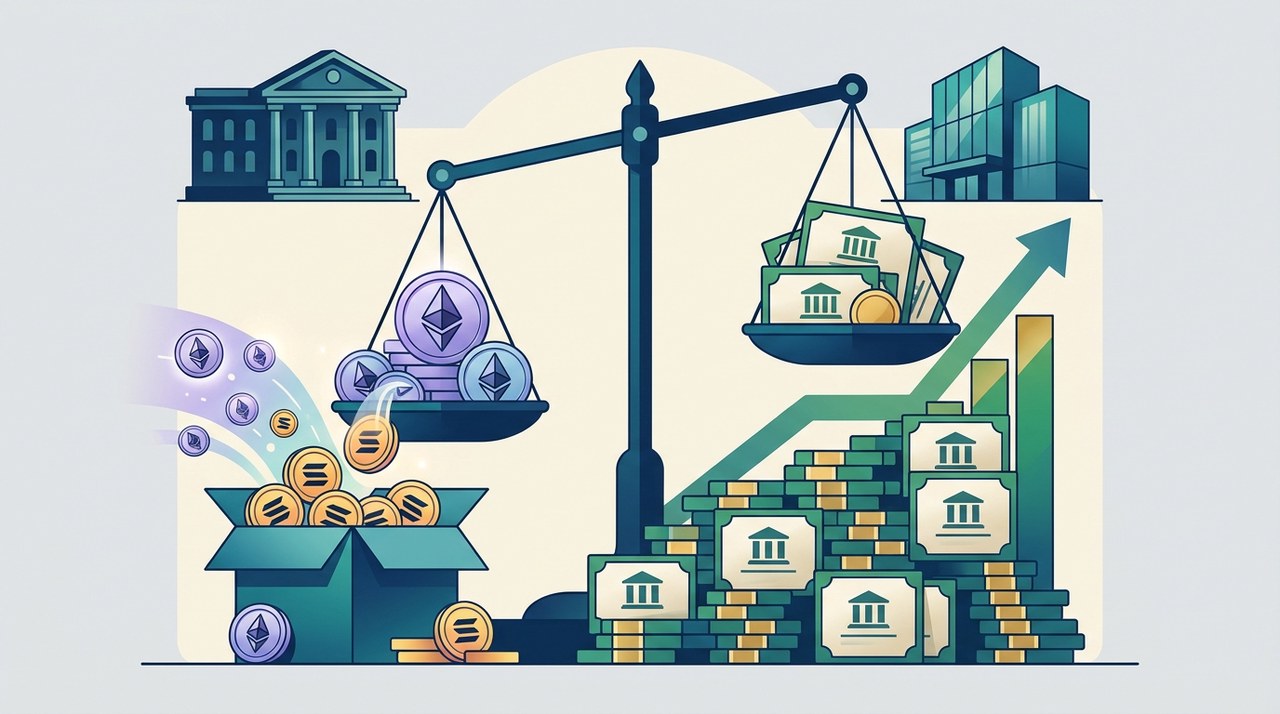


CoinShares Sells Entire Ethereum Treasury to Buy Stock
Europe's largest digital asset manager CoinShares sold all its Ethereum and half its Solana treasury positions, raising $19.3 million for stock buybacks.
|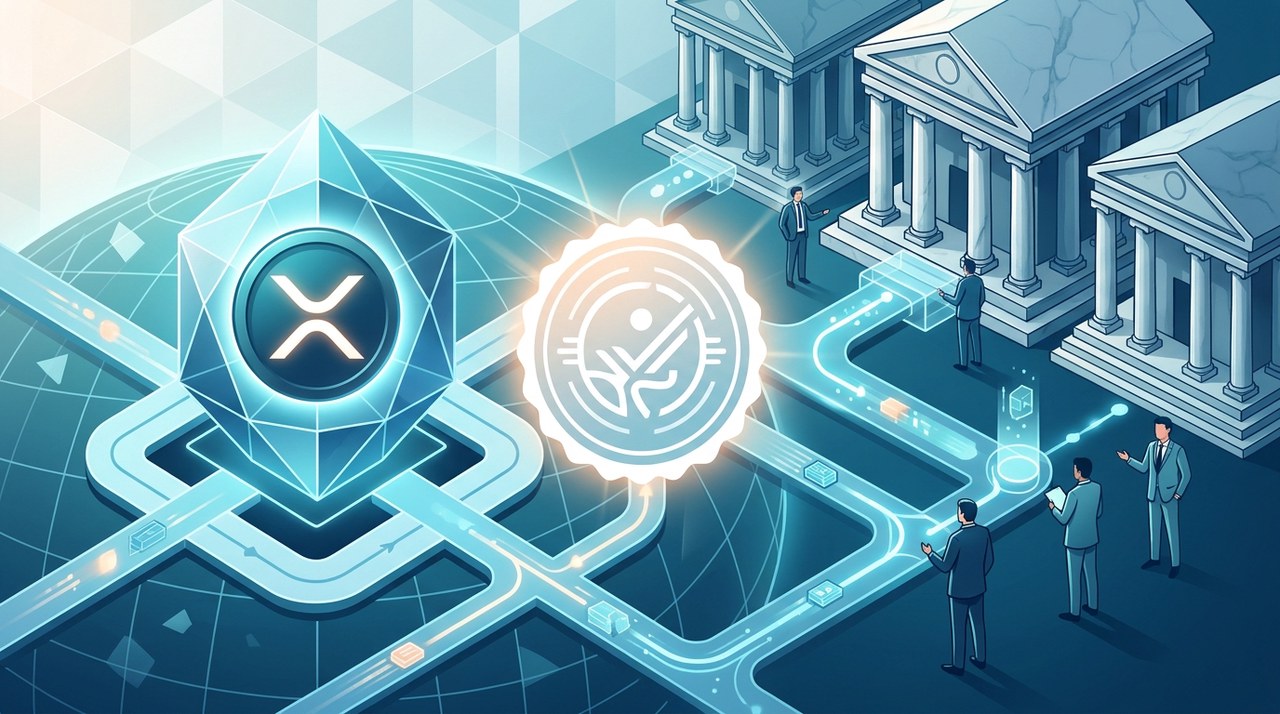


XRP Ledger Achieves First Global Banking Standard Verification
XRP Ledger has become the first public network to have key architectural standards independently verified under the Global Layer One initiative.
|

Nvidia Reports $115.8B Revenue Amid Ransomware Rumors
Nvidia posted $115.8 billion in Q3 revenue, up 103% year-over-year, as unconfirmed ransomware claims from a hacker group surfaced online.
|