HKMA Launches Tokenized Debt Platform with 24-Hour Settlement
Hong Kong Takes a Major Step into Digital Debt
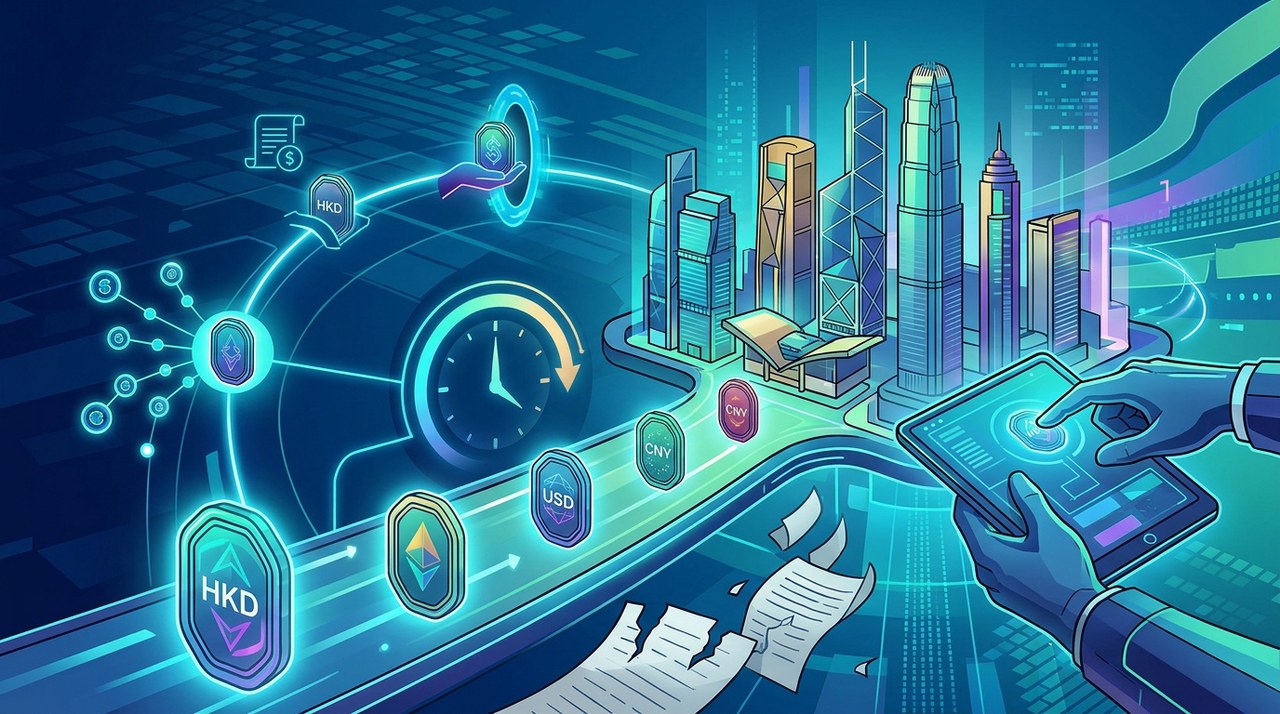
The Hong Kong Monetary Authority (HKMA) has introduced a brand-new tokenized debt platform designed to modernize traditional bond markets. This innovative platform enables 24-hour settlement across multiple currencies. It handles the complete lifecycle of debt securities, from initial issuance to ongoing interest payments and final maturity redemption.
Financial technology is evolving rapidly, yet traditional bond markets often rely on legacy clearing systems. In standard financial markets, settling a debt security can take several business days. The HKMA's new platform leverages blockchain technology to streamline these processes into a faster, more transparent digital framework.
Understanding Tokenized Debt in Simple Terms
Before diving into the platform features, it helps to understand what tokenized debt actually means. Imagine a traditional paper bond certificate converted into a digital token on a secure blockchain network. Each token represents ownership or a direct share of the underlying debt instrument.
When a government or corporation wants to raise capital, it issues bonds. Tokenization allows these bonds to be split into smaller digital units. Investors can buy, hold, and transfer these tokens electronically with automated rules embedded directly into the system.
Key Features of the HKMA Tokenized Debt Platform
The newly launched platform introduces several key capabilities aimed at improving market efficiency for institutional participants.
1. 24-Hour Settlement Capabilities
Traditional bond trading relies on financial intermediaries that usually settle trades on a T+2 or T+1 schedule (meaning one or two business days after the trade occurs). The HKMA platform reduces settlement time down to a 24-hour cycle or near real-time execution.
Faster settlement significantly reduces counterparty risk. Market participants do not have to wait days wondering if a transaction will settle cleanly during periods of market volatility.
2. Multi-Currency Support
Global capital markets operate across many different fiat currencies. To serve international issuers and investors, the HKMA platform natively supports multi-currency settlement.
Participants can issue and settle debt transactions in major global currencies without needing separate standalone infrastructures for each foreign currency. This flexibility makes cross-border capital management much simpler.
3. Automated Bond Lifecycle Management
Managing a bond issue requires multiple administrative actions across its lifespan. The HKMA platform automates every stage through programmable smart contract logic:
- Issuance: Creating digital debt tokens and distributing them to verified investor wallets.
- Interest Payments: Automating coupon payouts directly to token holders on scheduled distribution dates.
- Repayment at Maturity: Returning the principal investment back to holders automatically when the debt term expires.
Why Bond Markets Are Shifting to Blockchain
Traditional bond issuance involves extensive paperwork, manual reconciliation between banks, and multiple intermediary fees. These factors increase operational risks and transaction costs.
By moving bond lifecycle management onto a digital ledger platform, financial institutions can eliminate unnecessary paperwork, lower operational expenses, and maintain an immutable record of token ownership.
Hong Kong's Strategic Role in Digital Assets
Hong Kong has established a clear regulatory framework to foster innovation in Web3 and real-world asset (RWA) tokenization. The HKMA has previously conducted pilot projects involving tokenized green bonds and wholesale central bank digital currencies (wCBDC).
This operational platform demonstrates how central monetary authorities can integrate distributed ledger technology while maintaining rigorous compliance and risk controls.
Market Scenario and Associated Risks
Institutional interest in tokenized real-world assets is growing worldwide. Under a positive growth scenario where global regulatory clarity improves and financial institutions expand digital adoption, tokenized bond markets could see substantial capital inflows over the next several years.
Conversely, under a restrictive market scenario with regulatory hurdles or macroeconomic headwinds, adoption rates could slow down, leading to lower trading volumes in early-stage digital bond platforms.
Market participants must also keep key risk factors in mind:
- Regulatory Risk: Evolving cross-border financial laws may alter how international digital bonds are settled.
- Technical Risk: Smart contract systems require ongoing security audits to prevent technical glitches or vulnerabilities.
- Liquidity Risk: Emerging tokenized debt markets may initially experience lower secondary market liquidity compared to established conventional bond markets.
Historical market performance of digital assets or previous bond issuances does not guarantee future financial performance or market liquidity. To monitor real-time digital asset trends, investors can reference resources such as Bitkub Market.
Conclusion
The launch of the HKMA multi-currency tokenized debt platform represents a practical step toward modernizing financial infrastructure. By enabling 24-hour settlement and fully automated lifecycle management, Hong Kong continues to build a transparent foundation for the future of capital markets.
Latest blog posts
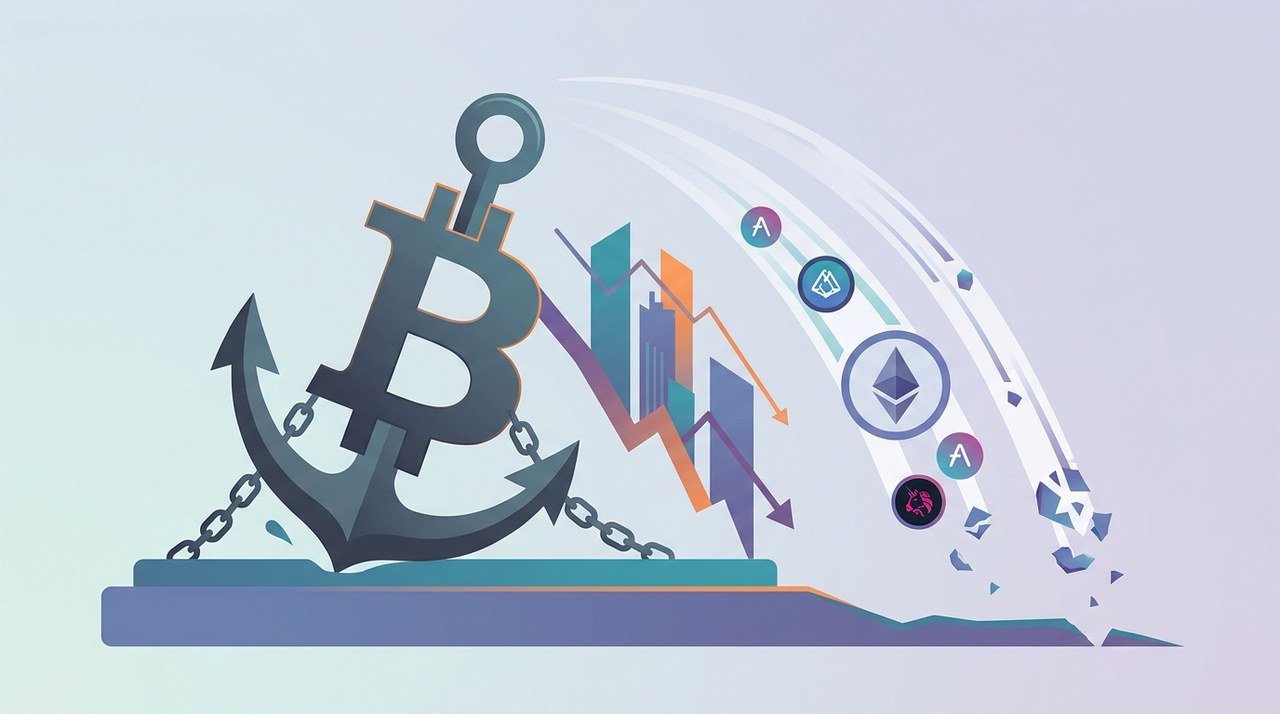


Ether and DeFi Tokens Fall Twice as Hard as Bitcoin
Bitcoin dropped 1.2% as traditional stock markets resumed selling off, with Ether and DeFi tokens experiencing double the decline.
|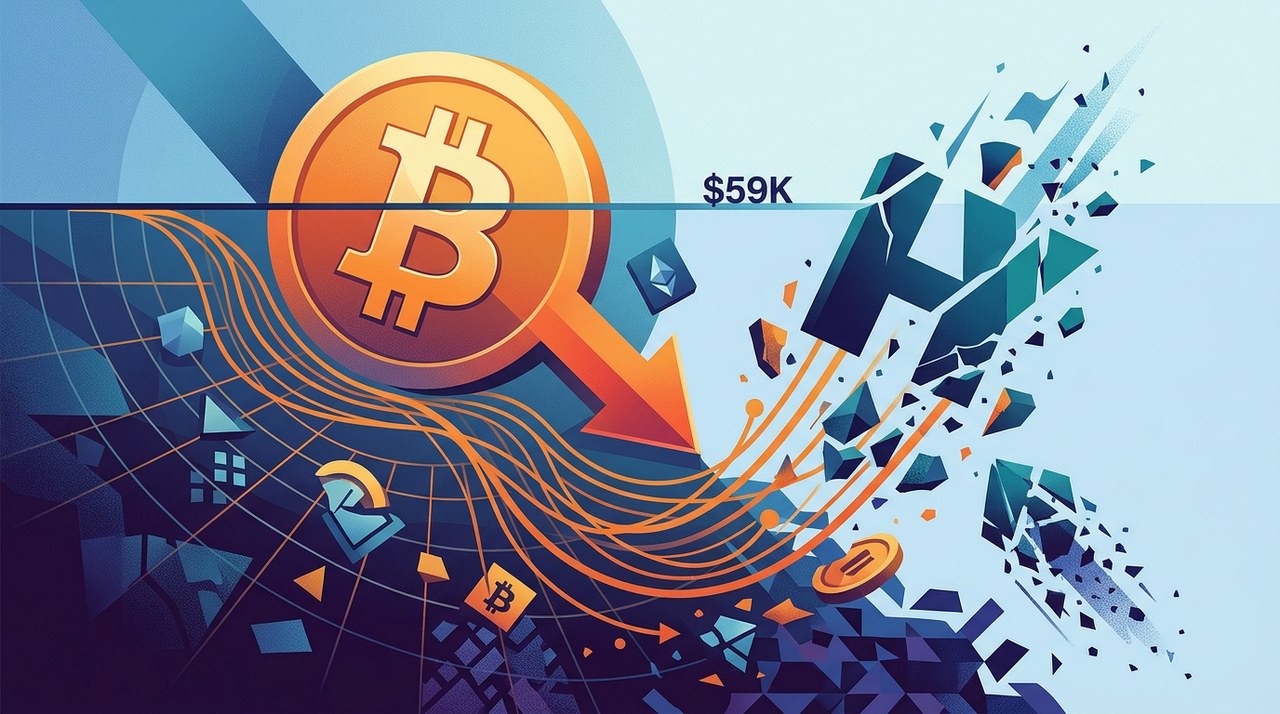

Hyperliquid Leads Altcoin Drop as Bitcoin Slips Below $59K
Bitcoin has dipped below $59,000, triggering a broader altcoin pullback led by Hyperliquid (HYPE) while prediction markets gauge recovery odds.
|

Ripple Partners With Turkish Private Bank Yapı Kredi
Yapı Kredi has integrated Ripple Custody on-premises to secure digital assets for its trading platform, Yapı Kredi Kripto.
|