
HIVE and MARA Mine More Bitcoin as Revenues Fall
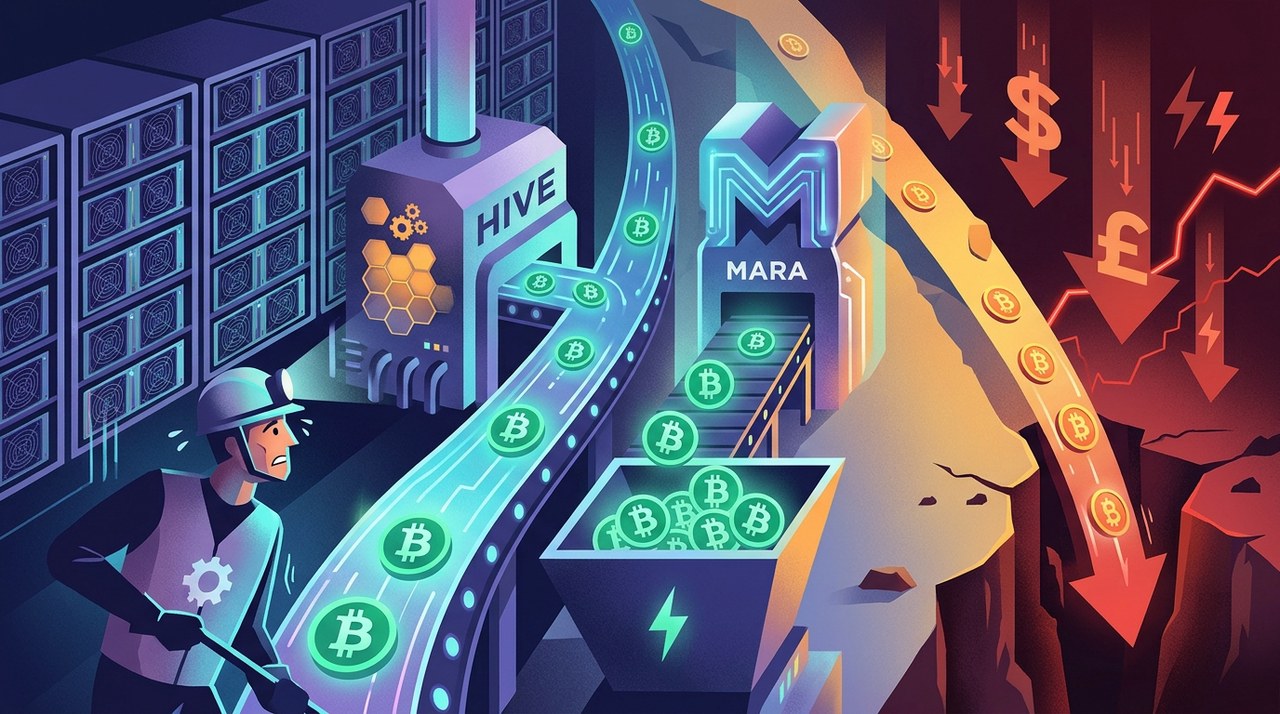
Higher BitcoinBTC-0.92% Output Meets Falling Revenues
Two major public Bitcoin mining companies, HIVE Digital Technologies and Marathon Digital Holdings (MARA), recently shared their latest operational updates. The reports revealed an interesting dynamic: both companies mined more Bitcoin than before, yet earned lower revenues.
This situation highlights the tough market conditions crypto miners face today. Even as companies produce more digital assets, falling market prices and rising power costs squeeze their profit margins.
Why More Bitcoin Didn't Mean More Revenue
It might sound confusing at first. How can a business produce more of its product but make less money overall? The answer comes down to market prices and operating costs.
The Impact of Crypto Market Prices
Bitcoin mining revenue is tied directly to the market price of Bitcoin. When prices drop, the cash value of mined coins decreases. Even if a miner boosts output by a notable amount, a drop in market value can still pull total revenue down.
Producing more coins does not guarantee higher revenues when market prices face downward pressure.
Rising Electricity and Power Expenses
Running thousands of specialized mining computers requires massive amounts of electricity. Both HIVE and MARA reported higher energy expenses during the latest period.
Power costs are one of the biggest ongoing expenses for any crypto mining firm. Higher utility rates combined with running more machines naturally increase total operating costs.
Expanding into AI and High-Performance Computing
To reduce their reliance on cryptocurrency prices alone, both HIVE and MARA are expanding their business into Artificial Intelligence (AI) and High-Performance Computing (HPC) infrastructure.
Building out AI data centers requires heavy upfront investment. Companies must acquire expensive hardware and upgrade facility power capacity to support intense computing workloads.
- Diversification: AI infrastructure provides potential revenue streams independent of crypto market cycles.
- Upfront Expenses: Installing specialized GPUs and upgrading facilities increases short-term capital expenditures.
- Power Demands: Running AI workloads requires consistent and expanded electrical power supply.
What This Means for the Mining Sector
The operational results from HIVE and MARA reflect a broader trend across the institutional mining sector. Companies are working to balance traditional crypto mining with new technological ventures.
Managing energy efficiency while building out new infrastructure remains key for long-term sustainability. However, ongoing market volatility continues to affect short-term revenue performance.
Past performance of digital assets or mining operations is not an indication of future results. To check current market conditions, you can view live asset prices on trading platforms such as Bitkub.
Looking Ahead: Operational Scenarios
The future trajectory of mining revenues depends on market conditions and business execution.
If Bitcoin prices recover and AI operations begin generating steady income, mining revenues could rebound. On the other hand, if crypto prices remain low or energy costs continue rising, mining margins may face continued pressure.
Latest blog posts
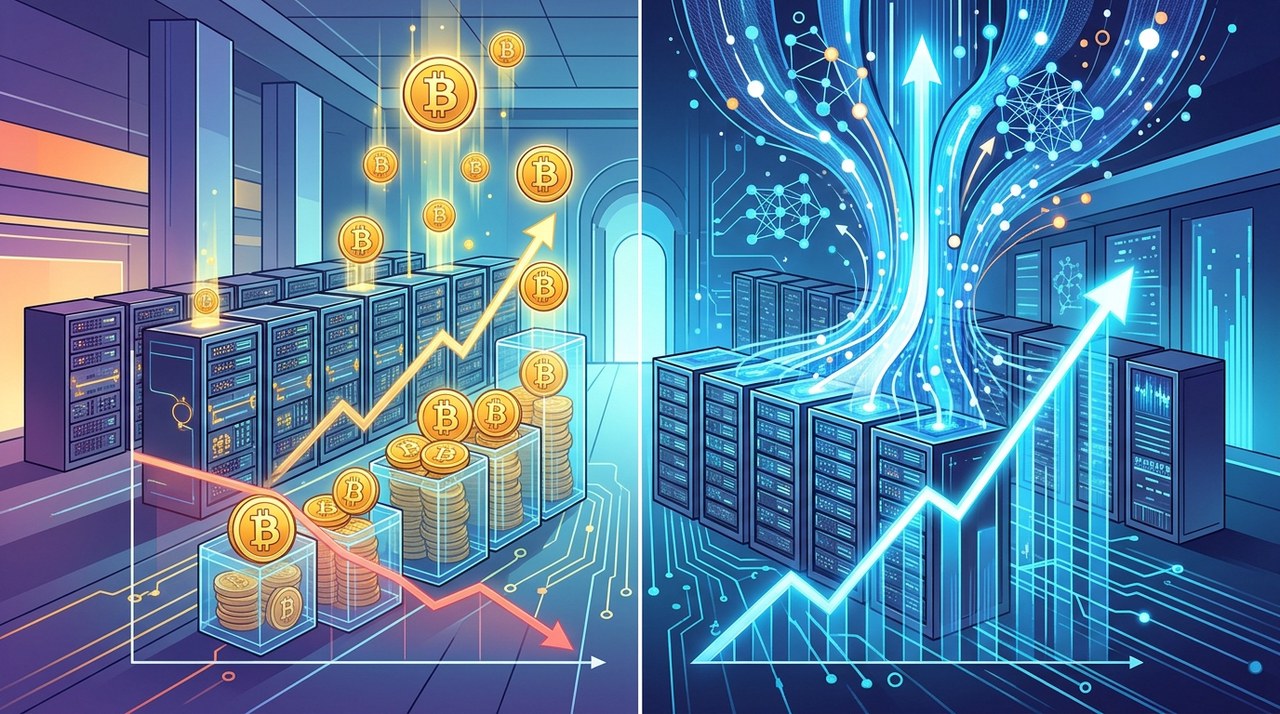
HIVE Bitcoin Mining Up 49% as AI Revenue Surges 71%
HIVE Digital Technologies reported a 49% jump in Bitcoin output, but mining revenue dropped 7.4%. Meanwhile, its AI hosting business surged 71%.
|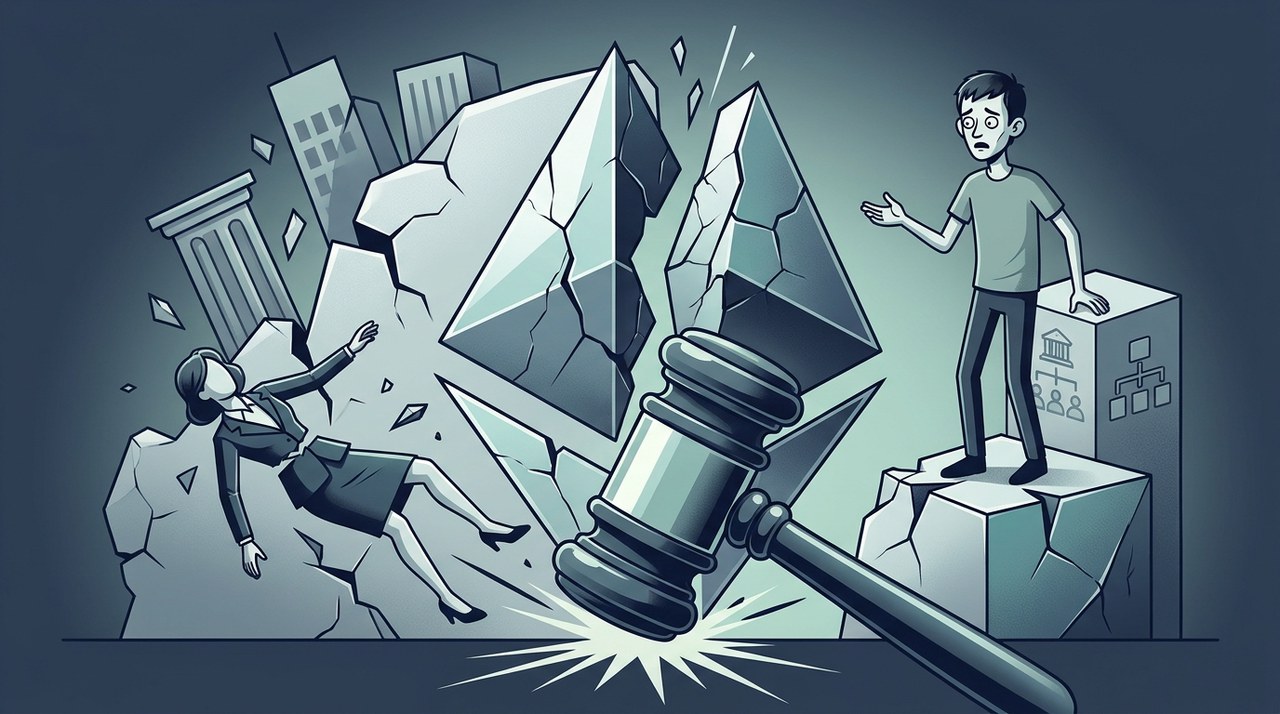

Ethereum Foundation and Vitalik Buterin Face Federal Lawsuit
Former Ethereum Foundation lead Kayleen Fulton has filed a federal lawsuit alleging wrongful termination and discrimination following internal employee protests.
|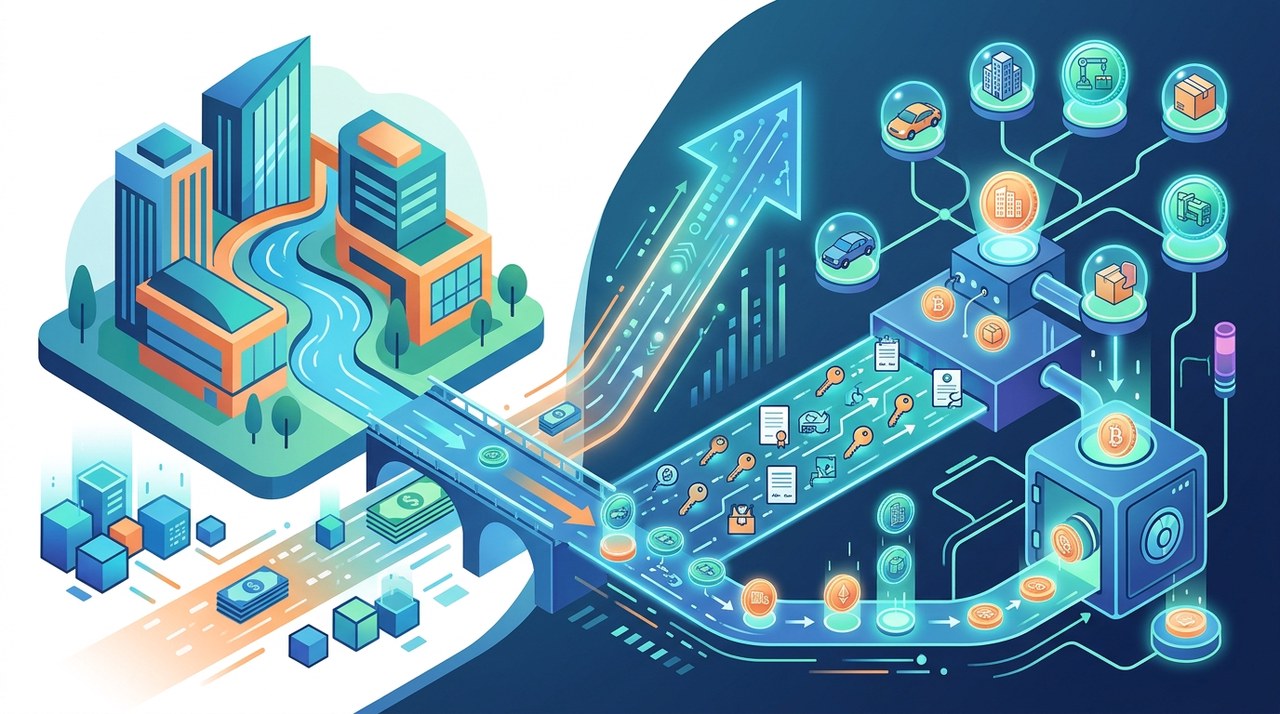
Securitize Acquires River One in Big $6T Market Expansion
Securitize announced its acquisition of River One and a $50M stock buyback as quarterly revenue rose 13%, pushing SECZ shares up 10% after hours.