
Hackers Breach CIA Network in Latest US Cyber Incident
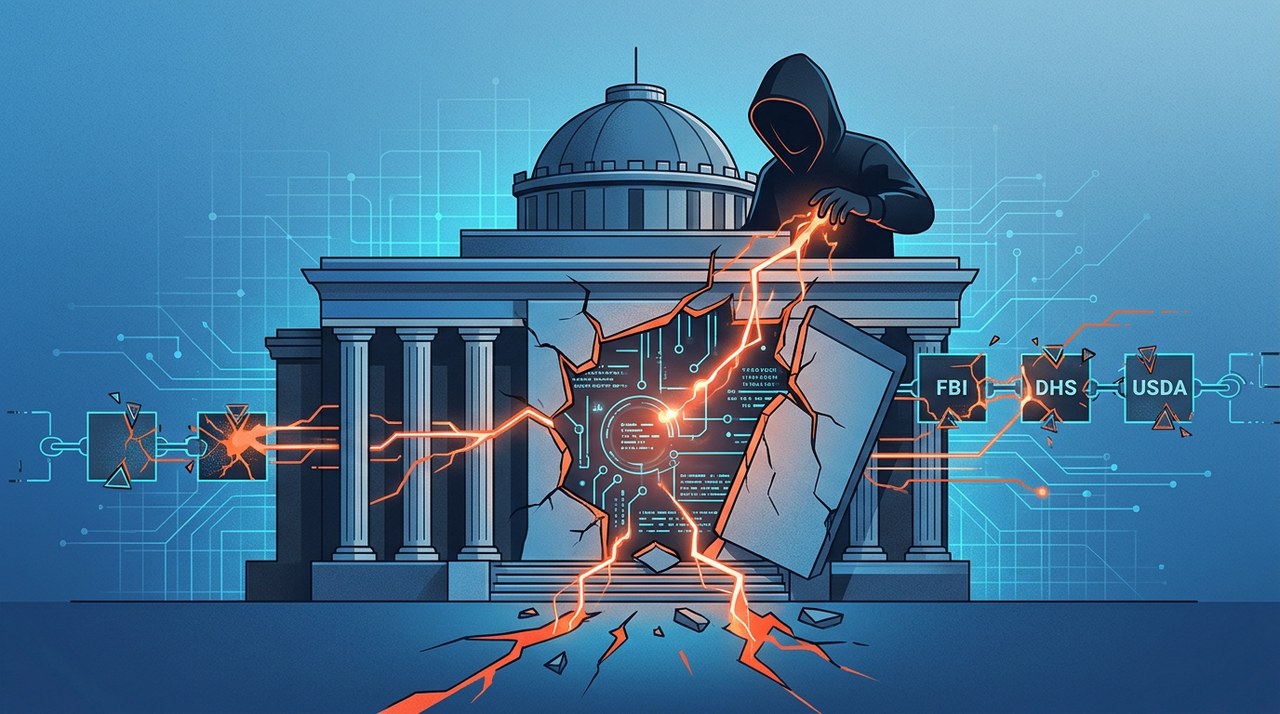
Hackers Target US Intelligence Infrastructure
Cybersecurity vulnerabilities have hit the highest levels of the United States intelligence community. The Central Intelligence Agency (CIA) recently experienced a security breach within its intelligence network.
This incident marks another major event in a series of security challenges facing government infrastructure. It highlights how digital systems remain exposed to unauthorized access, even inside top-tier intelligence agencies.
A Pattern of Government CyberCYBER-5.65% Breaches
The reported breach at the CIA does not stand alone. Over recent months, several federal agencies in the United States have dealt with security intrusions.
- Federal Bureau of Investigation (FBI): Previously targeted by cyber incidents affecting law enforcement communications and database systems.
- Department of Homeland Security (DHS): Faced security threats aimed at infrastructure responsible for national security monitoring.
- Department of Agriculture (USDA): Experienced system disruptions, demonstrating that non-military government services are also vulnerable to digital attacks.
Together, these attacks show that modern cyber adversaries are actively searching for weaknesses across both defense and civilian federal infrastructure.
Why Centralized Network Breaches Matter to Crypto
When centralized networks fail, it reminds us why decentralization was invented in the first place. Centralized databases act like giant honey pots. Hackers only need to break one lock to steal millions of confidential records.
In contrast, Web3 protocols use cryptographic verification and distributed networks. Rather than storing sensitive credentials on a central server, decentralized networks split control across multiple nodes. This structure makes broad network compromises far more difficult.
The Role of Decentralized Identity and Tokens Like CYBER
As major breaches become more frequent, interest in decentralized identity protocols continues to grow. One example in the blockchain space is CyberConnect and its native utility token, CYBER.
Decentralized identity networks allow users to own their digital identities and personal data. Instead of relying on central authorities that can be hacked, users control their credentials through cryptographic keys.
However, decentralized technology is not a magic solution. While blockchain networks offer strong data integrity, smart contracts can still suffer from coding bugs or exploits. Securing decentralized applications requires constant auditing and careful protocol design.
Market Context and Investor Considerations
Major cybersecurity news often impacts global market sentiment. Broad system breaches can create temporary market uncertainty across traditional financial markets and digital asset ecosystems alike.
For Web3 tokens in the security and identity sector, like CYBER, market performance depends on several factors:
- Market Adoption: If demand for decentralized identity solutions increases due to privacy concerns, protocols providing these services may see higher usage.
- Security Risks: Protocol-level exploits or broader crypto market downswings can push token valuations lower regardless of news headlines.
- Regulatory Environment: Government responses to cyber breaches could lead to stricter regulations on encrypted data and digital asset compliance.
Past performance of digital assets is not a guarantee of future performance. You can review historical trading data directly on the Bitkub Market platform.
Final Thoughts on Staying Secure
The breaches across the CIA, FBI, DHS, and USDA remind us that no network is completely immune to cyber threats. As security challenges grow, both centralized organizations and Web3 projects must continue to upgrade their defensive measures.
For crypto participants, practice safe digital hygiene. Use hardware wallets, enable two-factor authentication, and always verify smart contract interactions before approving transactions.
Latest blog posts



CFTC Approves Crypto for Exchange Operating Reserves
CFTC staff issued guidance letting regulated derivatives exchanges count Bitcoin, Ether, and stablecoins toward 12-month operating reserve requirements.
|
CleanSpark Posts $987 Million Loss Amid Pivot to AI
Bitcoin miner CleanSpark reported a $987 million annual loss and a 25% revenue drop as it shifts toward AI infrastructure.
|

Stanford Researchers Unveil Praxis Encryption for Bitcoin
Researchers from Stanford and Byzantine Research unveiled Praxis, a witness encryption breakthrough that could enable trustless Bitcoin bridges and smart contracts.
|