
Google Play Address Rules Threaten Crypto Dev Safety
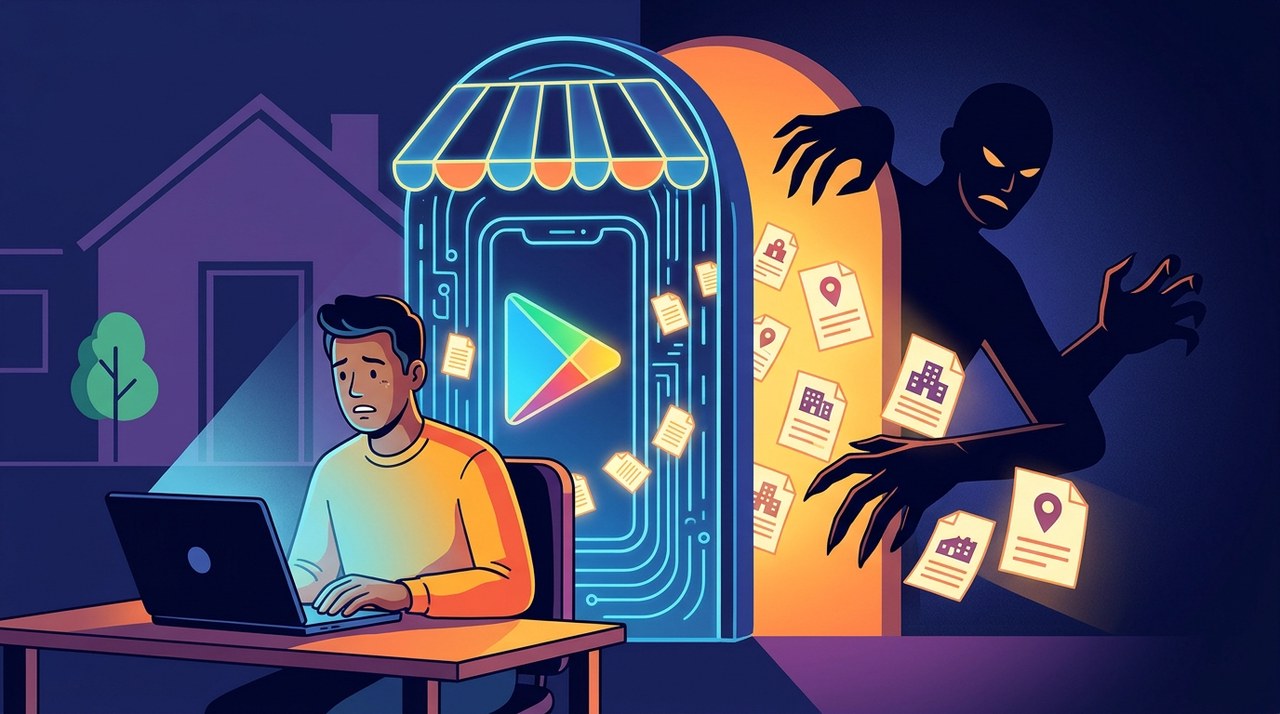
A New Safety Warning for Crypto Developers
Prominent BitcoinBTC-1.28% developer Peter Todd has raised serious concerns about an upcoming Google Play Store policy.
He warns that the updated policy could expose independent software creators to real-world physical threats.
The risk is especially high for developers building Bitcoin and security-focused applications directly from their personal homes.
There will be home invasions to compromise developers.
What is Changing on the Google Play Store?
Starting March 1, 2027, Google Play will publicly display the physical address and phone number of specific app creators.
This policy change specifically targets individual account holders who operate as traders.
Google explained that this requirement fulfills legal obligations for online marketplaces in the European Economic Area (EEA) and the UK.
Once posted, these private contact details will be visible to Play Store users all around the world.
Who Qualifies as a Trader?
Google lists several commercial activities that classify an individual developer as a trader.
Developers are generally considered traders if they participate in any of the following:
- Selling paid apps on the Play Store
- Offering in-app purchases or recurring subscriptions
- Earning advertising revenue from app displays
In contrast, developers who build apps purely as a hobby without monetization can classify themselves as non-traders.
Creators who do not distribute their software within the EEA or the UK are also exempt from trader status.
The Dilemma for Solo Developers
For small creators, business addresses and personal residential addresses are frequently identical.
On November 6, Australian developer Paull Dodemaide shared his experience on Google's official forum.
Dodemaide ran a small app that had just one paying subscriber.
Google support informed him that he could not substitute his residence with a standard PO Box address.
The address listed on Google Play must match the creator's verified personal residence.
To safeguard his home address, Dodemaide considered pulling his app from 31 countries entirely.
Key Timelines and Penalties
Google has established strict compliance deadlines for app publishers:
- February 1, 2027: Deadline for existing account holders to declare their trader status.
- March 1, 2027: Contact details become publicly visible on Play Store app listings.
- New Developer Accounts: Must submit trader declarations immediately upon account creation.
Failing to meet these guidelines carries significant consequences for developers.
Google warns that unverified accounts will be blocked from updating existing applications or risk total store removal.
Security Concerns in the Crypto Space
Peter Todd has urged Google staff members responsible for the policy to resist implementing the rule.
Privacy and operational security remain vital topics across the broader digital asset community.
While security debates continue, market activity remains dynamic, with reports noting large Bitcoin purchases during market corrections.
Past performance of digital assets is not a guarantee of future returns. Investors can review live market data directly on Bitkub Market.
Latest blog posts


XRPL Prepares to Unlock Native Lending After Key Vote
The XRP Ledger is on track to enable native decentralized lending features by December 11 following a major validator vote.
|


LayerZero Mainnet Launch: Can ZRO Break Its Downtrend?
LayerZero is gearing up for its Zero mainnet launch on November 30 with key institutional validators. Here is a look at ecosystem updates, staking terms, and technical price levels for ZRO.
|
Bitcoin Whales Buy 121,000 BTC Despite Price Crash
Large Bitcoin holders have accumulated over 121,000 BTC during Q4 2026, defying a 9-year historical selling trend despite market pullbacks.
|