
Gnosis Pay Reports Data Security Incident on Legacy System
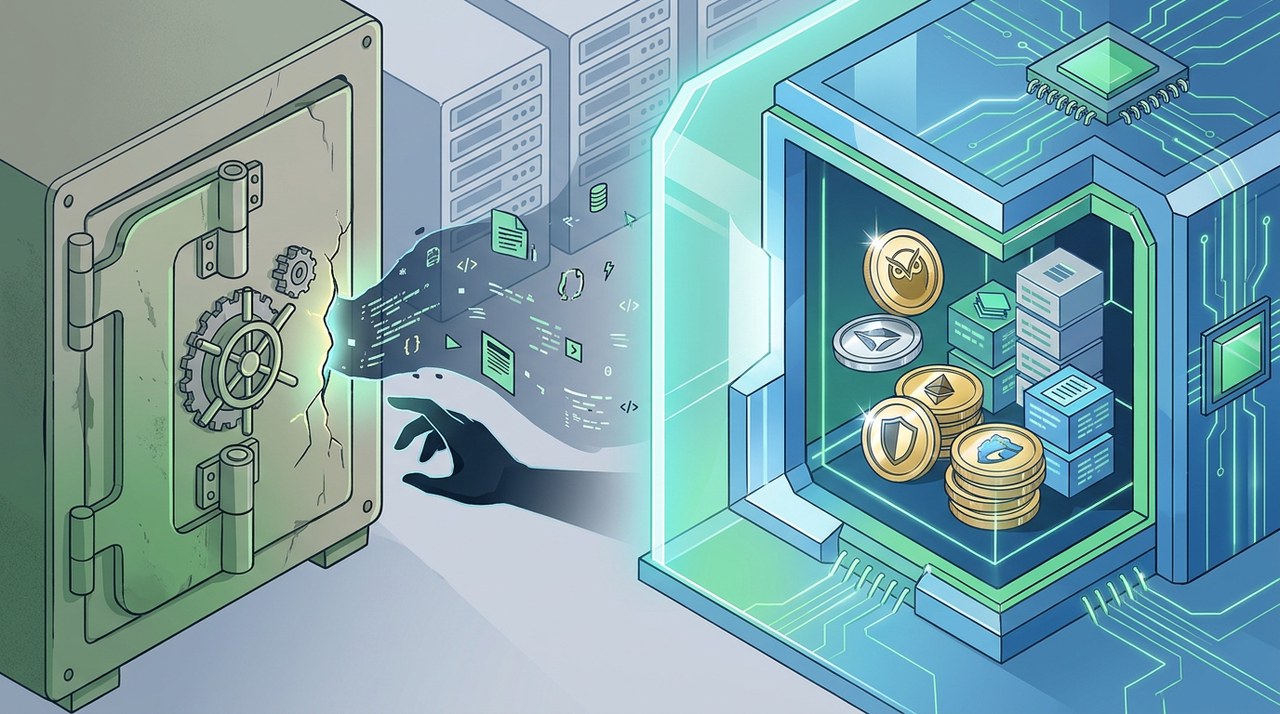
Key Details of the GnosisGNO+0.00% Pay Security Incident
Gnosis Pay has officially disclosed a security incident involving unauthorized access to personal customer information. The system breach was detected on November 3 within its legacy debit card infrastructure.
The critical takeaway for users is that financial assets were completely unimpacted. Gnosis Pay confirmed that customer funds remain safe and were not accessed during the event.
Breaking Down What Happened
On November 3, unauthorized individuals managed to breach a database connected to Gnosis Pay's legacy debit card operations. This legacy system contained customer details collected during early payment operations.
Security teams moved swiftly to isolate the legacy infrastructure and mitigate further risks. The project confirmed that current active smart contracts were isolated from the breach.
- Incident Date: November 3
- Targeted System: Legacy debit card infrastructure
- Exposed Information: Customer personal data
- Fund Security Status: 100% safe and unaffected
How Gnosis Pay Integrates with Crypto Assets
To understand why user funds remained safe, it helps to look at the architecture of Gnosis Pay. The platform bridges self-custodial web3 wallets with traditional payment networks, allowing users to spend crypto at everyday merchants.
When you use a Gnosis Pay card, your crypto funds live directly inside smart contracts on the blockchain. This setup is separate from centralized databases that store customer registration details.
Why Personal Data Breaches Do Not Always Expose Crypto Funds
Think of personal databases like a store filing cabinet containing customer receipt names and addresses. If an intruder breaks into the office, they might view those documents.
However, your digital assets sit in a separate high-security vault locked by private cryptographic keys that only you control. Because private keys were never stored on the compromised legacy server, attackers could not touch user funds.
Recommended Safety Steps for Users
While account balances are secure, personal data exposure requires vigilance. Malicious actors often use leaked contact details to send sophisticated phishing emails or scam messages.
If you have interacted with Gnosis Pay services in the past, taking a few preventive actions can help protect your online identity.
- Be cautious of unsolicited emails or text messages claiming to be from Gnosis Pay.
- Never share your wallet seed phrase, private keys, or account passwords.
- Verify official announcements directly on official project channels.
- Consider updating passwords on email accounts tied to your crypto profiles.
Understanding the Gnosis (GNO) Ecosystem Context
Gnosis Pay forms part of the broader ecosystem linked with the Gnosis (GNO) token. The network focuses on building decentralized tools, safe multi-signature wallets, and payment rails.
Incidents like this highlight the ongoing challenge of connecting legacy financial compliance structures with modern decentralized architecture safely.
Market participants often evaluate how development teams respond to security disclosures. Please note that past performance of digital assets is no guarantee of future results. For live market information, you can check Bitkub Market.
Next Steps for Platform Security
Gnosis Pay is conducting a thorough investigation to ensure all legacy access points are fully remediated. Protecting user identity and system security remains an essential priority as real-world crypto payment solutions expand globally.
Latest blog posts

Spot Bitcoin ETFs See $430M Outflows Amid Tech Stock Pullback
U.S. spot Bitcoin ETFs recorded approximately $430 million in net outflows as a pullback in technology stocks impacted broader market sentiment.
|


Russia Finalizes New Crypto Rules Ahead of Nov. 17 Rollout
Russia has completed its crypto rules launching November 17, enabling retail trading of BTC, ETH, and USDT through regulated brokers.
|
Strive Adds 15,124 BTC to Corporate Treasury in October
Strive reported a Q3 net income of $509 million while acquiring 15,124 Bitcoin in October, raising its total holdings to 43,124 BTC.
|