
FT Reveals Russian Tech Investor Holding Billion-Dollar Tether Stake
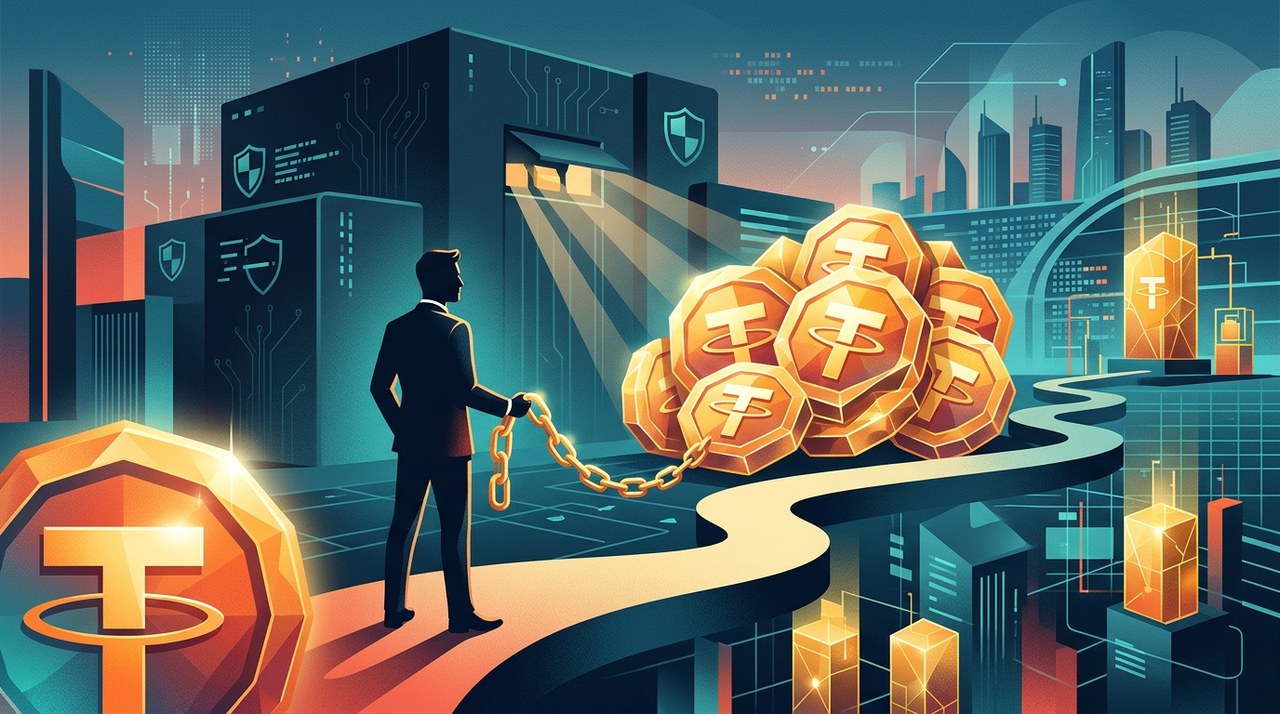
A Rare Glimpse Into TetherUSDT-0.03%'s Ownership Structure
Have you ever wondered who actually owns Tether, the company behind USDT? While Tether issued the largest stablecoin in the world, its list of owners has remained mostly private for years.
A report by the Financial Times has shed light on one of Tether's key shareholders. According to the publication, a former executive from the cybersecurity firm Kaspersky Lab named Bezrodnykh holds a multibillion-dollar stake in the firm.
This discovery provides fresh context on how early tech sector participants helped finance one of the crypto market's vital infrastructure providers.
Who Is Bezrodnykh?
Before becoming a major player in crypto, Bezrodnykh established his career in the global technology and cybersecurity sector.
He previously worked as a high-level executive at Kaspersky Lab, a globally recognized cybersecurity company headquartered in Moscow. Beyond his executive duties, Bezrodnykh also held a minority shareholder position in the cybersecurity firm.
Kaspersky Lab built an international reputation developing antivirus software and enterprise cybersecurity tools. The experience Bezrodnykh gained there positioned him well to evaluate software, network infrastructure, and early digital asset technologies.
The 2017 Investment That Changed Everything
Bezrodnykh entered the Tether picture around 2017. That year marked a historic turning point for the entire crypto market, known for the explosive retail expansion and early institutional curiosity.
Back in 2017, Tether was far smaller than it is today. Market participants used USDT to move funds between exchanges without converting back into traditional bank fiat currencies.
By taking an equity position in Tether during its formative period, Bezrodnykh backed a vision that stablecoins would become essential tools for liquidity.
As crypto adoption expanded globally, so did the supply of USDT. That growth transformed early equity checks into holdings worth billions of dollars.
How Tether Built Its Financial Empire
To understand why a stake in Tether is worth billions today, it helps to examine how the company generates revenue.
Tether issues USDT tokens that are intended to maintain a 1:1 value ratio with the US dollar. For every dollar token created, Tether collects cash or cash equivalents from users and market makers.
Tether invests those reserve dollars into liquid assets such as US Treasury bills, money market funds, and short-term debt instruments.
- Reserve Management: Tether holds tens of billions in US Treasury bills.
- Interest Revenue: Rising global interest rates allowed Tether to earn billions in risk-free yield.
- Lean Operations: Tether operates with a small core team, creating exceptionally high revenue per employee.
Because Tether operates with relatively small overhead costs compared to traditional commercial banks, a substantial portion of that interest income flows straight to corporate profits.
Why Corporate Ownership in Tether Matters
Ownership details surrounding Tether have historically drawn scrutiny from regulators, journalists, and market analysts globally.
Because USDT serves as a primary source of trading liquidity across centralized exchanges, stablecoin stability is crucial for crypto ecosystem health.
Major news outlets like the Financial Times regularly investigate who controls stablecoin firms to ensure accountability and evaluate financial governance.
Uncovering early investors like Bezrodnykh gives market participants a clearer view of who ultimately benefits from Tether's massive operational revenue.
Understanding Stablecoins and Risk Realities
For traders and daily crypto users, news about company equity holders does not change how USDT functions day-to-day. However, it offers a reminder to assess the broader market.
Stablecoins provide convenient transaction pathways, but they carry operational and regulatory factors that investors should evaluate carefully.
Regulatory frameworks across the US, Europe, and Asia are evolving rapidly to govern stablecoin issuers, reserve backings, and reporting standard compliance.
Past performance of digital assets or past operational results do not guarantee future returns or future performance.
Market conditions can shift quickly. Traders holding digital assets or utilizing stablecoins should evaluate liquidity conditions and stay informed on global regulatory updates.
Latest blog posts



Charles Hoskinson Criticizes Claude AI Over Work Edits
Cardano founder Charles Hoskinson has backed developer complaints about Claude AI altering outputs, sparking discussions around decentralized AI.
|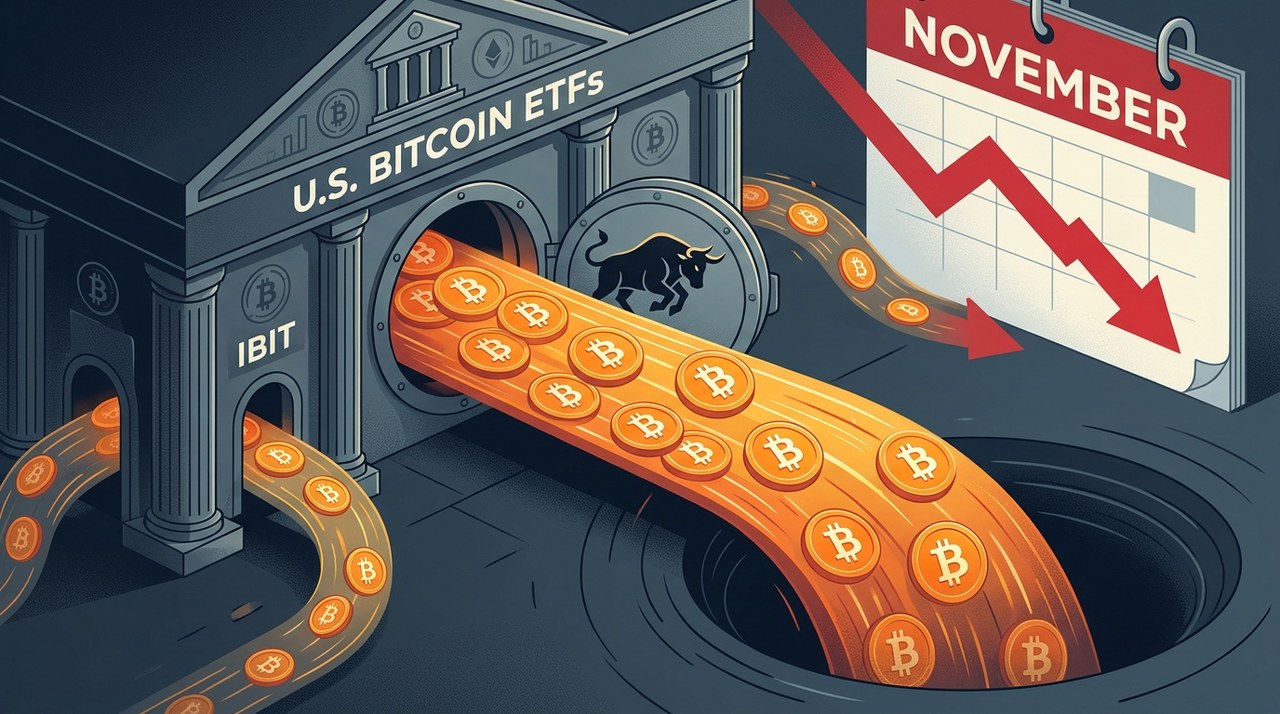


US Spot Bitcoin ETFs See Record $5.78 Billion Outflows in November
U.S. spot Bitcoin ETFs recorded a record $5.78 billion in net monthly outflows in November, with BlackRock accounting for the vast majority of withdrawals.
|
Liquid Network Hackers Move $35.5M in Dormant Bitcoin
The hackers behind the September Liquid Network exploit have moved 598.5 Bitcoin worth over $35 million after nearly three months of inactivity.
|