FinCEN Scraps Unhosted Wallet and Crypto Mixer Proposals
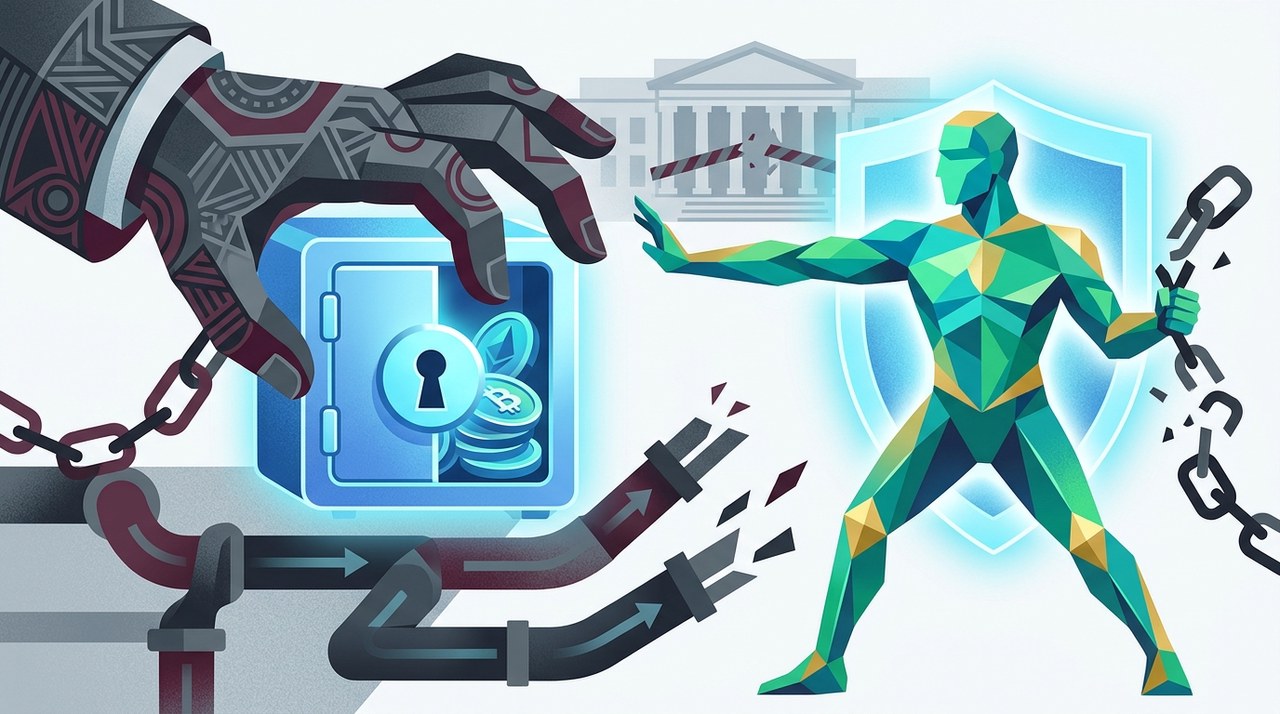
A Major Victory for Crypto Privacy
The United States Department of the Treasury has officially scrapped two controversial surveillance proposals. The Financial Crimes Enforcement Network, known as FinCEN, confirmed the withdrawals in official filings.
These proposals aimed to increase government oversight on private crypto transfers and privacy tools. Their withdrawal marks a significant moment for individual privacy in the digital asset space.
Breaking Down the Dropped Regulations
1. The Unhosted Wallet Proposal
FinCEN first introduced the unhosted wallet rule back in December 2020. This occurred during the final weeks of President Donald Trump's first term.
An unhosted wallet, or self-custodial wallet, is controlled directly by the owner. You hold your own private keys instead of trusting a centralized exchange or bank.
The proposed rule would have treated self-custody wallets much like bank accounts. Financial institutions would have faced strict new record-keeping and reporting demands, including:
- Keeping records for transactions over $3,000 involving self-custody wallets.
- Reporting transactions over $10,000 directly to the government.
- Collecting counterparty information, such as the identity of the person receiving the funds.
In short, the proposal tried to extend traditional Bank Secrecy Act rules directly to personal digital wallets.
2. The Crypto Mixer Proposal
The second withdrawn rule was proposed in 2023 under the Biden administration. It targeted international crypto mixing services.
Crypto mixers pool together funds from many users and shuffle them. This process helps obscure the transaction trail and protect user privacy.
Under the 2023 proposal, FinCEN wanted to label international crypto mixing as a 'primary money laundering concern' under the USA PATRIOT Act.
If enacted, banks and exchanges would have been required to collect and report extensive data, including:
- Associated wallet addresses
- Transaction hashes
- IP addresses linked to suspected mixing activity
Why Did FinCEN Back Down?
FinCEN received strong pushback from policy groups, industry leaders, and privacy advocates during the public comment periods.
Critics warned that the rules defined mixing too broadly. They argued that overreaching surveillance would harm lawful users seeking basic transaction privacy.
FinCEN formally acknowledged these concerns in its official withdrawal notices. The agency also cited a July 2025 White House digital asset report.
That report noted support for the right of lawful users to transact privately on public blockchains.
Industry Reaction and What Comes Next
Crypto policy groups celebrated the decision after fighting both proposals for several years.
Coin Center, a Washington-based advocacy non-profit, highlighted the decision as a clear win for financial privacy.
"It's been a hard month for privacy and your right to use crypto. There's a bright spot," wrote Peter Van Valkenburgh, Executive Director at Coin Center, on social media.
However, Van Valkenburgh cautioned that the broader regulatory debate is far from over. FinCEN still maintains the statutory authority to introduce new, similar proposals in the future.
Ongoing Debates Surrounding Self-Custody
Self-custody rights continue to be a focus area for government oversight. Other regulatory bodies have also explored rules affecting self-custody software.
For example, the Consumer Financial Protection Bureau (CFPB) previously considered rules that could classify wallet software like MetaMask under consumer payment laws.
Industry leaders pushed back against that initiative as well, emphasizing that non-custodial software providers do not hold user funds.
Understanding the Bigger Picture
Clear regulatory framework developments help shape how digital assets integrate with traditional finance. Policy decisions directly impact how users interact with decentralized networks.
As policy debates progress, digital asset prices remain subject to broader market conditions and supply dynamics. Market participants should always stay informed on both policy shifts and market risks.
Past performance of digital assets is not an indication of future results.
Latest blog posts



Boris Johnson Expresses Bitcoin Skepticism at Breakpoint
Former UK Prime Minister Boris Johnson shared his cautious stance on Bitcoin's decentralized structure during Solana's Breakpoint event.
|
US and Canada Launch Joint Crypto Fraud Crackdown
Authorities in the US and Canada have joined forces under Operation Niagara to target organized cross-border cryptocurrency scams.


Tom Lee Questions Ethereum Drop as Bitmine Adds 7,653 ETH
Tom Lee highlights a growing disconnect between Ethereum's price pullback and underlying institutional growth as Bitmine purchases 7,653 ETH.
|