Fed Waller Says Tokenized Finance Needs Traditional Banks
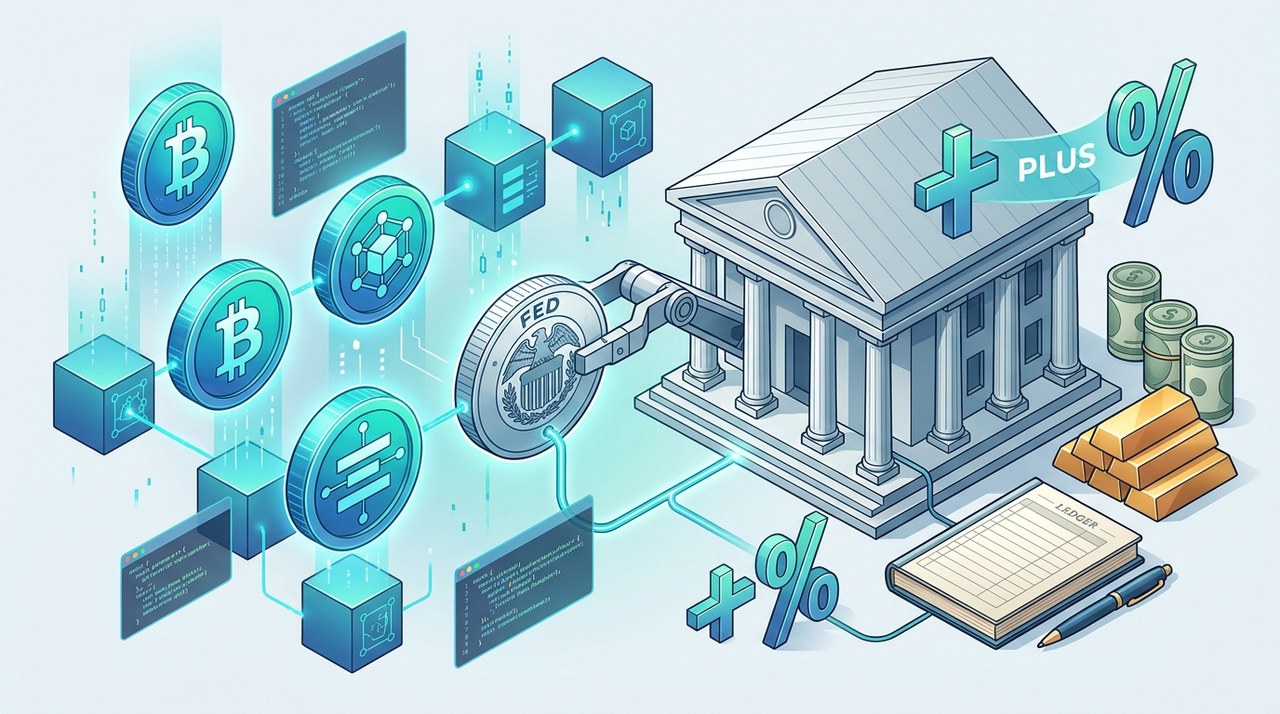
Fed Governor Waller Addresses Monetary Policy and Crypto Innovation
Federal Reserve Governor Christopher Waller recently shared important perspectives regarding the future of money, interest rate policy, and the connection between digital assets and traditional banking systems.
During his remarks, Waller pointed out that while tokenized finance continues to advance, it cannot function entirely on its own. Instead, it remains deeply connected to existing traditional banking infrastructure for settlement, trust, and regulatory oversight.
Understanding Interest Rate Adjustments and Basis Points
To understand the broader economic context, it helps to break down how central bank policies affect financial markets. When central bankers discuss rate adjustments, they frequently use the term basis points.
A single basis point represents one-hundredth of a percentage point, or 0.01%. Therefore, a 50-basis-point hike equals an increase of 0.50% in the benchmark interest rate.
Why the Fed Adjusts Interest Rates
The Federal Reserve adjusts interest rates primarily to maintain price stability and support maximum employment. When inflation runs high, raising rates increases borrowing costs for consumers and businesses.
Higher borrowing costs tend to cool down spending and economic activity. Conversely, lowering interest rates makes borrowing cheaper, which can encourage spending and investment.
- Higher Rates: Increase borrowing costs, help cool inflation, and can lead to tighter market liquidity.
- Lower Rates: Decrease borrowing costs, stimulate economic growth, and can increase liquidity across financial markets.
Why Tokenized Finance Still Depends on Traditional Banks
Tokenization refers to creating a digital representation of a real-world asset on a blockchain. This can include real estate, treasury bills, stocks, or physical commodities.
While blockchain technology offers instant settlement, transparency, and automated smart contracts, Waller emphasized that digital finance still relies on traditional financial institutions.
Key Reasons Traditional Banks Remain Crucial
- Fiat Currency Liquidity: Tokenized assets usually need to be converted back into traditional fiat currency like US Dollars, which requires banking rails.
- Custody and Asset Backing: Real-world assets represented on-chain must be physically or legally held by trusted custodians, typically regulated banks.
- Regulatory Compliance: Established banks possess deep frameworks for Anti-Money Laundering (AML) and Know Your Customer (KYC) rules.
Without integration into traditional banking channels, tokenized financial systems face significant hurdles in gaining mass adoption among institutional market participants.
How Central Bank Decisions Impact Stock and Crypto Markets
Macroeconomic decisions made by the Federal Reserve do not just affect traditional stock market indices like the S&P 500 (SPY). They also play a significant role in digital asset markets.
When monetary policy tightens, investors often reallocate capital away from high-volatility assets into safer yield-bearing instruments like Treasury bills. Conversely, easier monetary conditions can encourage capital flow back into risk-on assets.
Tokenized financial systems and decentralized protocols are evolving rapidly, but their bridge to the real economy remains firmly grounded in traditional banking infrastructure.
Market Outlook and Potential Scenarios
Evaluating economic trends requires considering multiple potential scenarios depending on monetary policy moves and regulatory developments.
Scenario A: Continued Tightening or Higher Rates
If the Federal Reserve maintains elevated interest rates to combat inflation, borrowing costs will remain high. Under these conditions, risk assets—including equities and cryptocurrencies—may experience periods of consolidation or price pullbacks as overall liquidity remains tight.
Scenario B: Policy Easing or Rate Stabilization
If inflation cools toward the target level, the Fed may stabilize or cut interest rates. Lower interest rates generally improve market liquidity, which could support market valuations—though unexpected macroeconomic shocks or regulatory changes could still spark market volatility.
Key Takeaways for Market Participants
As financial markets continue to bridge traditional banking with blockchain innovation, keeping a close eye on central bank announcements is essential.
- Monitor Macro Trends: Central bank interest rate decisions heavily influence overall liquidity and market sentiment.
- Understand Infrastructure: Digital assets backed by real-world assets rely on banking compliance and secure custody.
- Recognize Market Risk: Financial markets experience short-term volatility during shifts in monetary policy.
Past performance of digital assets or financial markets is not a guarantee of future results. Readers should stay updated on official economic data and maintain balanced risk awareness.
Latest blog posts



CoinShares Sells Treasury Ether to Fund Stock Buyback
CoinShares liquidated its corporate Ethereum and half of its Solana to raise funds for a $40 million stock buyback program.
|

Hyperliquid Proposes 7 Key Regulatory Changes to UK FCA
The Hyperliquid Policy Center has submitted a seven-point proposal to the UK Financial Conduct Authority to refine upcoming crypto regulations.
|

GTA 6 Hype Triggers $200K Meme Coin Surge Amid Confusion
An unofficial meme coin tied to Grand Theft Auto 6 rumors saw dramatic price swings, turning one trader's $300 into $200,000 before ticker confusion triggered market volatility.
|