
Ex-CFTC Chair Says CLARITY Act Failure Won't Stop Crypto

If you have been keeping an eye on crypto news lately, you probably heard about the CLARITY Act. This high-profile bill was designed to give the digital asset industry a clear set of federal rules. However, it recently failed to pass in Congress.
While many crypto supporters were disappointed, one major figure in regulation is surprisingly calm. Chris Giancarlo, the former chairman of the US Commodity Futures Trading Commission (CFTC), says crypto will be just fine without the bill.
"I’m quite satisfied that Clarity didn’t pass. We’re going to be just fine," Giancarlo explained in a recent interview.
Why the CLARITY Act Faded Away
So, what went wrong with the bill in the first place? According to Giancarlo, the CLARITY Act suffered a slow and drawn-out end over its final six months.
In Washington, lawmakers often try to make a bill pleasing to every single interest group. But when you add too many extra rules and compromise after compromise, the original purpose gets weighed down. Giancarlo noted that the bill eventually became "unloved by everybody."
Because of how tangled the process became, he does not expect Congress to bring back a similar bill anytime soon. But to him, that is not necessarily a bad thing for innovation.
Does Crypto Really Need a New Law?
Giancarlo pointed out an interesting historical pattern in how the United States handles brand-new technology. In America, innovation usually comes first, and specific legislation follows much later.
Think about the major technological shifts of recent decades. There was no special founding law passed before the internet took off. The same thing happened with big data and artificial intelligence (AI). All of these sectors grew into world-changing industries without a custom piece of legislation at the start.
Giancarlo described the habit of writing heavy rules before a technology even matures as "sort of a European thing." When governments set strict rules upfront, developers end up building around official red tape instead of building what everyday users actually need.
Right now, regulators like the Securities and Exchange Commission (SEC) and the CFTC are already writing guidelines using the powers they currently hold. Giancarlo believes this existing authority addresses the real needs of the sector. In his view, the main reason crypto pushed so hard for a new law was to protect itself from hostile government actions seen in recent years.
Did Political Memecoins Play a Role?
Politics played a massive role in how the bill turned out. When asked if President Donald Trump's involvement in crypto damaged the bill's chances, Giancarlo agreed that it was a factor.
Specifically, he pointed to the launch of tokens linked to political figures, like the Trump coin and the Melania coin. He called these releases "ill-advised" because they turned crypto regulation into a political football. When a topic gets caught in political rivalries, passing balanced laws becomes much harder.
Giancarlo shared how he handled his own finances when he led the CFTC. Back then, no official rule stopped him from buying BitcoinBTC+0.92%. Even so, he chose not to hold any crypto assets while he was helping shape the rules for them.
"Statesmen should self-impose some restrictions," Giancarlo said, emphasizing that leaders need to maintain public trust.
Why Trump Remains a Net Positive for Crypto
Even though Giancarlo criticized the memecoin launches, he still views Donald Trump's overall impact on the crypto space as positive. The main reason comes down to strategic appointments in official leadership positions.
Giancarlo praised the selection of several key regulators who understand digital assets:
- Paul Atkins as Chair of the SEC
- Mike Selig as Chair of the CFTC
- Gould as Head of the Office of the Comptroller of the Currency (OCC)
Giancarlo has a personal connection to Mike Selig, who previously worked for him at the CFTC. He mentioned that Selig is doing "everything he can" using the authority Congress has already granted the agency.
The US Global Position and the Future of Digital Assets
Looking at the global landscape, Giancarlo remains confident about America's position. He firmly believes the United States is winning the crypto race today.
While regions like the United Arab Emirates (UAE) have established clear frameworks, Giancarlo views them as regional hubs. In contrast, the US holds two massive advantages: the world's largest financial market and the deepest pool of technology talent.
He also addressed critics of digital assets, such as Senator Elizabeth Warren. Giancarlo suggested that critics seem to want people to stick with traditional "paper checks and branch banks."
However, younger generations raised online are unlikely to accept an analog financial system. As technology moves forward, modern digital tools continue to gain relevance over traditional methods.
Navigating the Changing Crypto Regulatory Landscape
As policy debates continue in Washington, the digital asset landscape remains dynamic. Government regulations, leadership changes, and technical innovations can lead to shifts in market conditions.
Understanding how regulatory authorities view digital assets helps market participants stay informed. Keeping track of both market risks and technological updates remains essential as the financial system continues to evolve.
Latest blog posts


Grok Asked to Verify $1,000 XRP Claim Near $0.90
A viral post on X claiming XRP is secretly worth $1,000 in private markets drew widespread mockery as the token traded near $0.90.
|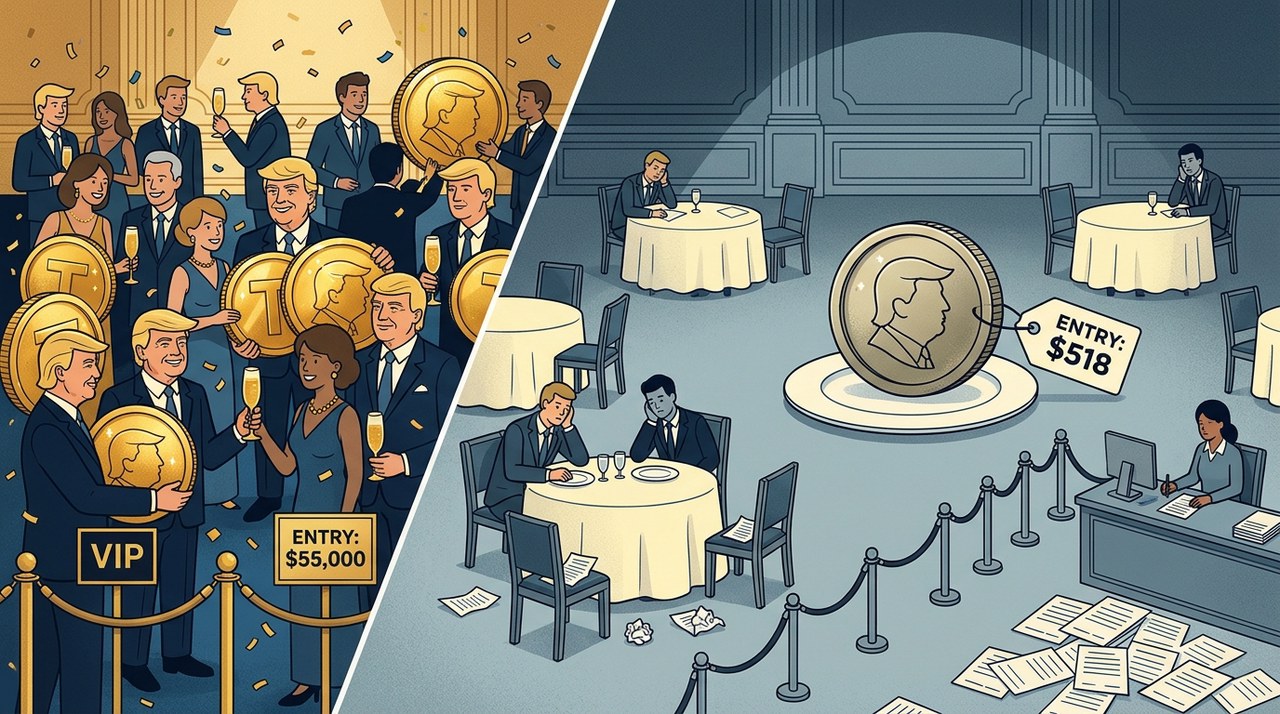

Trump Meme Coin Dinner Returns to Low Holder Interest
US President Donald Trump is hosting another dinner for top TRUMP meme coin holders, but lower token prices and shrinking demand have drastically cut entry costs.
|
Can XRP Hit $100? Realities Behind the Recent Lows
XRP recently dropped to $0.86 despite claims of a $100 target. We examine the math, market cap realities, and banking updates.
|