

Ethereum Researcher Urges 'Bunker Mode' Over AI Crypto Risks
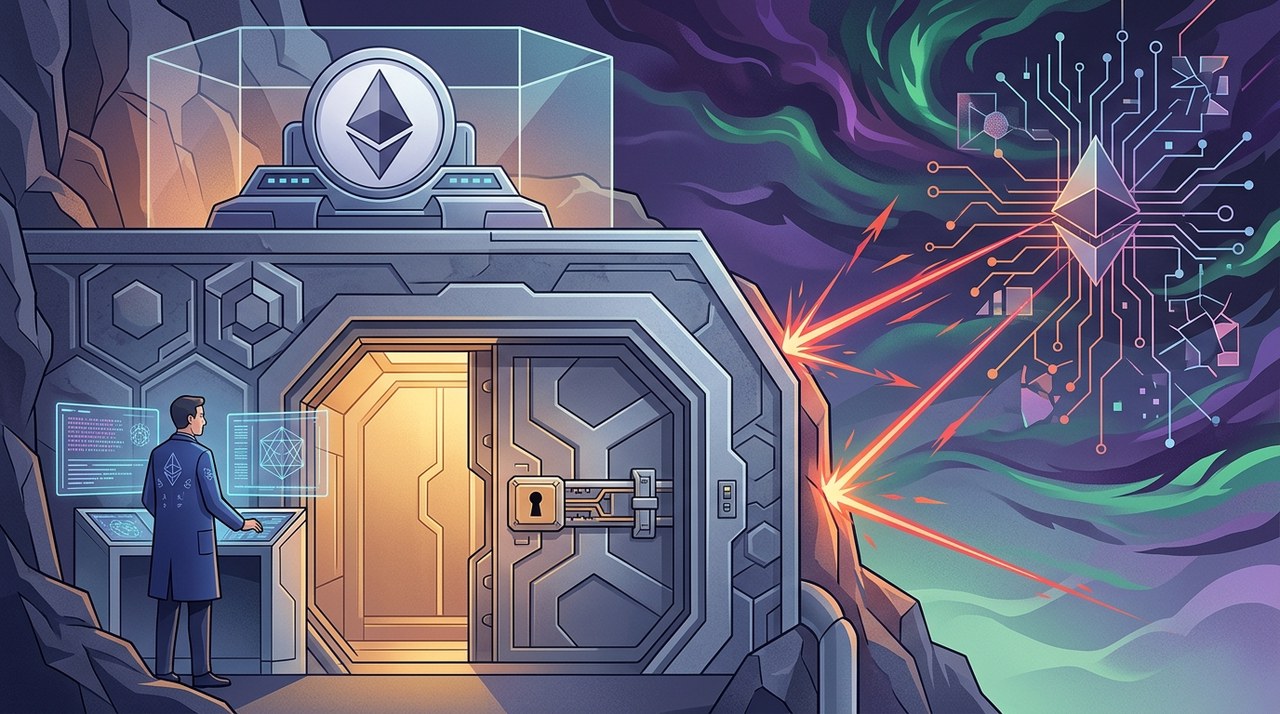
What Is Bunker Mode and Why Is Justin Drake Warning Crypto Users?
Top EthereumETH-4.21% researcher Justin Drake has issued a thoughtful recommendation to the blockchain community. He is calling on developers, institutions, and individual crypto users to calmly start planning for what he calls bunker mode.
The warning comes as rapid advancements in artificial intelligence reshape how researchers analyze complex mathematics. Drake cautions that rapid breakthroughs in AI could eventually expose unknown flaws in standard cryptographic systems like ECDSA (Elliptic Curve Digital Signature Algorithm).
Today I call upon the blockchain industry to calmly start planning for 'bunker mode.'
It is critical to note that Drake is not asking anyone to panic or sell their digital assets. Instead, he views bunker mode as a sensible, preventive measure that can be organized using current wallet infrastructure without drama.
Understanding ECDSA: The Mathematical Shield of Crypto
To understand Drake's advice, it helps to look at how cryptocurrencies secure your funds. Blockchains like BitcoinBTC-2.23% and Ethereum rely on a cryptographic system called ECDSA to confirm transactions.
Think of your crypto wallet as having two main parts: a public key and a private key. Your public key acts like your receiving address or a drop box where anyone can deposit funds. Your private key acts like your secret physical key that unlocks the box to spend the money.
Under normal conditions, deriving a secret private key from an exposed public key using modern computers is mathematically impossible. It would take billions of years of computing power to guess a single key.
When Does a Public Key Become Visible On-Chain?
When you simply receive crypto at a standard address, your full public key is usually hidden behind a hashed address format. However, the moment you send an outgoing transaction, your wallet broadcasts your actual public key to the network so miners and validators can verify your signature.
This means any wallet address that has previously sent an outgoing transaction has its raw public key permanently recorded on the public blockchain ledger.
How AI and 'Mathematical Superintelligence' Change the Risk Picture
Historically, developers believed that breaking ECDSA would require powerful quantum computers—an event often referred to in the tech community as Q-day. Quantum computers use entirely different physical principles to solve math problems.
However, Drake points out that artificial intelligence could change the timeline. Recent AI progress from organizations like OpenAI shows that machines are rapidly improving at deep mathematical reasoning.
Drake worries that an AI system achieving mathematical superintelligence might discover unexpected shortcuts or hidden flaws in elliptic curve mathematics long before quantum computers are fully built.
Could our magic 64-byte ECDSA signatures be too good to be true?
In a theoretical worst-case scenario outlined by Drake, if an AI finds a practical mathematical shortcut, existing classical computers might be able to extract a private key from a exposed public key in about one week.
Fact Check: Is Bitcoin or Ethereum Damaged Right Now?
The short answer is no. There is absolutely no evidence that AI, classical supercomputers, or quantum hardware have broken ECDSA, RSA, or any underlying cryptography used in major blockchains.
Drake emphasizes that his proposal is strictly a proactive framework rather than a response to an active threat or exploit.
- Zero Active Exploits: No mathematical flaw in the curve used by Bitcoin or Ethereum has been found.
- No Urgent Emergency: Existing wallet standards remain safe for daily use.
- Preemptive Security: The strategy is designed to protect assets before an unforeseen discovery occurs.
How Would 'Bunker Mode' Work for Crypto Holders?
The core concept behind bunker mode is simple address management and privacy hygiene. It involves transferring funds into clean, freshly generated wallet addresses whose public keys have never been revealed to the blockchain network.
Practical Steps for Implementing Bunker Mode
- Generate Fresh Addresses: Create new receiving addresses within a secure wallet environment.
- Consolidate and Move Funds: Transfer assets into these new addresses in controlled transactions.
- Minimize Outgoing Transactions: Avoid sending funds out from these new cold addresses until necessary, keeping their raw public keys hidden behind cryptographic hashes.
Major institutions and large holders are encouraged to begin designing workflows that allow automated key rotation to keep long-term reserves stored behind unrevealed public keys.
Broader Industry Debates Around AI and Blockchain Security
The intersection of artificial intelligence and digital assets is currently one of the most discussed topics across tech circles. Industry figures have weighed in on various aspects of this evolving dynamic.
For instance, market commentator Arthur Hayes recently noted that macroeconomic adjustments and volatility within the AI sector could indirectly impact broader crypto market liquidity.
At the same time, network upgrades across major blockchains continue to focus on post-quantum cryptography and account abstraction. These developments aim to make switching security algorithms smoother if an existing algorithm ever faces performance concerns.
Key Lessons for Everyday Crypto Investors
While Justin Drake's discussion touches on high-level cryptography, the takeaway for everyday investors is straightforward: maintain good operational security and stay informed without falling victim to panic.
- Stay Calm: Theoretical security discussions are a healthy part of blockchain development.
- Practice Address Hygiene: Avoid unnecessary address reuse when receiving and sending funds.
- Use Hardware Wallets: Ensure key storage remains offline and away from internet-connected devices.
- Follow Official Updates: Rely on verified technical disclosures from core developers rather than social media rumors.
By encouraging proactive planning today, researchers like Justin Drake help ensure that decentralized networks stay resilient against whatever technological breakthroughs the future brings.
Latest blog posts
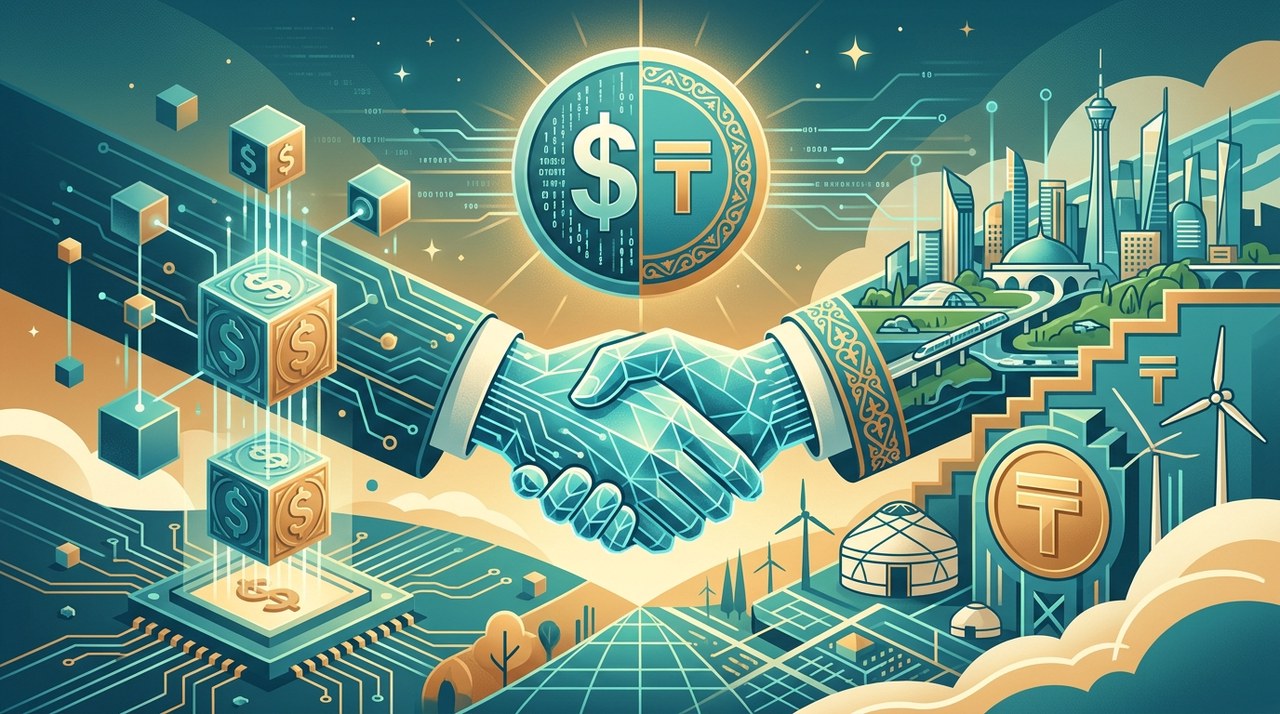


Tether Partners With Kazakhstan to Explore Stablecoins
Tether has signed an agreement with Kazakhstan's central bank and Alatau City to study tokenized assets and a tenge-pegged stablecoin.
|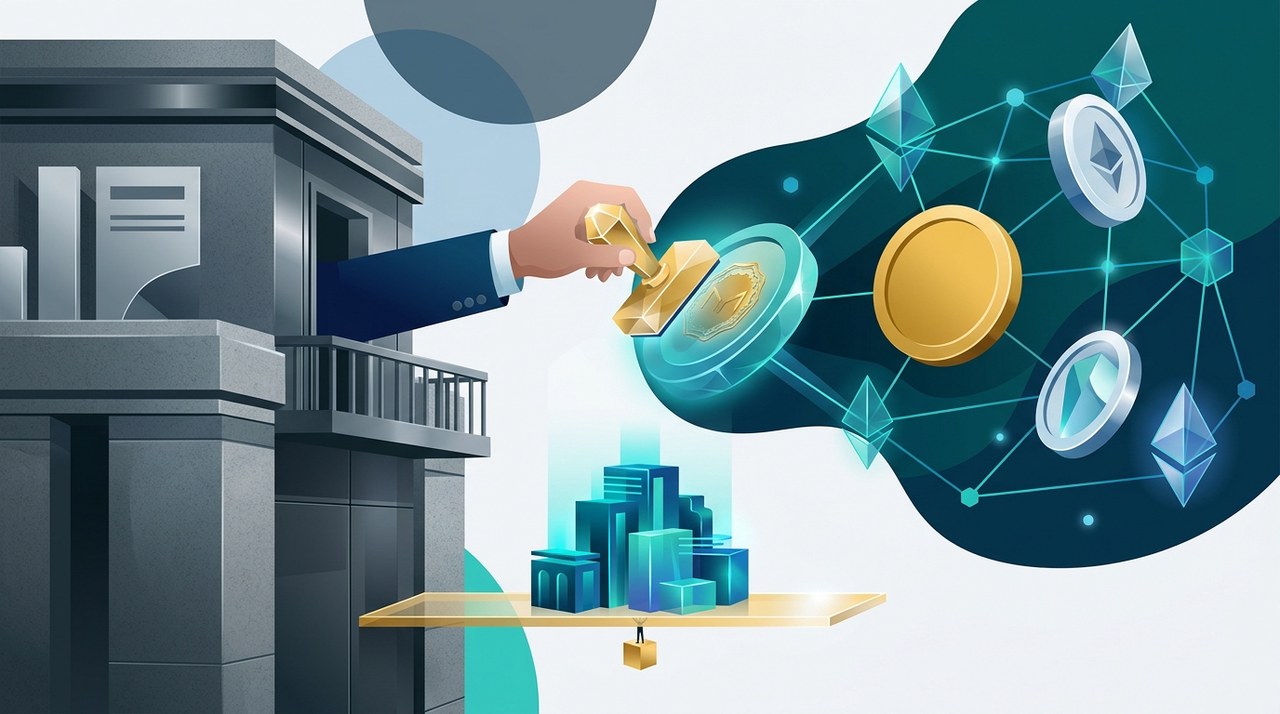

Moody's Gives Sky Protocol First Stablecoin Credit Rating
Moody's assigned Sky Protocol a B3 rating with a stable outlook, praising its liquid assets while noting a thin reserve cushion as a material weakness.
|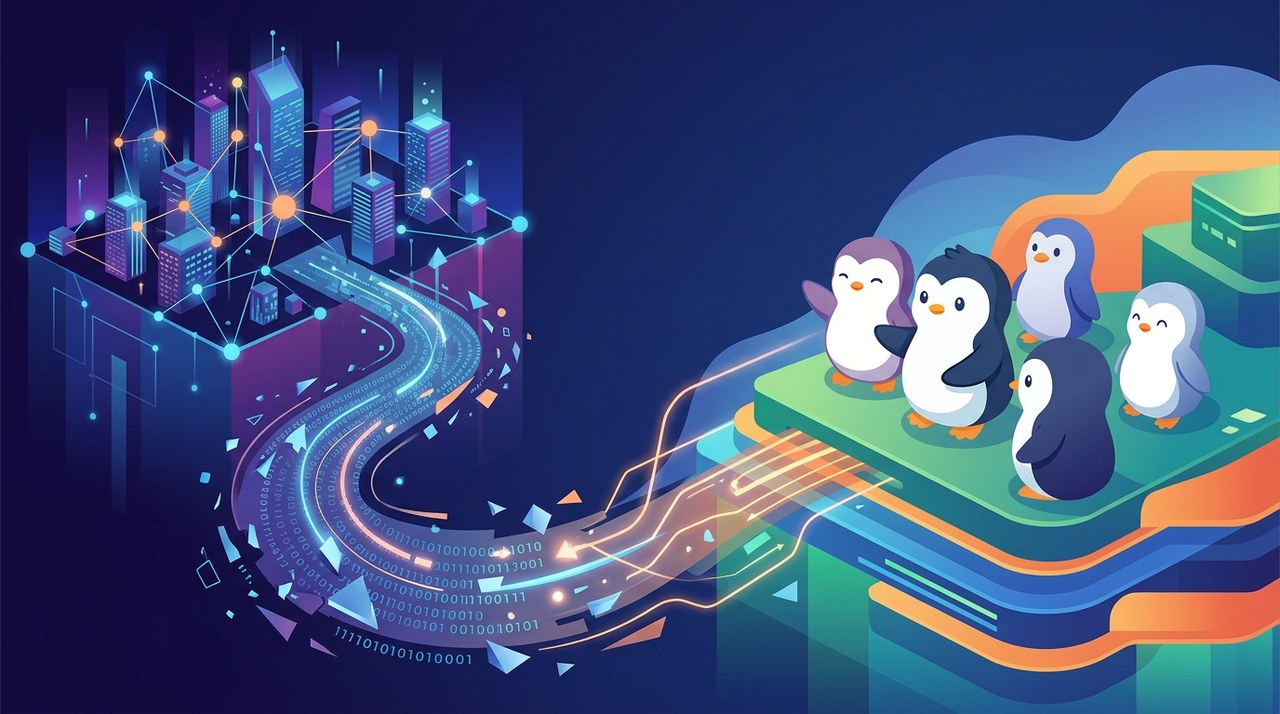

Pudgy Penguins Creator Winding Down Abstract Network
Igloo Inc. announced plans to shut down its Abstract Layer 2 network on December 15, 2026, refocusing resources on the Pudgy Penguins brand.
|