
Ethereum Devs Debate Upgrade That Could Impact 15,000 Apps

The Core Dilemma Facing EthereumETH+1.70%
Imagine updating your smartphone operating system, only to find that thousands of older apps no longer work. That is the exact dilemma Ethereum developers are facing today.
Core developers are evaluating a significant network upgrade designed to improve scalability. However, technical estimates show that the proposed changes could potentially break up to 15,000 existing decentralized applications (dApps).
This debate highlights a fundamental challenge in blockchain design. Developers must choose between protecting legacy smart contracts or making bold upgrades to prepare the network for massive future growth.
Why Is a Major Upgrade Necessary?
Ethereum has expanded dramatically over the past decade. As the network handles millions of transactions, processing capacity becomes tightly stretched during high-demand periods.
To process transactions faster and make layer-1 operations cheaper, developers need to overhaul the Ethereum Virtual Machine (EVM). Over time, technical debt builds up inside the network protocol.
Many legacy smart contracts rely on old assumptions about execution costs, data storage, and network logic. Cleaning up these outdated structures is essential to build a faster blockchain.
What Does Breaking 15,000 Apps Really Mean?
Smart contracts on Ethereum are immutable, meaning their code cannot be altered after deployment. This design provides security, but it also creates friction when baseline network rules change.
If core rules inside the EVM change, older smart contracts that rely on deprecated rules could stop functioning correctly.
Many of the 15,000 affected contracts belong to inactive projects built during earlier market cycles. However, some active utility scripts and existing projects could still face operational disruptions.
If changes go through, application developers would need to redeploy smart contracts or create migration tools to keep services running smoothly.
Backward Compatibility vs. Future Performance
Ethereum has historically prioritized backward compatibility to protect existing users and applications. Breaking legacy code has always been considered a last resort by core researchers.
Other modern blockchains prioritize transaction speed over historical compatibility. For Ethereum, maintaining total backward compatibility makes it harder to introduce critical performance upgrades.
Developers are exploring several potential compromises:
- Extended grace periods: Giving developers extra time to transition old contracts before changes take effect.
- Opt-in upgrades: Allowing new smart contracts to use modern architecture while isolating legacy contracts.
- Compatibility layers: Creating translation systems within the EVM to keep older applications functional.
Market Sentiment and Price Outlook
Technical developments on Ethereum frequently influence broader market expectations. Traders monitor protocol changes closely to assess future growth potential and operational risks.
Prediction markets reflect mixed sentiment surrounding short-term price targets for ETH across key price levels.
If technical upgrades proceed smoothly without breaking core services, and layer-2 adoption continues, analysts note ETH could maintain upward momentum. Conversely, if technical obstacles cause network delays or user disruption, price corrections could occur.
Past performance of digital assets does not guarantee future results. Investors should review current market conditions carefully on Bitkub Market.
What This Means for Users and Developers
For everyday crypto users, there is no need for immediate panic. Core updates undergo extensive testing on testnets for months before reaching the main network.
For developers, reviewing existing smart contract code against proposed EVM updates will be essential to ensure smooth transitions.
Ultimately, this debate reflects Ethereum's continuous progress. Finding the right balance between supporting old applications and building next-generation infrastructure remains vital for its long-term ecosystem.
Latest blog posts


 +2
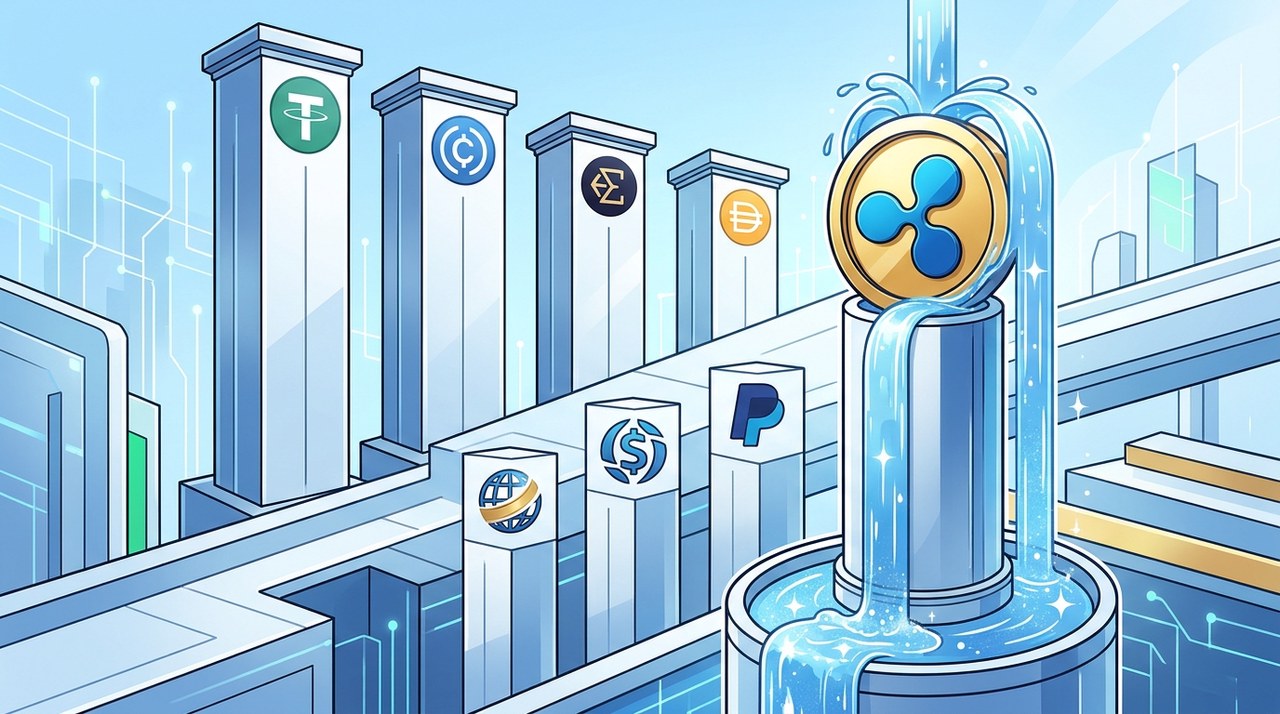
Ripple USD Enters Top 5 Stablecoins as Supply Hits ATH
Ripple USD (RLUSD) has officially reached the top five stablecoins by market cap, achieving a record circulating supply of $2.85 billion.
|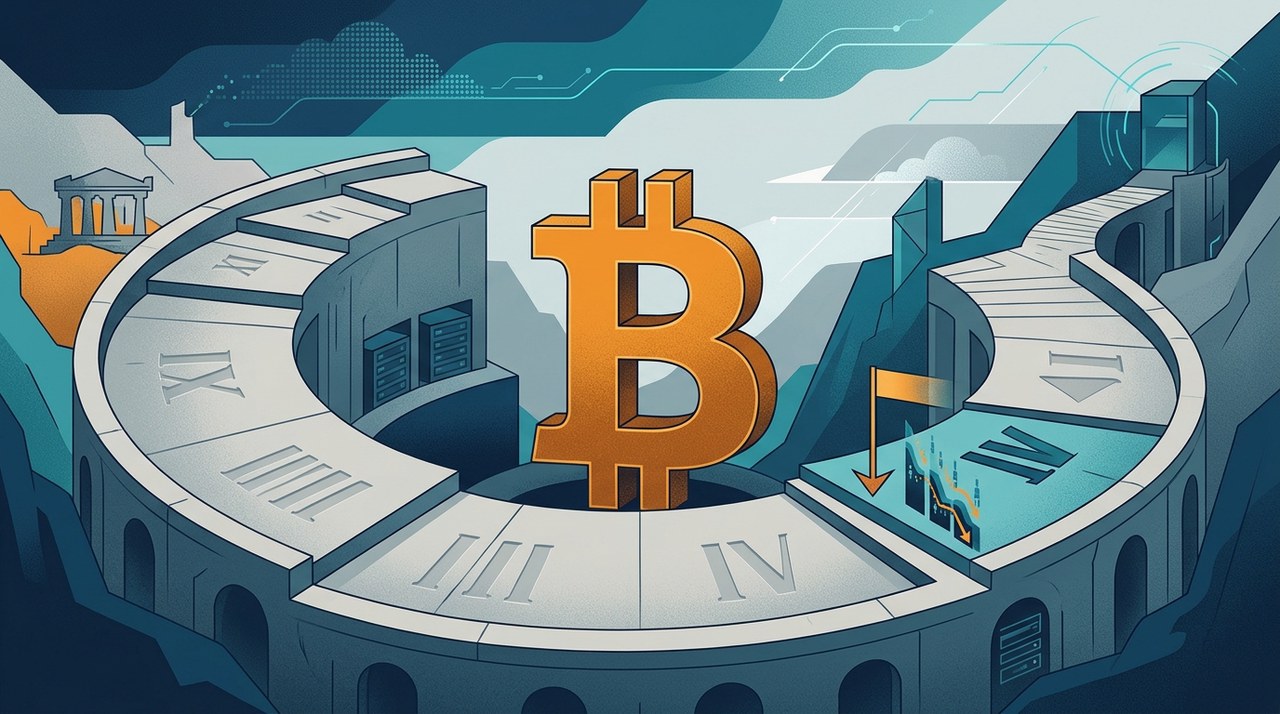


Bitcoin Hits $55,000 Low as 4-Year Cycle Theory Comes into Focus
Bitcoin touched $55,081 in November 2026 before recovering above $60,000, leading market analysts to examine historical four-year cycle patterns.
|

3 XRP Ledger Features Race for 2026 Activation
Three key XRP Ledger amendments—Lending Protocol V1_1, Confidential Transfers, and Single Asset Vault—are seeking final validator votes before the end of 2026.
|