Elon Musk's $119B Terafab: Can It Work Without Clients?
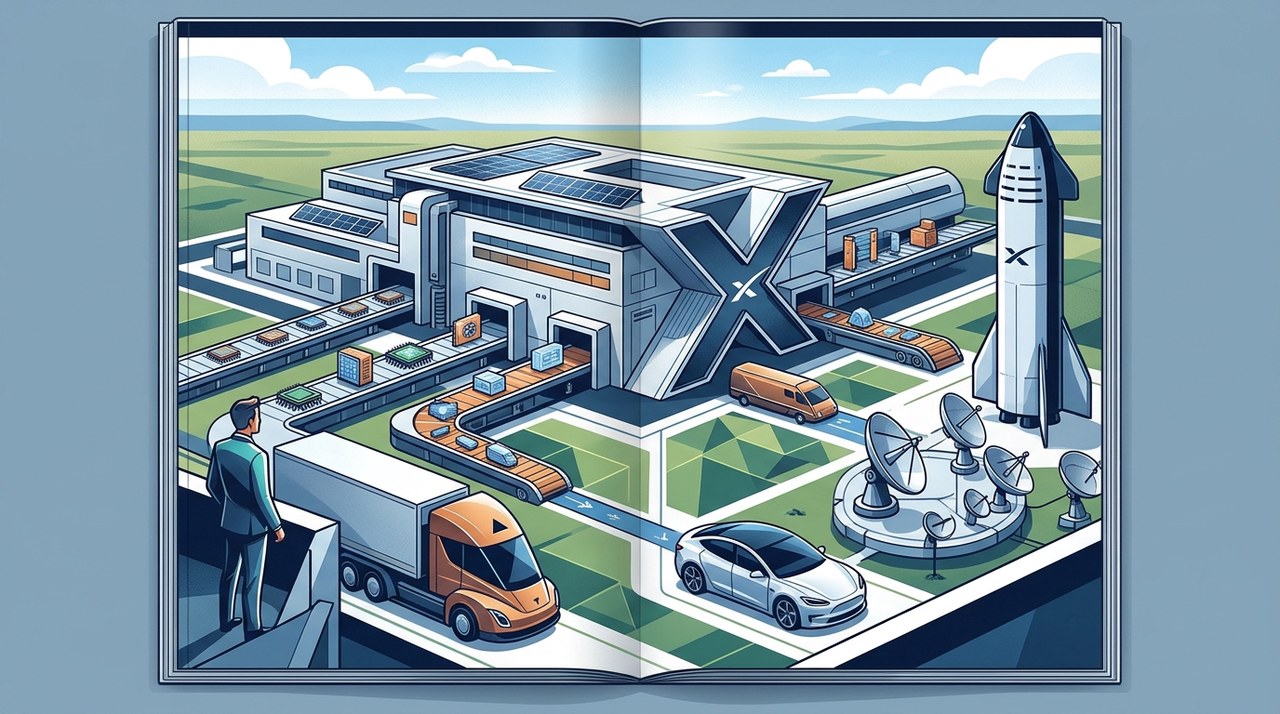
Inside Elon Musk's Biggest Manufacturing Bet
Elon Musk is known for taking on massive technological challenges. From electric vehicles to reusable rockets, he focuses on heavy industrial problems. Now, he is entering the semiconductor sector with a massive project called Terafab.
Terafab is a giant chip manufacturing complex currently under development in Texas. Local tax filings show the project could cost up to $119 billion across four phases. That scale makes it one of the largest industrial initiatives today.
Unlike traditional chipmakers like TSMC or Samsung, Terafab is not designed to serve outside clients. Instead, it aims to produce chips exclusively for Musk's own companies, including Tesla and SpaceX.
Can a $119 billion factory succeed while relying entirely on internal demand? Let's look at how the project is moving, what suppliers are saying, and the major questions ahead.
Why Suppliers Are Surprised by Terafab's Pace
In the chip industry, decision-making is usually slow. Companies often spend months in committee meetings before making equipment purchases. However, Terafab is operating on a much faster timeline.
A report from South Korean media outlet The Elec detailed how quickly the team works. An executive from a Korean equipment supplier noted that inquiries sent early in the morning US time receive replies within 30 minutes to an hour.
The executive credited this speed to the structure of the team. Terafab's engineers hold direct decision-making authority, allowing them to sign off on technical decisions without waiting for multiple layers of management approval.
I’ve never seen this level of execution speed in the semiconductor industry.
Elon Musk confirmed this operational pace on social media. On October 30, 2026, Musk posted on X, quoting a summary of the supplier comments and adding that the project is going well.
Securing Equipment Partners at SEMICON West
Building a chip plant requires an extensive network of specialized equipment vendors. Procurement teams from Tesla and SpaceX have actively worked to build these supply connections.
According to The Elec, representatives visited about 10 South Korean vendor booths at the SEMICON West trade show. More than half of those companies have already signed non-disclosure agreements (NDAs) to discuss supply contracts.
These discussions indicate that Terafab is moving steadily from early planning into concrete equipment procurement.
What Will Terafab Actually Produce in Texas?
Semiconductor manufacturing is typically split across different specialized facilities. One plant might fabricate logic chips, another produces memory, and a separate facility handles packaging.
Terafab aims to combine all three key processes into a single facility in Texas:
- Logic Chips: High-performance processors used for autonomous driving and AI workloads.
- Memory Chips: Fast storage components essential for handling large machine learning datasets.
- Advanced Packaging: Modern assembly techniques that connect logic and memory chips closely together.
Combining logic, memory, and packaging under one roof could help reduce transport timelines and lower latency for internal AI hardware.
Targeting 1 Million Wafers Every Month
To understand Terafab's long-term scale, it helps to look at silicon wafers. A wafer is a thin disc of silicon used as the base layer for printing microchips.
According to tax filings submitted to two local Texas school districts, Terafab's multi-phase plan carries an estimated budget of up to $119 billion. The project aims to reach a production capacity of 1 million wafers per month within a decade.
According to estimates from The Elec, producing 1 million wafers a month would roughly equal the memory production capacity of Samsung. Reaching that level of output would place Terafab among the largest semiconductor facilities globally.
The Core Challenge: Operating Without Outside Buyers
Running an advanced semiconductor factory requires continuous capital investment. Most commercial chip plants operate around the clock for dozens of global customers to keep capacity utilization high.
For example, TSMC manufactures chips for Apple, Nvidia, AMD, and many others. Having multiple clients helps chipmakers absorb high fixed operating costs.
Terafab operates under a very different model. Industry analysts highlighted two key uncertainties facing the facility:
- Unprecedented Scale for Internal Use: No company has ever built a plant producing 1 million wafers monthly purely for internal consumption.
- Management Experience: Elon Musk has not previously operated a semiconductor manufacturing facility.
Musk addressed this challenge directly in October. He publicly admitted that he has no direct background in chip manufacturing, though he expressed confidence that Tesla and SpaceX can execute the project effectively.
How Terafab Is Being Financed
Funding a $119 billion multi-year project requires substantial financial resources. The backing comes through Musk's network of companies and recent corporate moves.
In February, SpaceX completed an acquisition of Musk's AI venture, xAI. Later in June, SpaceX completed a $75 billion initial public offering (IPO), bringing in public shareholders.
As a result, public investors in SpaceX are now helping fund the development of Terafab. The intended return on this capital is securing a direct, internal supply of custom AI processors.
Intel's Role as a Technology Partner
To support the technical setup, Terafab partnered with established chipmaker Intel in the spring. Intel serves as a key technology partner on the initiative.
This partnership provides Terafab with access to established technical expertise, while keeping Intel's market positioning in focus among technology analysts.
Evaluating the In-House Strategy
Building custom chips internally offers clear potential benefits, alongside noticeable operational risks.
Potential Strategic Benefits
- Hardware Customization: Chips can be designed specifically for Tesla's self-driving algorithms and SpaceX's compute needs.
- Supply Security: Having internal production reduces dependency on third-party supply chains and global shortages.
- Long-Term Cost Control: Producing at volume internally could lower per-unit costs over time.
Key Operational Risks
- Capital Intensity: A $119 billion commitment creates major ongoing capital requirements.
- Utilization Risk: If internal demand slows down, maintaining unused capacity becomes very costly.
- Technology Upgrades: Semiconductor technology advances rapidly, requiring continuous funding for tool upgrades.
Summary
Terafab is one of the boldest chip manufacturing projects under development today. Bringing logic, memory, and packaging together under one roof at a scale of 1 million wafers monthly represents a major shift from industry standards.
With engineers moving fast and Intel providing technical partnership, the project continues to build momentum in Texas. Market observers will be watching closely to see how this internal-only model plays out over the coming years.
Latest blog posts


Coinshares Sells Ether and Solana to Fund $40M Buyback
Coinshares liquidated its corporate Ether position and half its Solana to raise $19.3 million for a share repurchase program.
|
Why CoinShares Sold Its Ethereum and Reduced Solana Holdings
Institutional asset manager CoinShares rebalanced its crypto fund index, selling Ethereum and reducing Solana. Here is what drove the decision.
|

Did Anthropic's IPO Cause Bitcoin to Drop?
Bitcoin recently faced market swings around Anthropic's potential IPO. Here is a breakdown of prediction market data and whether AI is to blame.
|