
ECB Clarifies Digital Euro Will Not Replace Banks

Why the ECB Is Focusing on a Digital Euro
The European Central Bank (ECB) is working on a major digital initiative that could reshape how people pay across Europe. Recently, a member of the ECB Executive Board addressed lingering concerns regarding the potential introduction of a digital euro. The official reassured the public and financial institutions that a central bank digital currency (CBDC) is not designed to replace traditional commercial banks. Instead, the primary goal is to protect their position while strengthening Europe's overall financial architecture.
Without a unified digital payment system, the European financial market risks becoming fragmented. Private payment companies and foreign technology giants currently dominate cross-border digital payments across the continent. By introducing a central bank-backed option, European authorities hope to establish a seamless, sovereign payment layer that operates smoothly across all member states.
Protecting the Role of Commercial Banks
One of the primary concerns among commercial bankers is that a digital euro might trigger bank runs or drain customer deposit accounts. If citizens can store funds directly with the central bank, they might move their savings out of commercial bank accounts during times of economic uncertainty.
A potential digital euro would not take over the role of banks, but ensure they have a role in the EU’s monetary system.
The ECB executive board member emphasized that commercial banks will remain essential intermediaries. Under proposed designs, commercial banks would manage customer onboarding, user account interfaces, distribution, and routine service requests. Furthermore, the ECB plans to implement holding caps on individual digital euro accounts to prevent massive capital outflows from private retail deposits.
What Is the Digital Euro and How Does It Work?
To understand why this development matters, it helps to break down what a digital euro actually represents. At its core, a digital euro would be an electronic counterpart to physical cash. It would be issued directly by the ECB, functioning as risk-free public money available to all citizens.
Currently, when individuals use payment cards or bank transfers, they are interacting with private commercial bank money. Public central bank money carries zero credit risk because it is backed directly by the central bank itself. Here is a quick look at how different digital payment forms compare:
- Public Central Bank Money: Risk-free digital cash backed directly by the European Central Bank.
- Commercial Bank Money: Electronic balances held in private financial institution accounts.
- Private Stablecoins: Digital tokens issued by private firms, pegged to fiat currencies.
- Cryptocurrencies: Decentralized assets operating independently of central banks.
Preventing Market Fragmentation Across Europe
Why does Europe need a central bank digital currency when digital payment solutions already exist? The main driver is avoiding financial fragmentation while maintaining monetary independence.
Currently, Europe relies heavily on non-European credit card networks and international payment services for cross-border transactions. If geopolitical tensions or technical outages impact these external networks, Europe's domestic payment systems could experience significant interruptions.
Additionally, individual European nations have created local digital payment services that do not always work seamlessly across borders. A standardized digital euro would bridge these local platforms, giving everyone in the euro zone access to a reliable, standardized payment mechanism.
Digital Euro vs. Cryptocurrencies and Stablecoins
It is important to distinguish between a Central Bank Digital Currency (CBDC) like the proposed digital euro and private crypto assets such as BitcoinBTC-0.53% or privately issued stablecoins.
Cryptocurrencies are decentralized and subject to significant market volatility, making them less practical as daily mediums of exchange. Investors should note that past performance of digital assets is not an indicator of future results, and crypto markets carry price fluctuation risks. A digital euro, by contrast, would maintain a fixed 1:1 value with cash euros.
While stablecoins aim to minimize price volatility by pegging their value to traditional currencies, they carry issuer risks, balance sheet management risks, and regulatory uncertainties. A digital euro eliminates these private issuer risks by providing direct central bank backing.
Addressing Consumer Privacy and Practical Usage
Privacy remains a widely discussed topic surrounding CBDC developments. Many privacy advocates worry that a central bank digital currency could grant government authorities visibility into individual transaction histories.
The ECB has addressed these concerns by committing to high privacy standards. Officials stated that offline digital euro transactions could offer high privacy for smaller daily payments. For larger online transfers, data protections would mirror current banking regulations without sharing transaction data with central bank personnel.
Consumers would likely access their digital euro holdings through their current online banking apps or standard digital wallet platforms, creating a convenient user experience.
Next Steps in the Digital Euro Timeline
The ECB concluded its initial two-year investigation phase in late 2023 and has since transitioned into the preparation phase. This phase focuses on developing the rulebook, selecting technology infrastructure providers, and conducting technical experiments.
However, issuing a digital euro ultimately requires legislative approval from European lawmakers. The European Parliament and the Council of the European Union must enact the appropriate legal framework before an official release can take place.
As the European financial landscape continues to adapt, balancing central bank modernization with private banking stability remains a central policy objective. By confirming that banks will keep their vital role, the ECB aims to build a modern and unified financial ecosystem for Europe.
Latest blog posts


Boris Johnson Urges UK Blockchain Lead Despite Bitcoin Doubts
Former UK Prime Minister Boris Johnson voiced strong skepticism about Bitcoin while encouraging Britain to lead the world in blockchain innovation.
|
Oranje BTC Plans Preferred Shares to Fund Bitcoin Growth
Brazilian treasury firm Oranje BTC proposed two preferred share classes to raise capital for Bitcoin buys while offering monthly dividends.
|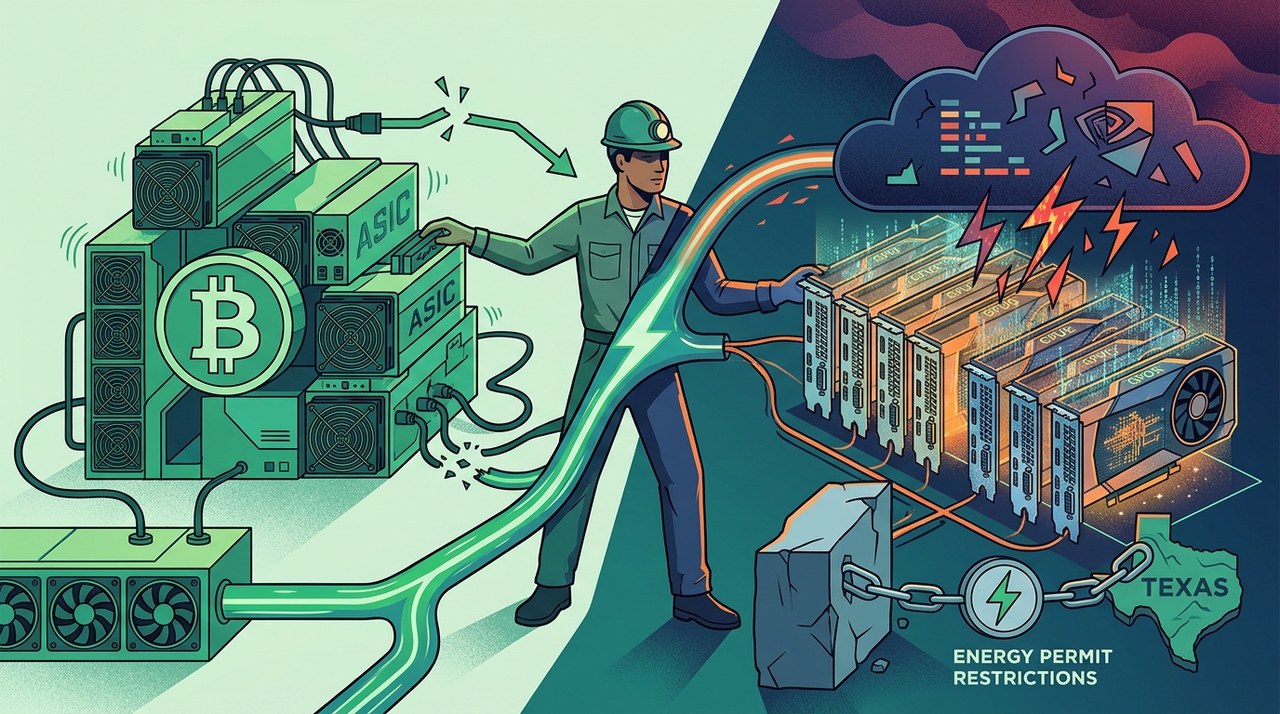
Nvidia Turmoil Tests Bitcoin Miners' AI Expansion
Leadership turbulence at Nvidia and new permit restrictions in Texas are creating a clear divide between funded Bitcoin miners and those seeking capital.
|