
DTCC Plans Solana Expansion for Tokenized Stocks by 2027
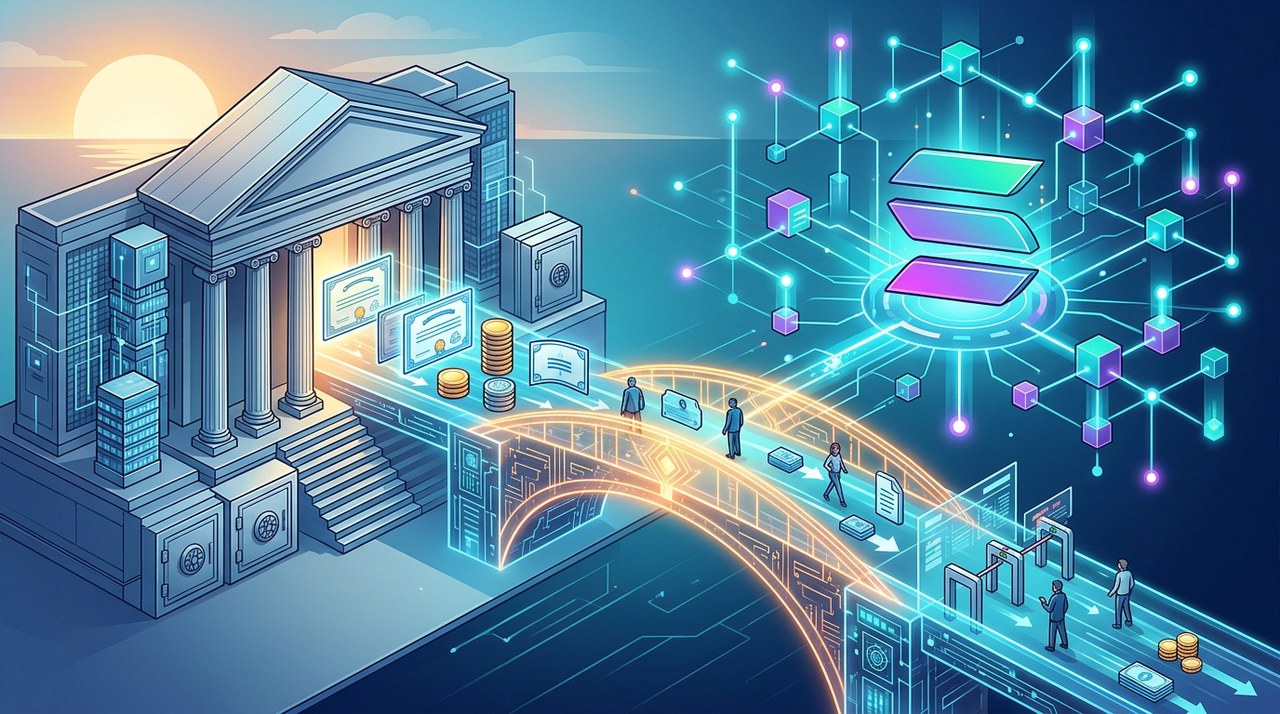
Bridging Wall Street and Blockchain
Imagine buying a share of your favorite company as easily as sending a text message. That is the ultimate goal behind bringing real-world stock trading onto decentralized blockchains.
The Depository Trust & Clearing Corporation (DTCC), which acts as the main securities clearinghouse in the United States, is taking steps toward this digital future. The organization plans to integrate tokenized stock clearing onto the SolanaSOL+7.73% blockchain by the year 2027.
However, industry analysts point out that strict wallet rules and regulatory restrictions could limit how many everyday investors can actually access these features.
While institutional integration of public blockchains marks a historic step forward, strict compliance controls will define who gets to participate.
What Is the DTCC and Why Does It Matter?
To understand the scale of this project, we first need to look at what the DTCC actually does. Think of the DTCC as the ultimate referee and bookkeeper for the United States financial markets.
Whenever an investor buys or sells a stock through a broker, the DTCC works behind the scenes. It makes sure that the buyer gets their shares and the seller gets their money safely.
The DTCC processes trillions of dollars in transactions every single day. Because it holds such a vital role in traditional finance, any technical shift by the DTCC represents a major milestone for the broader financial industry.
Why Did the DTCC Choose Solana?
Solana (SOL) has built a reputation in the crypto world for high speed and very low transaction costs. Traditional financial markets process thousands of transactions per second, so they require networks capable of handling massive volume without slowing down.
Here are a few technical features that make Solana an appealing choice for enterprise tokenization:
- High Throughput: Solana can process thousands of transactions per second.
- Low Transaction Fees: Network gas fees usually cost less than a fraction of a cent per trade.
- Fast Settlement: Transactions settle almost instantly, reducing settlement risk.
- Parallel Processing: The network can execute multiple smart contracts at the same time.
Understanding Tokenized Stocks
Tokenized stocks are digital representations of traditional company shares built on a blockchain ledger. Instead of waiting several days for trades to clear through conventional banking rails, tokenized shares can trade 24 hours a day, 7 days a week.
This technology allows for fractional ownership. This means investors could buy a small fraction of a high-priced share rather than committing to a full share price.
Smart contracts automatically enforce rules like dividend payments, voting permissions, and regulatory restrictions. This automation drastically reduces administrative costs for clearing houses.
The 2027 Timeline: Why the Delay?
A target date of 2027 might sound far away in the fast-moving crypto world, but introducing blockchain technology into regulated financial markets requires careful testing.
The DTCC must build secure bridges between existing legacy banking databases and public blockchain ledgers. Ensuring ironclad security, regulatory compliance, and system reliability takes time.
During this multi-year window, financial institutions will test pilot projects, run simulations, and refine smart contract code before deploying real financial settlement systems live on-chain.
The Big Catch: Wallet Restrictions and Compliance
While the technology is exciting, market analysts emphasize that access to these tokenized stocks will likely be tightly controlled due to regulatory requirements.
Traditional securities laws require strict Know Your Customer (KYC) and Anti-Money Laundering (AML) verifications. An anonymous, permissionless Web3 wallet will not be able to interact directly with DTCC tokenized assets.
Instead, access will likely be limited to whitelisted wallets operated by approved financial institutions, brokerages, and verified accredited investors.
This means everyday self-custody wallet users might not be able to trade these tokenized stocks directly on decentralized exchanges (DEXs) without going through heavy identity checks first.
Potential Impacts on Solana and the Market
The prospect of major clearing infrastructure operating on Solana highlights growing interest in real-world asset (RWA) tokenization across public blockchains.
If tokenized trading succeeds and regulatory pathways clear up, transaction volume on Solana could see sustained long-term growth. However, if regulatory compliance creates too much friction or wallet policies become too restrictive, retail usage and network activity may remain lower than anticipated.
Investors interested in monitoring network metrics and price trends can check price charts on bitkub.com/th/market/SOL. Past performance of digital assets is not an indication of future returns.
Looking Ahead to the Future of On-Chain Trading
The DTCC's planned Solana expansion represents a significant step forward in uniting traditional capital markets with public blockchain networks.
While technical development moves forward toward 2027, the ultimate success of tokenized securities will depend on how regulators, clearinghouses, and retail investors adapt to compliance-restricted digital wallet standards.
Latest blog posts
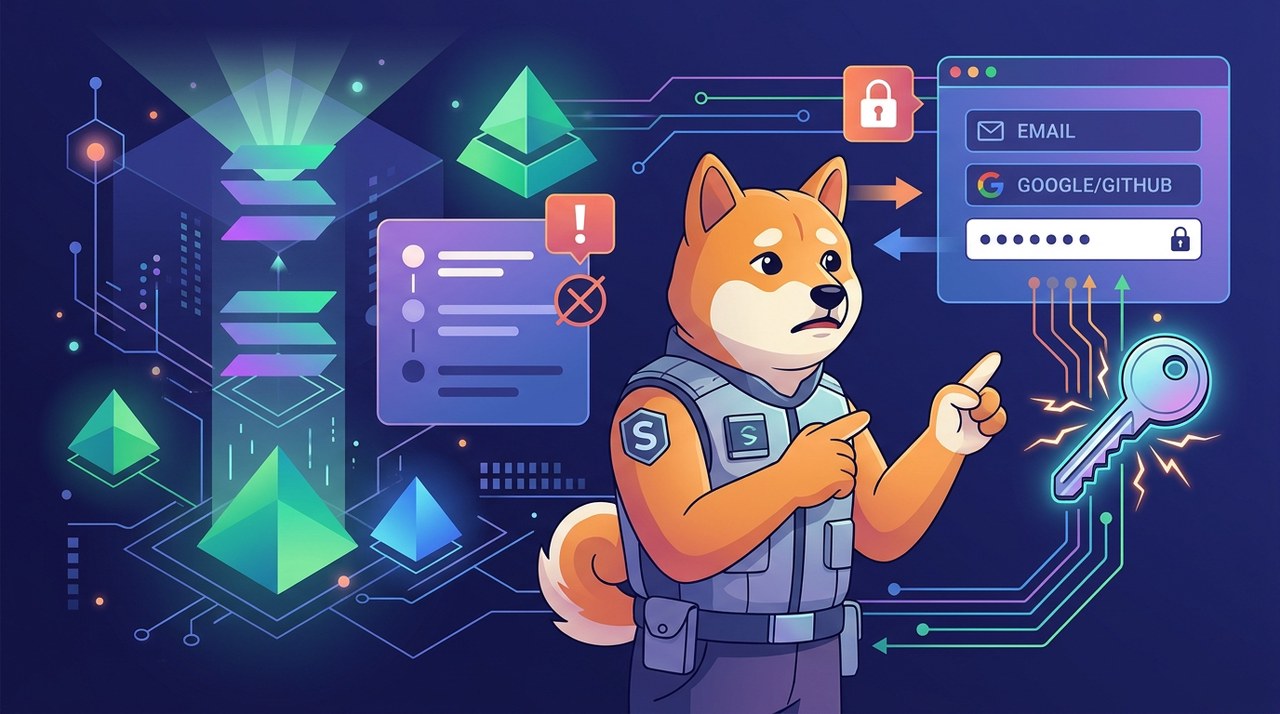


SHIB Developer Warns Against Pump.Fun Key Request
Solana memecoin platform Pump.fun is changing its login process, prompting safety warnings from Shiba Inu developer Mazrael over private key security.
|


Nvidia Leadership Shakeup Triggers $440M Crypto Short Squeeze
Jensen Huang's sudden return as Nvidia CEO boosted tech shares and sparked a Bitcoin surge toward $64,000, liquidating $440 million in crypto trades.
|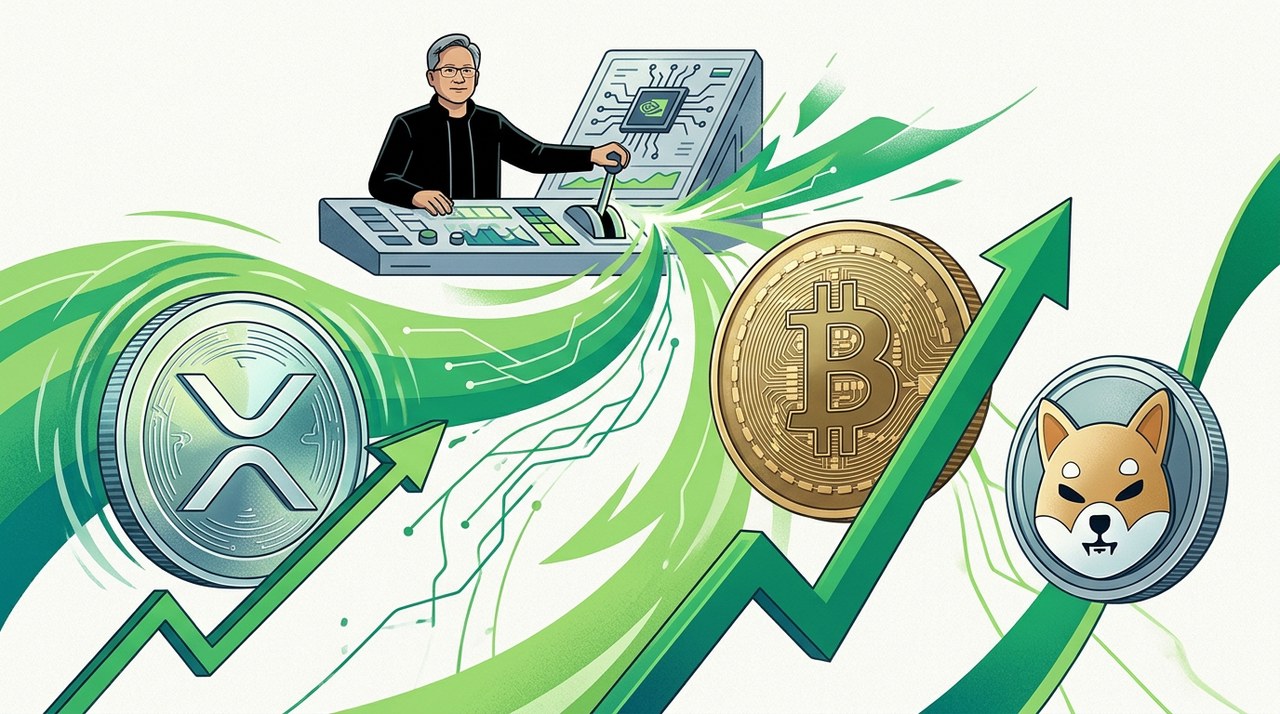

XRP, BTC, and SHIB Surge as Nvidia Reinstates CEO Jensen Huang
Major cryptocurrencies rallied following Nvidia's surprise decision to reinstate Jensen Huang as CEO after recent tech sector volatility.
|