

Crypto User Loses $600K From Trezor Wallet on iPhone 17

A $613,000 Crypto Mystery: How Did Cold Storage Fail?
A cryptocurrency holder recently lost over $613,000 from a wallet setup. This incident occurred despite the owner taking routine security precautions.
Blockchain data shows that every transfer carried a valid cryptographic signature. In crypto, only the private keys of a wallet can produce these valid approvals.
That leaves two main possibilities. Either the private keys leaked, or the hardware device signed the payments. Yet, the owner claims they never approved any transaction.
Inside the Drain: Trezor Safe 7 and the Exodus Wallet
Blockchain intelligence platform Solid Intel (@solidintel_x) first reported details about the incident on November 23, 2026. The compromise impacted assets linked to a single smartphone.
The victim had paired a Trezor Safe 7 hardware wallet with an iPhone 17 Pro Max. The same phone also ran an Exodus mobile wallet app containing extra funds.
Analytics firm Onchain Lens investigated the transaction activity across the affected accounts. They reported that TetherUSDT+0.00% on the TRONTRX+2.73% network made up about 95% of the total $613,000 drained.
Analyzing the Unauthorized On-Chain Transfers
Many crypto scams trick users into signing malicious smart contract allowances. However, investigators found that this attack did not use old spending permissions.
An analysis by Onchain Lens revealed that a disputed 49,999 USDT transfer executed directly under the primary account owner authority.
The victim says the seed was never stored digitally and no transactions were approved.
This account raises serious questions about how signed transactions occurred without the victim's knowledge or consent.
Was the iPhone 17 Pro Max Bluetooth Link Vulnerable?
The Trezor Safe 7 is Trezor's first model equipped with Bluetooth capabilities. Because it connects wirelessly to phones, analysts looked closely at the connection.
Trezor states that its wireless chip is isolated from the main key environment. According to Trezor, even a compromised Bluetooth link cannot move funds on its own.
However, timing added context to the investigation. On November 9, Apple released iOS 27.2.1, which was the operating system version on the victim's phone.
That iOS update contained a patch for a Bluetooth security issue.
An attacker in Bluetooth range may be able to corrupt process memory.
Despite the patch details, Onchain Lens stated it found no confirmed connection between that iOS Bluetooth bug and the theft.
Supply Chain Security and Physical Package Integrity
Another area of concern for hardware wallet owners is supply chain security. A device modified before delivery could leak sensitive key data.
Last month, Trezor strengthened its supply chain procedures following a package tampering scare involving competitor Ledger. That incident involved modified shipping boxes.
In this specific incident, the victim reported that their Trezor Safe 7 box arrived intact and completely sealed.
As of now, neither Trezor nor Exodus has published an official statement about the case.
Best Practices for Hardware Wallet Security
Hardware wallets are designed to protect private keys from online threats. However, digital asset self-custody always involves technical risk and ongoing vigilance.
Users looking to safeguard their digital assets should keep several key practices in mind:
- Store secret seed phrases strictly offline on physical paper or metal backups.
- Never enter recovery seeds into any website, computer, or mobile app.
- Check hardware wallet screens carefully to confirm details before approving any transaction.
- Keep mobile operating systems and wallet firmware updated with the latest security releases.
- Inspect hardware packaging for evidence of tampering upon initial delivery.
Security researchers continue to monitor on-chain movements related to this address as they work to determine how the unauthorized signatures occurred.
Latest blog posts


Bitcoin Spikes to $64.5K on Nvidia CEO News Then Retreats
Bitcoin briefly jumped to $64,505 following Jensen Huang's return as Nvidia CEO before pulling back to $60,800 on Monday.
|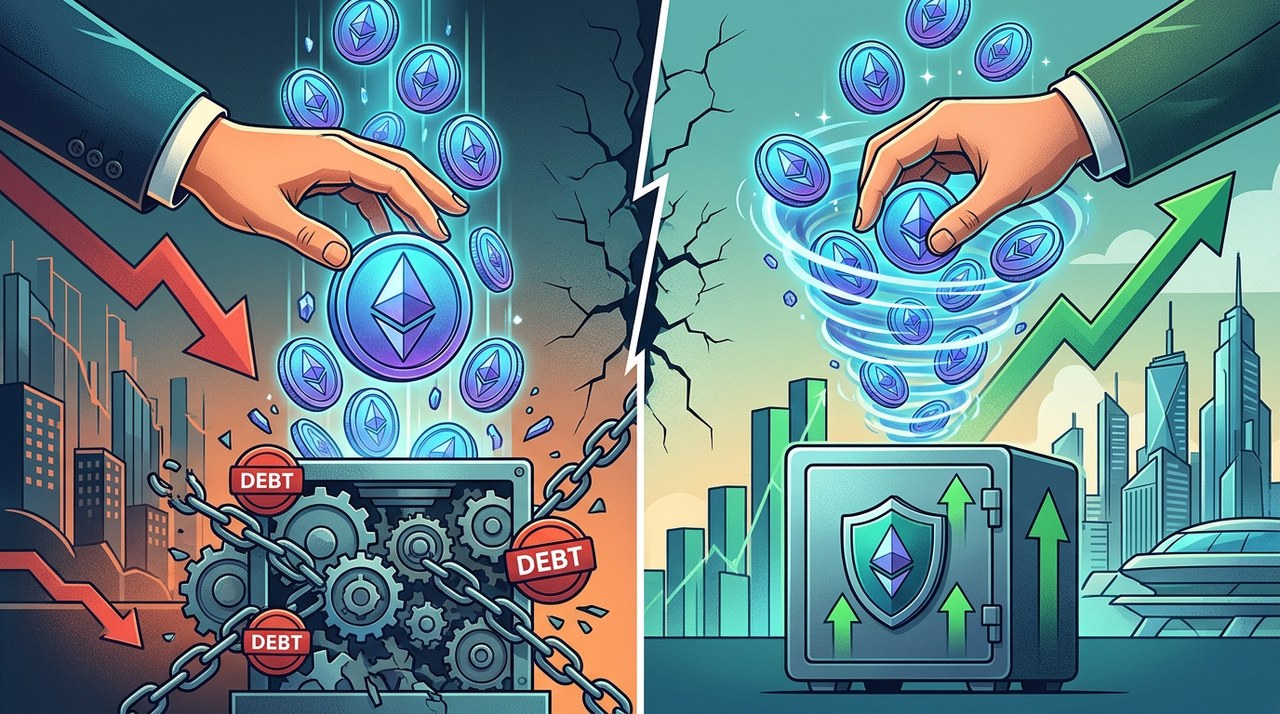

BTCS Sells $44M ETH to Cut Debt as BitMine Adds 7,819 ETH
BTCS offloaded over half its Ether holdings worth $44 million to reduce DeFi debt, while BitMine added 7,819 ETH to its corporate treasury.
|
Base Targets 2027 Quantum Security with Everest Upgrade
Base creator Jesse Pollak announced that the upcoming Everest upgrade will prepare crypto wallets for future quantum threats, alongside ongoing ecosystem updates.
|