Crypto Sector Adapts to Political Shifts in Washington
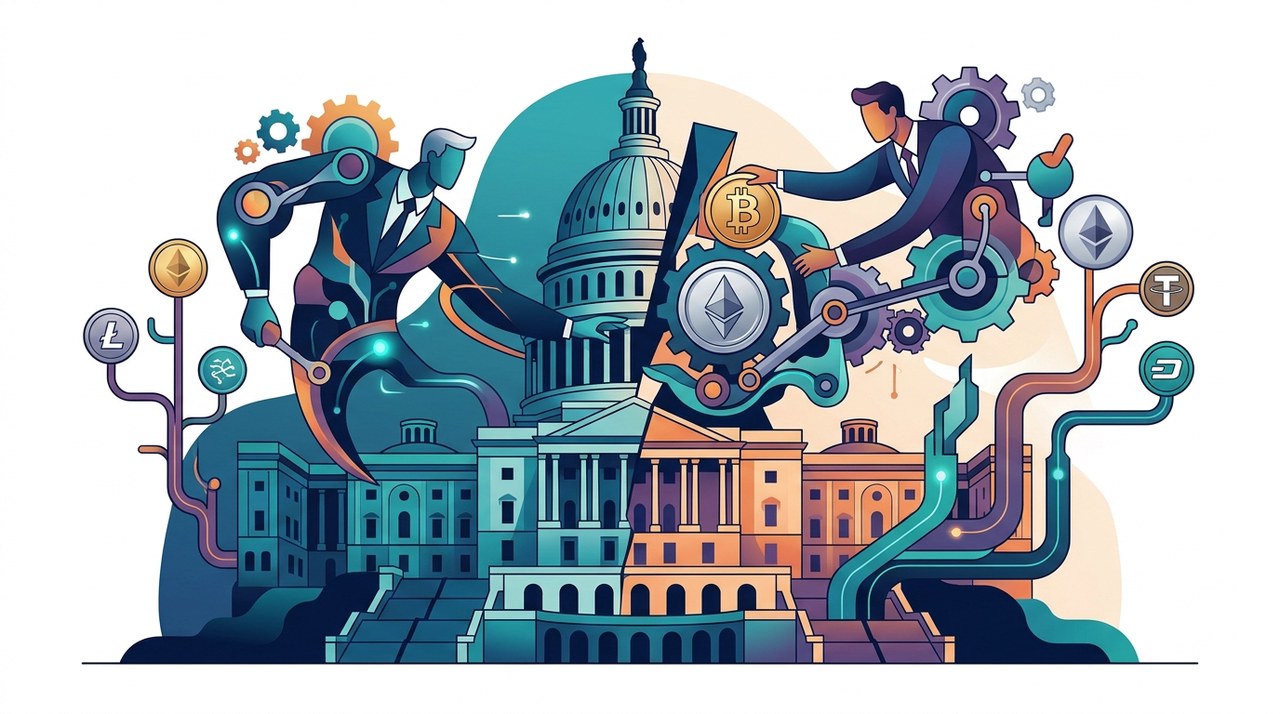
A Changing Political Climate in Washington
For the past two years, the digital asset industry enjoyed what many observers viewed as a relatively supportive legislative environment in Washington. Lawmakers on both sides of the aisle engaged in productive debates surrounding market structure, stablecoin legislation, and tech innovation.
However, recent political shifts in the U.S. Congress are forcing digital asset firms, advocacy groups, and industry leaders to re-examine their long-term Washington strategy.
Why Congressional Leadership Matters for Crypto
Congressional committees hold significant influence over how financial regulations are drafted and implemented. Key panels, such as the House Financial Services Committee and the Senate Banking Committee, set the agenda for digital asset oversight.
Core Regulatory Topics Under Scrutiny
- Market Structure: Defining the boundaries of authority between the Securities and Exchange Commission (SEC) and the Commodity Futures Trading Commission (CFTC).
- Stablecoin Legislation: Creating clear guidelines for issuance, reserves, and consumer protections for fiat-backed digital tokens.
- Anti-Money Laundering (AML): Strengthening compliance obligations for decentralized finance (DeFi) platforms and self-custody wallet providers.
How the Industry is Rethinking Its Strategy
To navigate this updated landscape, industry advocacy groups are shifting their approach from broad policy proposals to targeted educational efforts. Building relationships with newly elected lawmakers remains a key priority.
Political action committees and trade associations are continuing their outreach to emphasize the economic benefits of keeping digital asset innovation within the United States.
Effective policy engagement relies on continuous dialogue, transparent communication, and educating policymakers about how blockchain technology operates.
Market Outlook and Risk Considerations
Policy shifts often introduce periods of uncertainty for digital asset markets. While clearer regulatory rules can foster greater confidence among institutional participants over time, stricter enforcement or compliance requirements may impose additional operational costs on businesses.
Investors should keep in mind that crypto assets remain inherently volatile. Regulatory announcements and legislative debates can lead to short-term price fluctuations across major tokens and the broader market.
What to Watch Next
As the congressional session progresses, key indicators of regulatory direction will include upcoming committee hearing agendas, official legislative introductions, and public statements from committee leadership.
Staying informed on policy developments helps market participants better understand potential legal and operational shifts in the digital asset ecosystem.
Latest blog posts


How Aussie Bitcoiners Can Navigate the 2027 CGT Hike
Australian crypto holders face potential tax increases by 2027. Here is an overview of strategies like SMSFs, company entities, and moving abroad.
|
House Democrats Plan New Crypto Market Structure Bill
U.S. House Democrats are preparing a broad crypto regulation bill for 2027 that could expand SEC oversight and set strict ethics rules for officials.
|


 +1
Ripple's $2.6B Stablecoin RLUSD Grows Faster on Ethereum Than XRP
Ripple CEO Brad Garlinghouse wants RLUSD on the XRP Ledger, but data shows two-thirds of its supply currently sits on Ethereum.
|