


Crypto Is Expanding How We Put a Price on Everything
A Major Shift in What Crypto Is Building
When the crypto movement first started, the main goal was simple: create completely new digital assets. First came BitcoinBTC-3.28% and its early variations, followed by EthereumETH-4.13% and competing smart contract platforms. Over time, governance tokens, digital collectibles (NFTs), and memecoins followed.
All of these innovations followed the same general formula. Developers created a new digital asset class from scratch and then built a trading market around it.
However, the industry is entering a new phase. According to Annabelle Huang, co-founder and chief executive officer of high-performance blockchain infrastructure firm Altius Labs, crypto's core focus is shifting from creating new assets to building new markets.
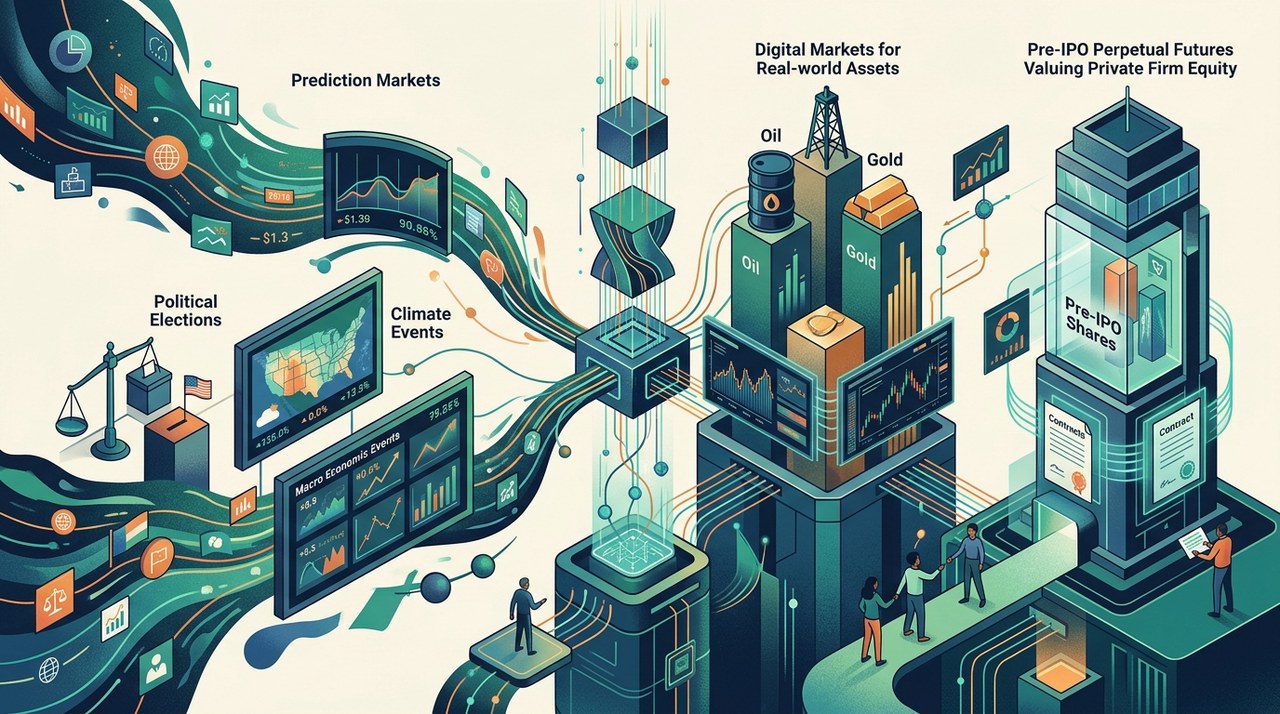
Rather than inventing another token, developers are building continuous, real-time markets around existing real-world things that previously lacked them. We can already see this trend across three major products:
- Prediction markets that allow people to price news, political elections, and macro economic events
- Oil and gold perpetual contracts trading on decentralized platforms like HyperliquidHYPE-4.64%
- Pre-IPO perpetual futures that let traders price private companies long before they list publicly
It turns out that public blockchains are exceptionally good at expanding the range of things we can price. In the long run, this ability to price the real world in real time might matter far more to the future of finance than creating new digital tokens.
Turning Global Attention Into Measurable Markets
Think about how much attention people pay to major events. Presidential elections, inflation reports, commodity price swings, and major corporate milestones dominate global headlines every day.
The crypto industry is tapping into this reality by recognizing that human attention has economic value. If millions of people care about a particular development, there is natural demand for a market that tracks what people expect to happen.
Blockchain technology allows individuals anywhere in the world to turn passive observation into active market participation. Instead of simply watching events unfold on the news, participants can contribute to a market-based assessment of what those events are worth or how likely they are to occur.
This expands the scope of what can become measurable. Categories of human activity that were previously discussed only qualitatively can now be quantified through continuously updated prices.
Price Discovery as the Main Product
Traditional finance usually views price discovery as a secondary byproduct of trading activity. Investors buy and sell stock in a company, and a market price naturally emerges as a consequence.
Crypto flips this concept around. Modern blockchain products increasingly treat price discovery as the primary product itself.
Consider pre-IPO perpetual futures as a clear example. Most traders using these contracts will never actually own real equity in the private tech company. They do not get shareholder voting rights or direct claims on corporate profits. Yet, traders place great value on having a real-time signal that shows what the market thinks the company is worth right now.
In this setup, the market becomes an information engine. The price is not merely an accidental byproduct of trading; it is the primary output.
How 24/7 Markets Compare to Old Finance
Traditional financial markets operate on rigid, limited schedules. Even for publicly traded stocks, trading and price discovery only occur during standard business hours. Private companies are in a tougher spot, getting repriced only during sporadic fundraising rounds or valuation exercises.
When major news breaks overnight or over the weekend, conventional markets cannot react right away. Information builds up behind closed doors until the next formal trading session opens.
Blockchain-based markets solve this delay by running continuously 24 hours a day, 7 days a week. They can absorb fresh information the moment it emerges, creating a much more responsive mechanism for assessing value.
Beyond continuous uptime, blockchain markets offer far greater accessibility. Traditional private equity trading typically requires official investor accreditation, deep pockets, and special industry relationships. Crypto changes this dynamic by allowing anyone with an internet connection to express a market view.
When you view markets as engines for collecting and processing information, expanding participation directly improves the accuracy and quality of that price data.
Why Financial Exposure Is Often Enough
Holding a perpetual derivative contract tied to a private tech firm is not identical to owning physical shares. There are no corporate governance rights or cash-flow claims attached.
However, global financial markets have shown for decades that investors often care more about getting price exposure than owning physical assets. This exact dynamic is what drove the massive multi-trillion-dollar growth of global derivatives markets.
Investors frequently want an efficient way to express a market view without taking on the administrative burden of physical possession. Blockchain technology provides an optimal rail for providing that pure exposure.
The Tech Infrastructure Needed to Scale
If blockchain's primary long-term value lies in answering 'what is this worth right now?' on a global scale, the underlying technology faces heavy demands. Creating seamless global markets requires much more than launching a basic token contract.
Informational pricing markets only function well when participants can trade fast and cheap. Transaction throughput, processing latency, liquidity depth, and uptime reliability become essential requirements.
Many public blockchains still face infrastructure bottlenecks that disrupt price signals and restrict participation. If crypto is to become the world's main price discovery engine, networks must continue improving to support high-frequency trading environments, institutional risk management tools, and deep liquidity pools.
Market Wrap-Up: Key Headlines Across the Industry
Alongside these structural discussions around price discovery, several notable developments unfolded across the broader crypto landscape:
Venture Deals and Strategic Expansion
Founders Fund, the venture firm backed by Peter Thiel, led a $5 million token purchase in Anvil, a protocol focused on crypto collateral management.
Major crypto exchange OKX secured investments from financial heavyweights including Standard Chartered, Circle, and RippleXRP-3.44% as it expands beyond core exchange services. OKX is also developing tools to abstract away backend blockchain mechanics, making stablecoin balances easy to use for everyday consumers.
Stablecoins and Regional Developments
Layer-2 scaling network Arbitrum joined the Paxos-led Global Dollar initiative to expand adoption of the USDG stablecoin.
In regulatory research, a report published by CoinDesk Research and commissioned by Ripple highlighted the Asia-Pacific (APAC) region as a primary proving ground for regulated stablecoins. The report detailed evolving local frameworks, real-world utility, and the deployment of Ripple's RLUSD.
Bitcoin Price Action and Market Dynamics
Bitcoin continues to trade in a consolidation range near $85,000, while traditional equity markets notch new record highs.
Looking at broader historical price action, Bitcoin remains down roughly 32% from its all-time high of $126,000 recorded a year earlier. Past performance of digital assets is not an indicator of future results.
While Bitcoin stays range-bound around $85,000, several smaller altcoins have outperformed. Meanwhile, bond market volatility indicators (often called the VIX of bonds) have been rising, though crypto and stock markets have not yet reflected those bond market signals.
Global Tech Competition and Enforcement
In global tech news, the US-China artificial intelligence competition continues to escalate. Chinese AI contenders secured billions in capital ahead of planned public offerings.
Finally, in legal news, a self-styled 'Godfather' received a 6-year prison sentence for participating in a $37 million Meta-related fraud scheme.
Latest blog posts
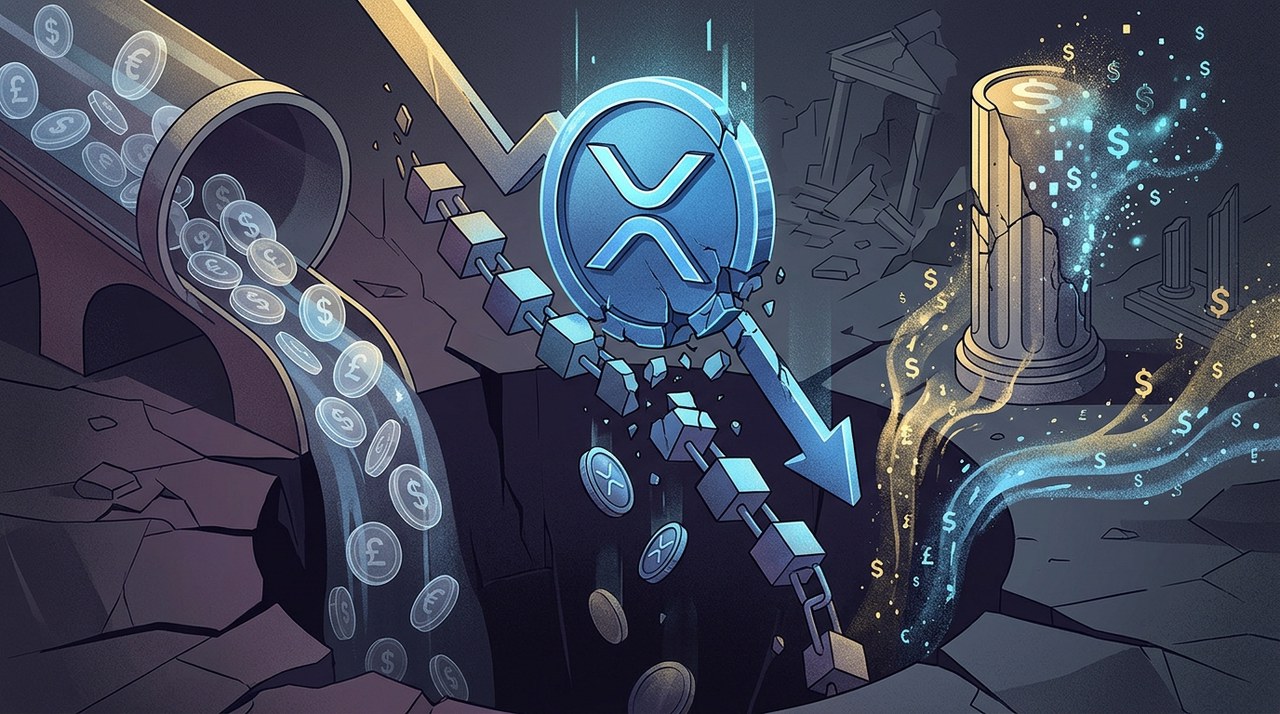
XRP Drops to Lowest Level Since November 2024 Amid Outflows
XRP fell to its lowest point since November 2024 as institutional ETF outflows and shrinking stablecoin liquidity placed pressure on the broader crypto market.
|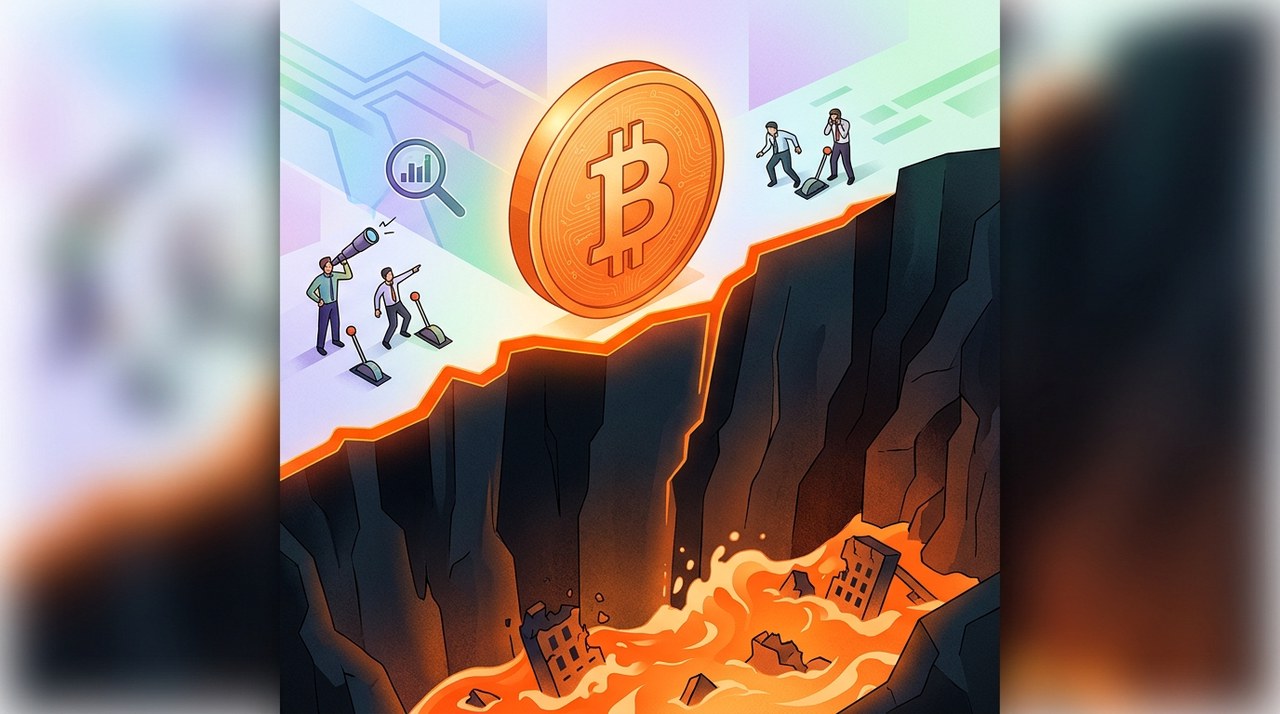
Bitcoin Faces $60K Liquidation Risk as Glassnode Warns
Bitcoin faces selling pressure near the $60,000 mark as Glassnode reports key leverage liquidation clusters and shrinking market liquidity.
|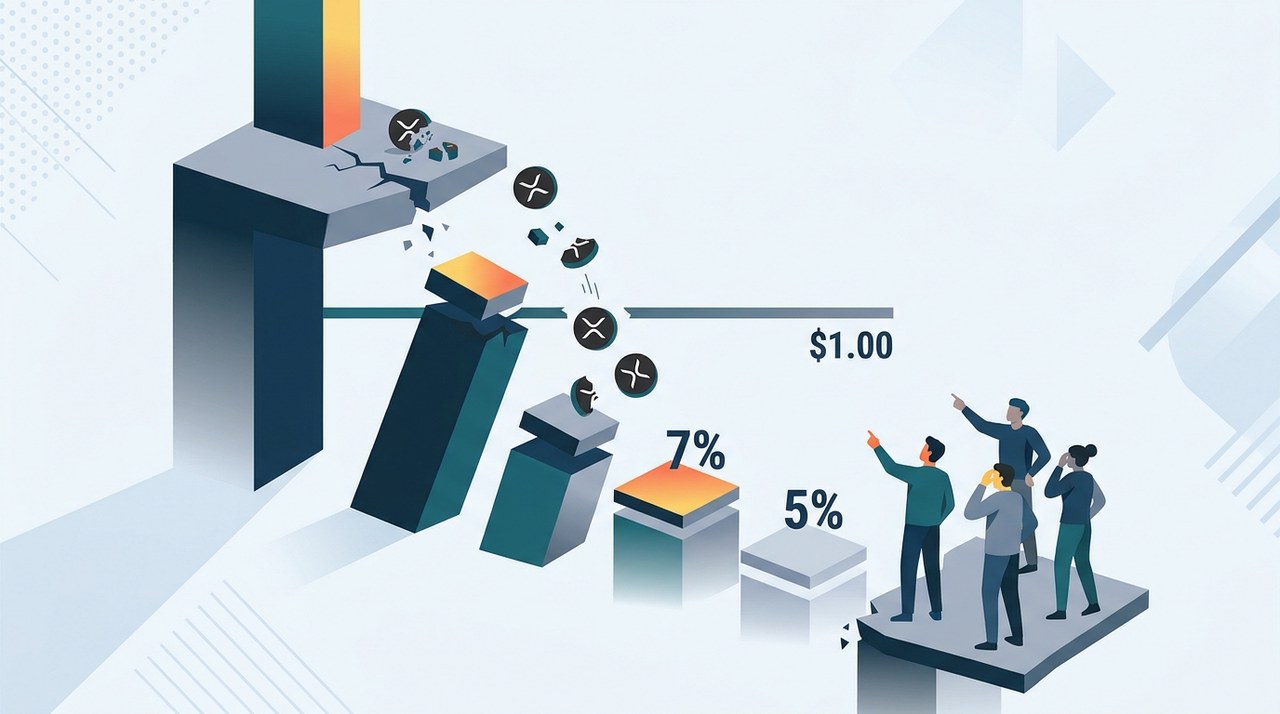
Kalshi Traders See Low Odds for XRP Recovery Above $1.30
XRP has slipped below the key $1 level, leading prediction market traders on Kalshi to lower their expectations for a major price recovery in November.
|