


Conduit Sues Tether Over $2.76M Frozen USDT Funds
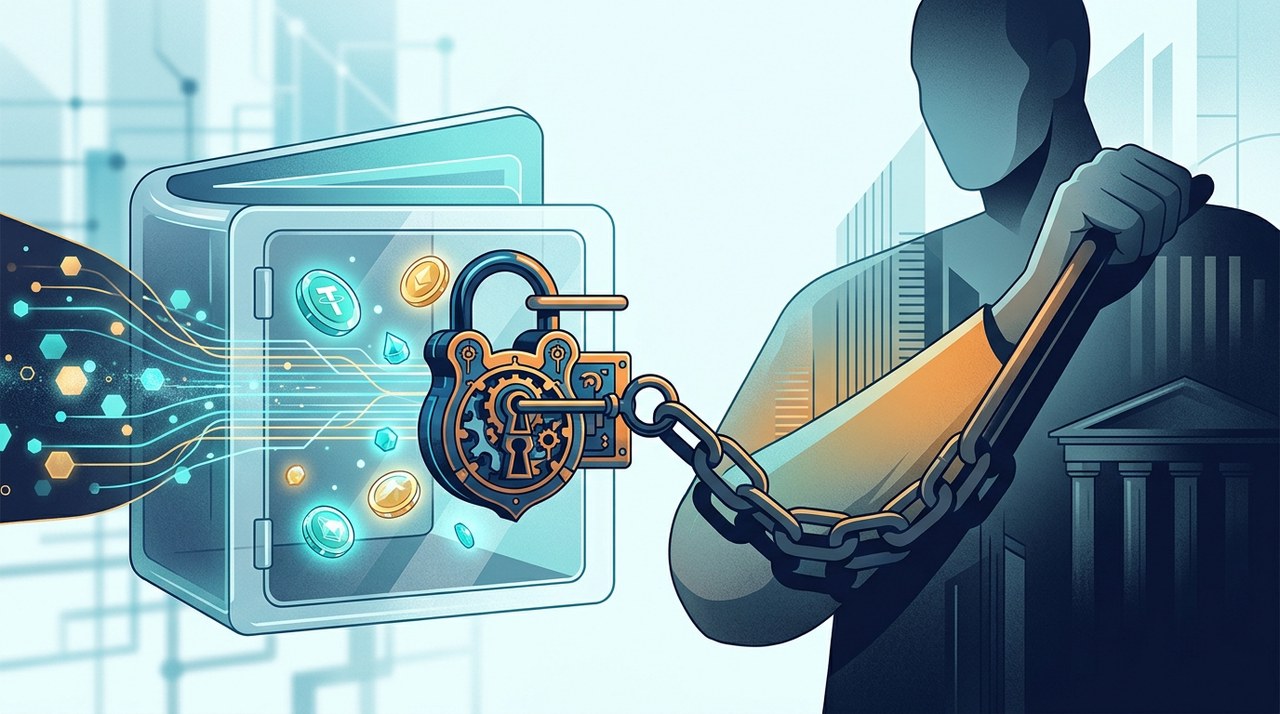
Conduit Takes TetherUSDT-0.38% to Court Over Frozen Millions
Crypto financial platform Conduit has officially filed a federal lawsuit against Tether in New York. The lawsuit alleges that Tether froze $2.76 million worth of USDT belonging to Conduit for over a year without giving any explanation.
In its legal filing, Conduit states that Tether has no legal entitlement to retain or restrict these digital assets. The case draws new attention to how centralized stablecoin issuers manage frozen funds and interact with clients.
Understanding the Dispute Between Conduit and Tether
Imagine depositing money into a bank, only to find your account locked the next morning. You reach out for an explanation, but customer support provides no reason for the freeze.
This scenario describes what Conduit claims happened with its Tether account. According to court documents, Tether restricted access to $2.76 million in USDT held by Conduit.
What makes Conduit particularly frustrated is the prolonged timeframe. The funds have remained completely locked for more than twelve months without a formal justification.
Conduit alleges in New York federal court that Tether froze $2.76 million of its funds for over a year without explanation, stating Tether has no legal entitlement to the funds.
How Tether Freezes Digital Assets
Unlike decentralized cryptocurrencies like BitcoinBTC-3.01%, stablecoins like USDT operate with central administrative controls. Tether issues USDT on various smart contract blockchains, including EthereumETH-2.79% and TronTRX-2.01%.
Built into Tether's smart contract code is a mechanism known as a blacklist function. This feature allows Tether to block specific wallet addresses from executing transfers.
When Tether blacklists a wallet address, the tokens stored in that address cannot be moved or swapped. They remain locked until Tether removes the restriction.
Tether typically uses this freezing capability in cooperation with law enforcement agencies, court orders, or during regulatory investigations into illegal activities.
Why This Lawsuit Matters to the Crypto Industry
Tether's ability to freeze funds is a key compliance tool for stopping illicit financial flows. However, the mechanism also presents significant operational challenges for businesses.
When funds are frozen without clear communication or due process, companies can experience major liquidity issues and business disruptions.
- Unexplained freezes leave affected parties without clear pathways to resolve compliance issues.
- Extended fund freezes can create operational hardship and liquidity strain for digital asset firms.
- Legal outcomes from this case may define clearer boundaries for stablecoin administrative controls.
Managing Centralized Asset Risks
Stablecoins like USDT aim to maintain a stable value pegged to traditional currencies like the US dollar. They play a fundamental role in global crypto trading and cross-border settlement.
However, users and institutions holding centralized stablecoins must remain aware of counterparty and operational risks.
Unlike permissionless crypto assets, centralized stablecoins depend directly on the decisions and regulatory obligations of their issuing companies.
Past performance or asset stability does not guarantee future outcomes or constant liquidity access. Interested market participants can review asset performance and real-time market data directly at bitkub.com.
What Lies Ahead in the Legal Process
The lawsuit is currently progressing through the United States District Court for the Southern District of New York.
Tether will have the opportunity to present its legal defense and explain the grounds for its action in court.
The judge will evaluate whether Tether acted within its user agreement rights or if it must release the $2.76 million to Conduit.
As global digital asset regulations continue to develop, this court decision could establish key guidelines for stablecoin governance and asset freezes.
Latest blog posts

South Korea Regulators Require Bank Ownership for Stablecoins
South Korean regulators have resolved months of debate by requiring commercial banks to hold over 50% ownership in any stablecoin issuing venture.

Elon Musk's SpaceX and Tesla Form Committees for Potential Merger Talks
SpaceX and Tesla have reportedly selected five independent directors to lead special committees negotiating a potential merger between the two companies.
|


Shiba Inu Community Builds Shibarium Explorer Amid Silence
Shiba Inu builders released a new Shibarium block explorer while lead developer Shytoshi Kusama remains silent on social media.
|