
Coldcard Details How 5-Year Flaw Missed Security Checks
Coldcard Explains Multi-Year Security Oversight
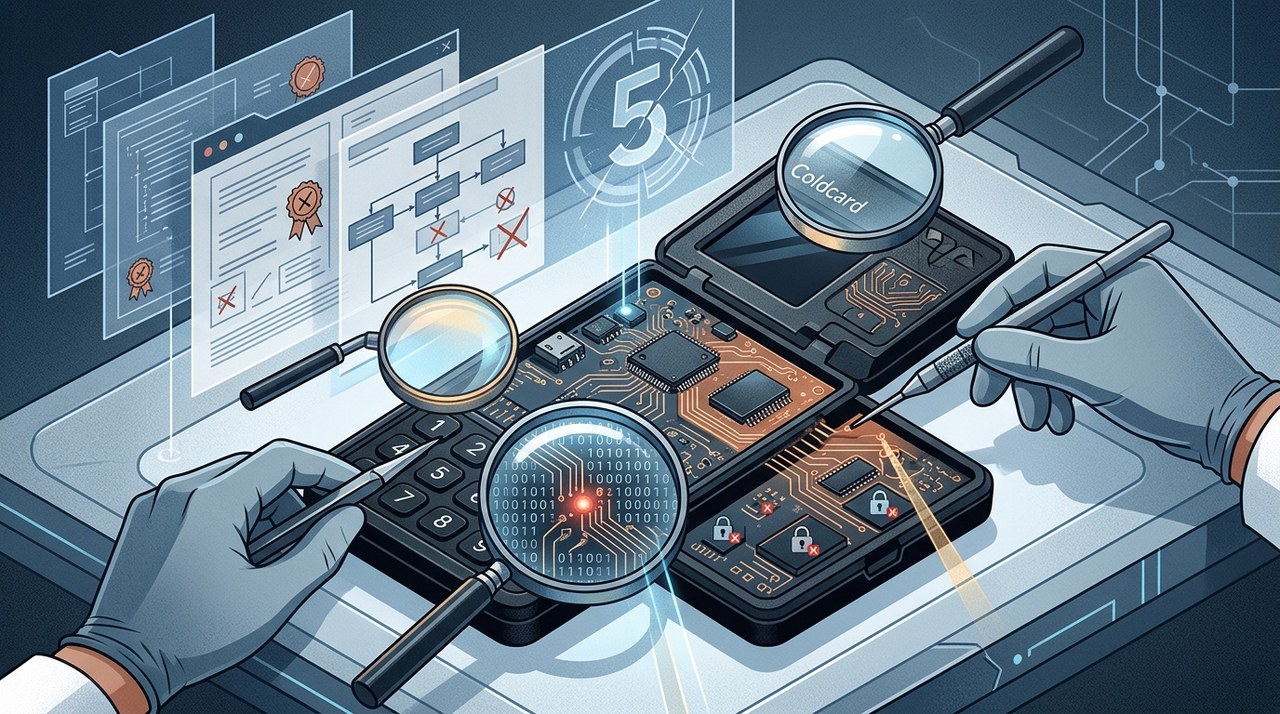
BitcoinBTC-3.12% hardware wallet maker Coinkite has publicly addressed a long-standing security vulnerability in its popular Coldcard devices. The flaw went completely undetected across multiple professional security reviews for more than five years.
Coinkite recently detailed why years of security checks failed to identify the vulnerability. The company explained that the specific nature of the code path made it difficult for auditors to spot during standard testing procedures.
The Question of Customer Compensation
Beyond clarifying how the security reviews missed the bug, Coinkite addressed potential user reimbursement. The company stated that it has yet to decide on compensation for affected customers.
As a result, impacted Coldcard users are currently waiting for official updates regarding potential compensation plans or remediation programs from the hardware manufacturer.
How Can Security Audits Miss Bugs for Five Years?
It might sound surprising that a major flaw survived half a decade of security reviews. However, auditing complex cryptographic hardware is an intricate process.
Security audits evaluate code against known threat models at a specific point in time. When firmware code grows and features expand, obscure logical bugs can remain hidden beneath normal operational layers.
- Audits test specific conditions rather than every possible edge-case combination.
- Complex interaction between hardware chips and software features can conceal hidden vulnerabilities.
- Security reviews rely on human code analysis, which can naturally miss unusual edge cases.
Understanding Coldcard and Bitcoin Hardware Wallets
Coldcard is a specialized hardware wallet designed specifically for storing Bitcoin securely. Built by Coinkite, the device emphasizes air-gapped security, meaning it does not need a direct connection to an internet-connected computer to sign transactions.
Instead, users typically transfer transaction data using microSD cards or encrypted NFC signals. Because Coldcard is widely used by advanced Bitcoin holders, any security oversight attracts significant attention across the industry.
Best Practices for Hardware Wallet Users
Maintaining device security requires consistent upkeep. If you store your digital assets using a dedicated hardware wallet, following routine security hygiene is essential.
- Always download firmware updates directly from the manufacturer's official website.
- Verify firmware signatures before installing software updates on your hardware device.
- Store your recovery seed phrase offline in a secure, fireproof location.
- Never type your seed phrase into a computer, smartphone, or online website.
- Subscribe to official security advisory channels from your wallet maker.
Navigating Self-Custody and Security Risks
Self-custody gives users full ownership of their private keys, removing reliance on centralized exchanges. However, managing your own funds shifts technical responsibility directly onto your shoulders.
While hardware wallets offer robust defense against remote hacking, no code is entirely risk-free. Digital asset markets carry technical and operational risks, making continuous education and caution vital for every investor.
Summary of Key Developments
- Coinkite revealed how a Coldcard flaw went unnoticed by security checks for over five years.
- The company detailed the reasons why previous audits failed to uncover the issue.
- Decisions regarding customer compensation for affected users have not been finalized.
- Coldcard users should ensure their device firmware is updated to the latest release.
Latest blog posts


$9B Wealth Manager Arkadios Discloses XRP ETF Stake
Arkadios Wealth Advisors and Susquehanna revealed significant XRP ETF positions in their latest SEC filings, reflecting ongoing institutional interest.
|

CFTC Crypto Reserve Guidance: What It Means for You
The US CFTC released updated guidance on digital asset reserves, clarifying collateral rules for institutional crypto trading.
|

Microsoft Issues Code Red After Major 24-Hour Outage
Microsoft has triggered an urgent internal Code Red alert to overhaul service reliability following a major 24-hour outage affecting Outlook and Teams.
|