
CleanSpark Sells More Bitcoin Than Mined to De-Risk Books
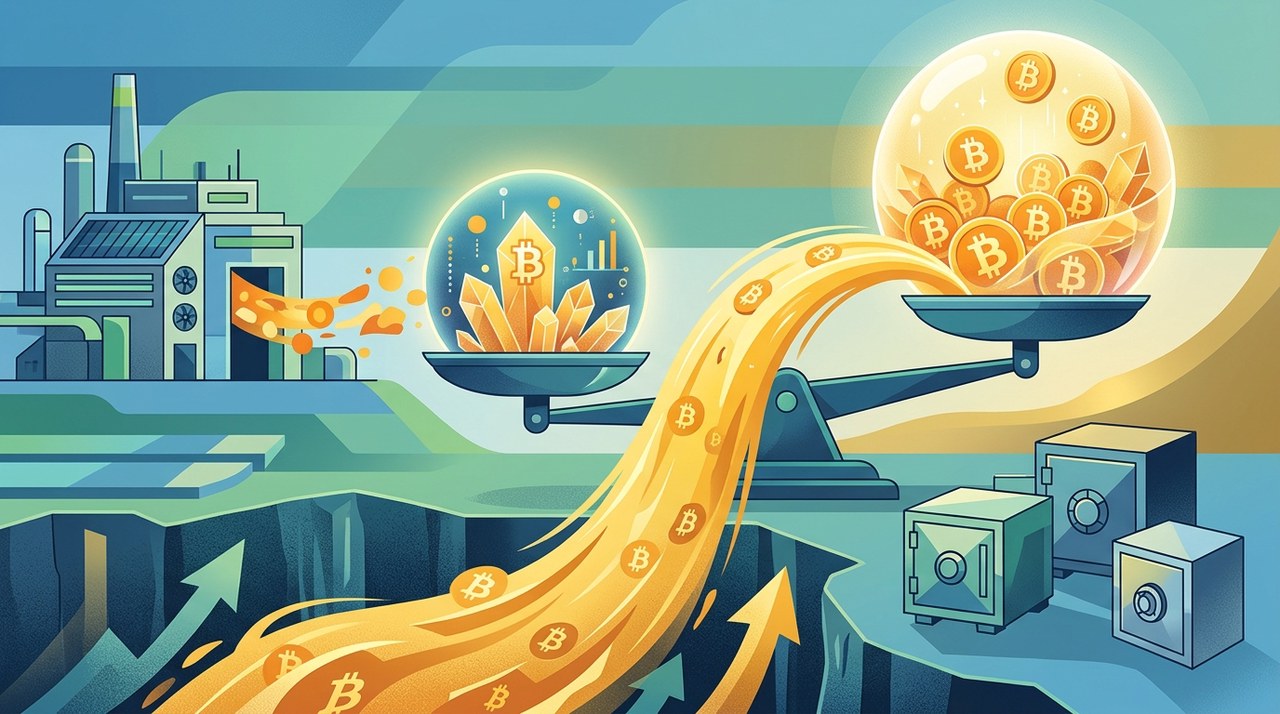
CleanSpark Adjusts Strategy by Selling More BTCBTC-3.08% Than Mined
CleanSpark, a major Bitcoin mining company, recently made a notable adjustment to its treasury management strategy. During the September quarter, the firm sold 2,102 Bitcoin (BTC) while producing 1,708 BTC during the exact same timeframe.
By selling more Bitcoin than it actually mined, CleanSpark drew down on its existing crypto holdings. Company management indicated that this strategy is designed to de-risk its financial position amidst changing market conditions.
Breaking Down the Quarterly Numbers
To understand the scope of CleanSpark's decision, it helps to look directly at the numbers from the quarter:
- Bitcoin Produced: 1,708 BTC mined over the quarter
- Bitcoin Sold: 2,102 BTC liquidated during the period
- Net Reduction: 394 BTC drawn directly from reserve holdings
In previous market cycles, many mining companies preferred to keep every Bitcoin they produced on their balance sheet. However, running a commercial mining operation requires significant cash flow for daily operational costs, infrastructure upgrades, and power bills.
Why Do Mining Companies Choose to De-Risk?
Bitcoin mining is a capital-intensive business with ongoing expenses. Mining operations face continuous competition from rising network difficulty, changing electricity costs, and broad market price movements.
Liquidating a portion of stored crypto reserves allows companies to secure fiat cash reserves. This liquidity can be used for several strategic purposes:
- Funding Capital Upgrades: Purchasing new, highly efficient mining hardware.
- Covering Operations: Meeting utility costs and debt service requirements directly.
- Building a Cash Cushion: Reducing financial vulnerability during potential market downturns.
While selling reserves boosts cash liquidity, it also means holding fewer digital assets on the balance sheet if market prices rise in the future.
Evolving Treasury Management in the Mining Sector
CleanSpark's actions reflect a broader trend across the Bitcoin mining industry. Today, institutional miners are adopting more active corporate finance strategies rather than relying strictly on long-term holding.
Balancing liquidity needs with Bitcoin holdings has become a key priority for institutional miners operating in a competitive landscape.
Evaluating Market Scenarios
Financial analysts evaluate corporate treasury changes under different market conditions:
- Upside Market Scenario: If Bitcoin prices appreciate significantly, selling early reduces potential capital gains on held assets, though the business gains operational security.
- Downside Market Scenario: If market prices experience a decline, holding larger cash reserves protects the firm from cash flow constraints and avoids distressed asset sales during market lows.
- Neutral Market Scenario: If prices remain in a steady range, predictable cash flow allows the company to fund ongoing hardware modernizations without taking on excessive debt.
Summary for Market Observers
CleanSpark's quarterly results offer an interesting look into how institutional operators manage digital asset reserves against real-world operational costs. Managing risk remains a fundamental aspect of corporate crypto mining operations.
Past performance of digital assets is not an indication of future results. Investors can follow asset performance and market updates on Bitkub Market.
Latest blog posts

Jim Cramer and Tom Lee Buy the AI Stock Dip
Prominent commentators Jim Cramer and Tom Lee view the recent tech pullback as a buying opportunity, despite over $1 trillion in market losses.

AI Stock Sell-Off Slams SoftBank, Samsung, and SK Hynix
Asian technology and semiconductor shares faced a sharp downturn on Wednesday, with SoftBank dropping 10% alongside major pullbacks in Samsung and SK Hynix.
|

Ethereum Doubles Security Team Over Rising AI Threat Concerns
The Ethereum Foundation has doubled its security team to address AI threats, which researchers view as more urgent than quantum computing risks.
|