
Chase Outage Disrupts US Banking: Hardware Bug to Blame
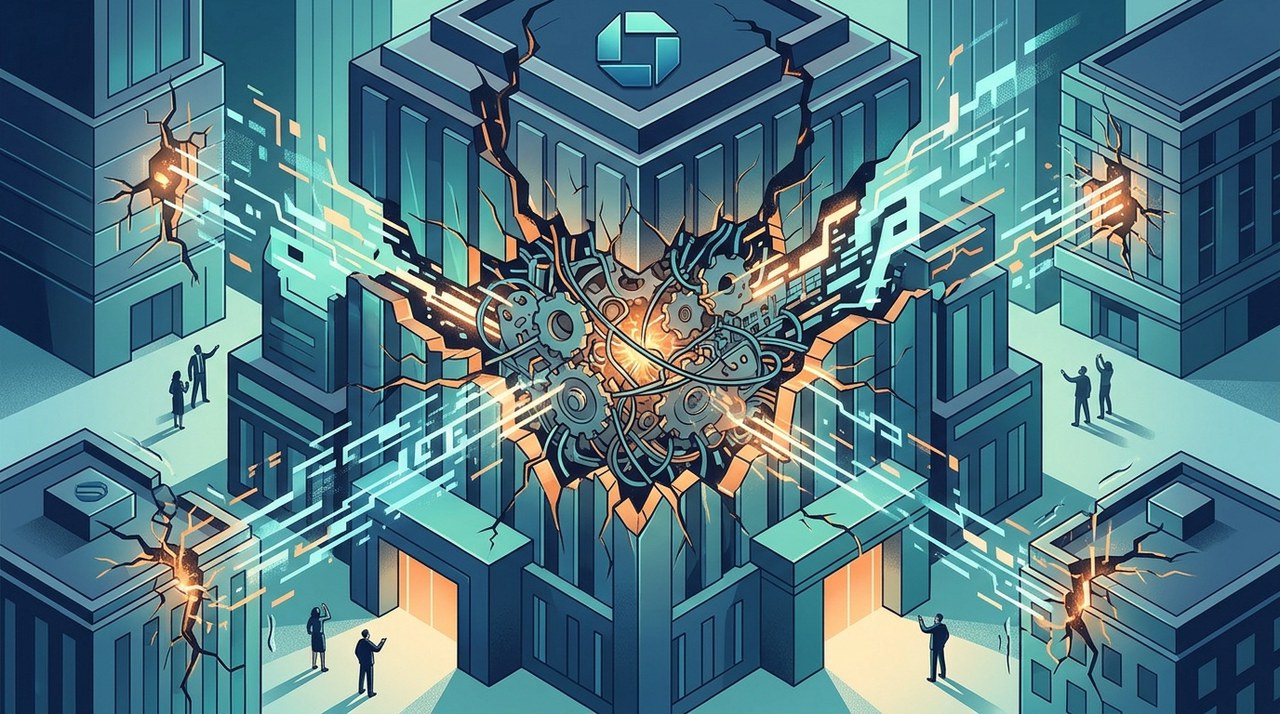
What Happened at Chase Bank?
Imagine trying to pay your bills or check your account balance, only to find your banking application will not open. That was the frustrating reality for thousands of bank customers across the United States on Monday.
JPMorgan Chase experienced a widespread technical outage that disrupted core digital banking services. The unexpected system glitch did not just affect Chase customers. It also delayed payments for people using several other major financial institutions.
The Cause: A Bug in On-Site Hardware
When a massive financial institution goes offline, public concern about malicious hackers naturally rises. However, Chase promptly issued a statement to clarify the situation.
The bank confirmed that the outage was caused by a software bug inside an on-site hardware system. Crucially, Chase emphasized that the issue was completely technical and was not linked to any cyberattack or security breach.
Chase confirmed the outage stemmed from an internal hardware system bug and was not connected to a cyberattack.
Why One Bank's Glitch Affected Other Banks
You might wonder why a software problem at Chase would cause payment delays at completely different financial institutions. The explanation lies in how connected modern banking networks are.
JPMorgan Chase is the largest bank in the United States. Because of its massive scale, it handles huge daily volumes of interbank transfers, direct payroll deposits, and wire settlements.
When Chase's internal systems ground to a temporary halt, incoming and outgoing payment queues backed up. This bottleneck created a domino effect across automated clearing houses and settlement pathways throughout the country.
Centralized Systems and Single Points of Failure
This incident highlights a major vulnerability inherent in traditional centralized finance: reliance on specific physical infrastructure.
In centralized institutions, essential data processing runs through concentrated servers and hardware locations. If a primary hardware component suffers a critical glitch, severe service disruptions can occur.
By contrast, decentralized blockchain networks distribute transaction validation across thousands of independent nodes worldwide. If one node or server encounters an error, the remaining network continues operating without stopping the entire flow of payments.
Hardware Reliability and Cybersecurity Focus
Even though this event was caused by an internal hardware bug rather than digital intruders, security and operational resilience remain top priorities for all financial technology platforms.
Both legacy banks and Web3 initiatives—including decentralized identity and security protocols like CYBER—are continuously upgrading systems to prevent downtime and maintain operational integrity.
Whether managing traditional central databases or distributed blockchain protocols, preventing single-point failures is essential for keeping consumer trust intact.
What Customers Can Do During Banking Outages
Technical glitches happen, but knowing how to react helps keep your finances safe during an unexpected outage.
- Avoid repeated submissions: Do not click send multiple times on delayed transfers to prevent accidental duplicate payments.
- Check official status channels: Look for official updates directly from your financial provider rather than unverified social media claims.
- Keep backup options: Maintain a secondary account or alternative payment method for essential daily expenses during emergencies.
Summary
JPMorgan Chase has worked to clear the transaction backlog and fully restore service access. As banking infrastructure becomes increasingly digitized, upgrading system redundancy and hardware reliability will remain critical to maintaining smooth financial operations worldwide.
Latest blog posts


Grok Asked to Verify $1,000 XRP Claim Near $0.90
A viral post on X claiming XRP is secretly worth $1,000 in private markets drew widespread mockery as the token traded near $0.90.
|

Trump Meme Coin Dinner Returns to Low Holder Interest
US President Donald Trump is hosting another dinner for top TRUMP meme coin holders, but lower token prices and shrinking demand have drastically cut entry costs.
|

Can XRP Hit $100? Realities Behind the Recent Lows
XRP recently dropped to $0.86 despite claims of a $100 target. We examine the math, market cap realities, and banking updates.
|