


CFTC Clarifies Rules for Hyperliquid and On-Chain Exchanges
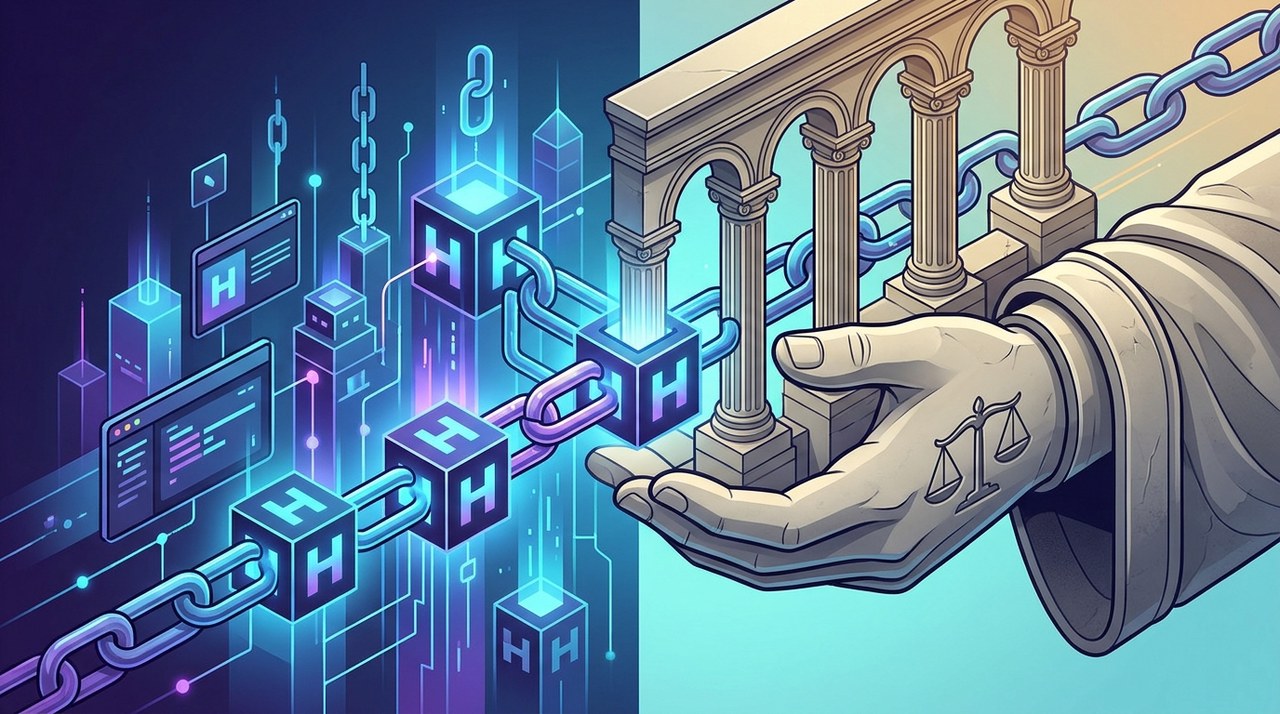
No Special Rules for On-Chain Derivatives, Says CFTC
The United States Commodity Futures Trading Commission (CFTC) has made its position clear regarding decentralized trading platforms. According to the CFTC chairman, on-chain exchanges like HyperliquidHYPE-4.90% do not get a pass from standard regulatory requirements simply because they operate on a blockchain.
If an on-chain platform wants to offer financial derivatives—such as futures or perpetual swaps—to traders located in the United States, it must follow the same legal pathways as traditional financial venues. This statement reinforces that the regulator views digital asset derivatives through the lens of existing federal market laws.
Understanding On-Chain Trading and Hyperliquid
To understand why this statement matters, it helps to look at how on-chain trading platforms work. Traditional centralized exchanges host their order books and user funds on private, centralized servers. In contrast, on-chain platforms run their operations directly on blockchain networks.
Hyperliquid is a prominent example of an on-chain perpetual futures exchange. It relies on custom blockchain infrastructure to execute trades rapidly while maintaining transparency on the ledger. Traders use platforms like Hyperliquid to speculate on token price movements using leverage, without needing a traditional intermediary.
However, the CFTC emphasizes that running code on a decentralized network does not automatically grant immunity from federal oversight when serving U.S. customers.
The Two Compliant Paths for On-Chain Platforms
Based on the CFTC chairman's statement, on-chain derivative venues have two specific choices if they want to grant access to U.S. market participants legally:
- Obtain direct licenses: Platforms can apply directly with the CFTC for the proper registrations, such as becoming a Designated Contract Market (DCM) or a Derivatives Clearing Organization (DCO).
- Partner with registered entities: Alternatively, platforms can collaborate with existing, fully registered exchanges that already possess the required regulatory approvals to operate in the U.S.
Without completing one of these two steps, offering derivative trading services to U.S. residents remains illegal under federal commodities law.
Why Derivatives Regulation Is Strict in the United States
Financial derivatives are contracts whose value depends on an underlying asset, like BitcoinBTC-2.69% or EthereumETH-2.72%. Because derivatives often involve leverage—allowing traders to borrow funds to open larger positions—they carry significant risk for retail investors.
The CFTC regulates these instruments to prevent market manipulation, ensure financial integrity, and protect investors from sudden market crashes or platform insolvencies. Regulators maintain that any entity facilitating financial contracts for U.S. citizens must uphold these safeguards, regardless of whether the software is centralized or open-source.
Impact on Decentralized Finance (DeFi) and Tokens
This regulatory stance presents ongoing challenges for decentralized finance (DeFi) projects. Many decentralized protocols aim to operate globally without central management. However, when regulators enforce jurisdictional boundaries, protocols must implement geographic restrictions or adapt their architecture to comply with local laws.
Ecosystem native tokens, including those associated with platforms like HYPE, often reflect market sentiment around protocol adoption and regulatory clarity. While regulatory compliance can build long-term stability and institutional trust, strict enforcement actions can also create short-term market uncertainty.
Note: Past performance of digital assets is not a guarantee of future performance. Crypto markets remain highly volatile.
Key Takeaways for Crypto Traders
For individual traders, understanding exchange compliance is crucial. Here are a few important points to consider when interacting with crypto derivatives platforms:
- Access Restrictions: Unregulated platforms frequently geoblock U.S. IP addresses to avoid regulatory penalties.
- Leverage Risks: Derivative products involve high financial risk. Prices can move rapidly against levered positions, leading to liquidations.
- Platform Security: On-chain platforms carry smart contract risks alongside market risks, making personal risk management essential.
As regulatory boundaries become clearer, crypto platforms will need to decide whether to restrict U.S. access entirely or undertake the compliance journey to operate legally in the world's largest financial market.
Latest blog posts
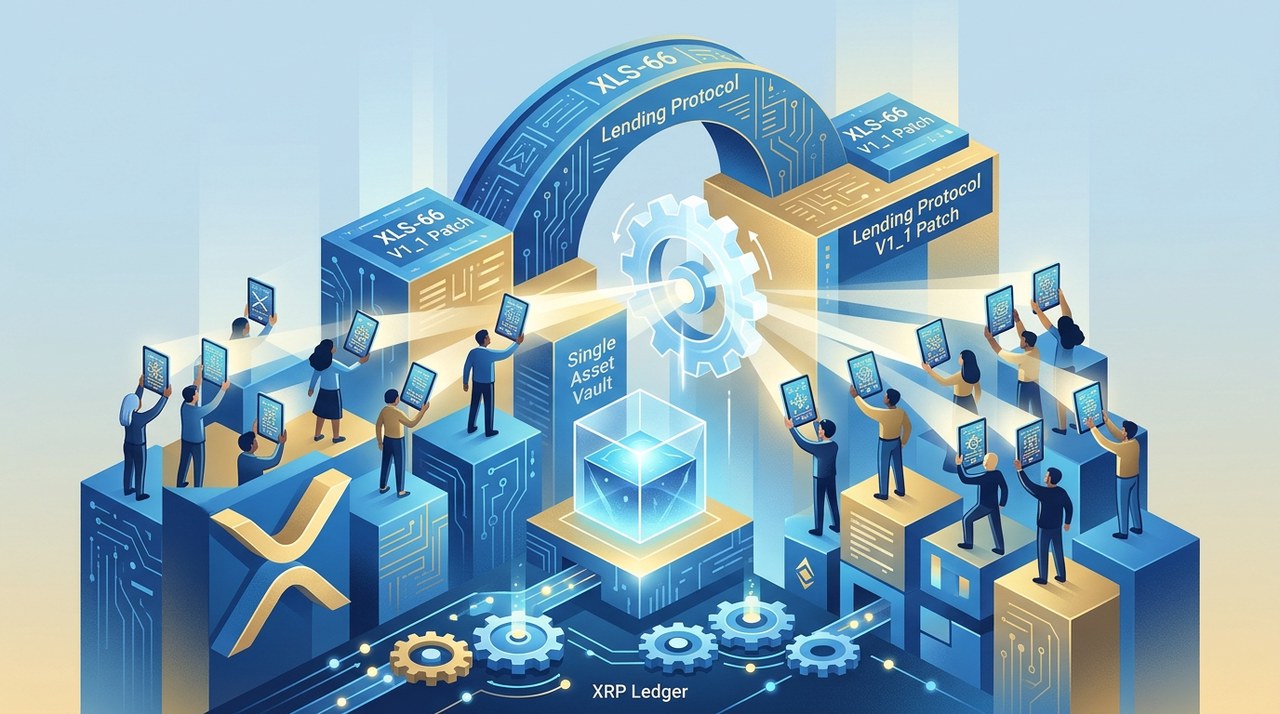

XRP Ledger Native Lending Moves Closer as Validator Support Rises
XRP Ledger validators have broken a weeks-long voting stall on native lending amendments, bringing bank-style yield pools closer to an official mainnet launch.
|
BlackRock Spot Bitcoin ETF Sees Record $541M Outflow
BlackRock's spot Bitcoin ETF recorded its largest single-day net outflow of over $541 million on November 20, 2026, amid market volatility.
|
Robert Kiyosaki Calls Bitcoin Sub-$62K Price Drop a Gift
Author Robert Kiyosaki sees Bitcoin's price pullback below $62,000 as a buying opportunity, citing scarcity despite broader market risks.
|