

Can We Trust Crypto Hardware Wallet Chips?
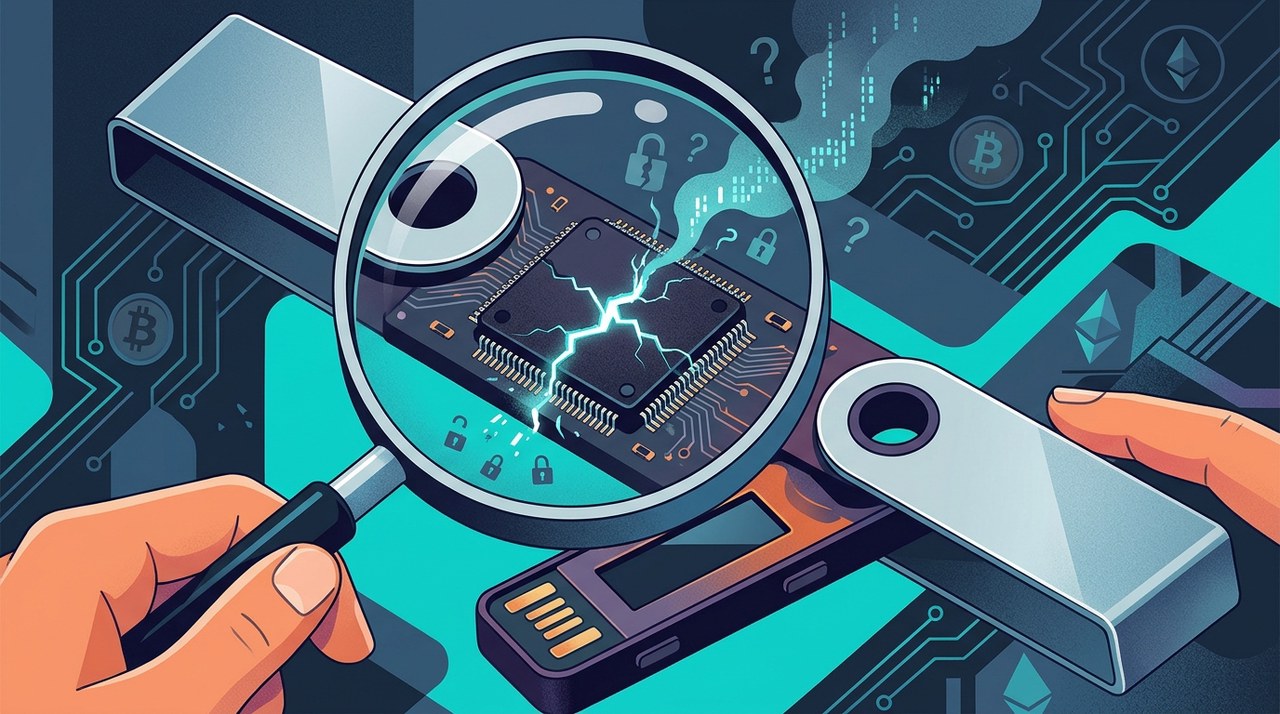
Hardware Wallets Under the Microscope
Keeping your crypto safe inside a hardware wallet is a top priority for many investors. But recent events in 2026 have sparked a major debate about hardware security. EthereumETH-2.13% co-founder Vitalik Buterin recently stepped into the conversation with a bold proposal for hardware wallet chips.
As BitcoinBTC-1.32% traded around $59,916 and Ethereum sat near $1,663 in late November 2026, security experts continued reviewing how we protect private keys. Please note that past performance of digital assets or past performance is not indicative of future returns or future performance.
Vitalik's Proposal: Not Your Silicon, Not Your Keys
On November 26, 2026, Vitalik Buterin published a post titled 'A shallow dive into open-source chip design.' He reminded crypto users that owning your private keys is not enough if you cannot trust the microchip inside your device.
To address this challenge, Buterin introduced a twist on a classic crypto phrase: 'Not your silicon, not your keys.'
He argues that chips inside hardware wallets should be completely open. That means publishing factory drawings so independent auditors, journalists, and civil society groups can inspect them.
Performance Hardware vs. Secure Hardware
Buterin believes the hardware industry will eventually split into two clear categories:
- Performance Hardware: Built for speed, maximum efficiency, and heavy processing tasks.
- Secure Hardware: Built for maximum transparency and safety, even if it operates much slower.
Open secure chips might be ten times less efficient than standard chips. However, Buterin notes that they would still be fast enough for everyday crypto tasks like signing transactions.
How Do You Actually Audit a Microchip?
Inspecting a chip is much harder than reading software code. Specialists can take infrared photos of a chip's inner pathways without breaking it. But detecting tiny, subtle alterations often requires taking the chip apart layer by layer.
Destroying a chip during testing creates a major challenge. You can only inspect random sample chips from a factory batch. You cannot inspect the exact chip inside the wallet you bought without destroying it.
Because of this limit, Buterin suggests making future microchips more 'inspection-friendly' from the start so computation can be democratized and secure.
Ledger CTO Pushback: Is Open Source 'Wishful Thinking'?
Not everyone agrees with Buterin's idea. Charles Guillemet, the outgoing Chief Technology Officer at Ledger, offered a strong counterargument.
Guillemet argued that open-source blueprints cannot guarantee that the physical chip you purchase matches the published drawings. Without taking your exact chip apart, you cannot verify its physical internal structure.
"You might think: 'Then build an open-source secure element.' That sounds elegant. It is mostly wishful thinking," Guillemet stated.
He added that keeping design details closed can actually make it harder for malicious hackers to discover and exploit hardware flaws.
The Coldcard Case: When Many Eyes Missed a Bug
To support his argument, Guillemet pointed to a security incident involving Coldcard hardware wallets. Coldcard manufacturer Coinkite experienced a flaw in its randomness generator code.
That bug remained hidden in publicly viewable code for over five years. At least 15 independent security reviews missed the flaw before it was finally caught.
This real-world example shows that having open code does not automatically guarantee that every vulnerability will be discovered quickly.
Different Security Philosophies: Vendor Trust vs. Inspectability
The debate highlights two distinct security philosophies in the hardware wallet ecosystem:
- Ledger's Approach: Focuses on protecting the device from whoever gets physical hold of it after purchase.
- Buterin's Approach: Focuses on protecting users against potential tampering by manufacturers or supply chain middleman.
Hardware researcher Andrew 'bunnie' Huang notes that standard industry models force users to trust manufacturers completely. Huang believes users should assume no vendor can be fully trusted.
In 2023, Huang proposed an alternative idea: inspect chips first, then seal them inside solid opaque epoxy so no one can tamper with them later.
The Hybrid Solution: Combining Open and Closed Chips
Hardware wallet design is not strictly open or closed. Some companies use a layered approach combining both worlds.
For instance, the Trezor Safe 7 hardware wallet uses multiple chips together:
- Infineon OPTIGA: A certified, closed-source secure chip.
- TROPIC01: An open-design chip created by Trezor's sister company, Tropic Square.
- Main Microcontroller: The primary processor running the wallet.
Instead of storing your recovery seed directly in either secure chip, Trezor encrypts the seed on the main microcontroller using security keys from both TROPIC01 and OPTIGA.
Real-World Attacks vs. Theoretical Risks
Earlier in 2026, researchers from Ledger's ethical hacking team, Donjon, tested the open TROPIC01 chip. Using a precision laser in a lab, they bypassed the chip's firmware signature check to run custom code.
Ledger's team noted that open-source documentation showed them exactly how the signature check worked. However, Trezor pointed out that public disclosure allowed them to prepare fixes for future chip designs.
Trezor also emphasized that because of their layered multi-chip design, bypassing TROPIC01 alone did not expose user PINs or wallet seed phrases.
What Wallet Users Need to Know
Interestingly, actual hardware wallet security incidents reported in 2026 were not caused by altered microchips. Coldcard's issue was a firmware bug, while incidents with Ledger and Trezor involved physical extra parts added inside cases.
Vitalik Buterin's proposal addresses a potential future threat: look-alike chips swapped during manufacturing. He recommends hardware wallet makers start preparing for this scenario now.
As hardware security evolves, many crypto holders are exploring multisig setups—using multiple hardware wallets together to authorize transactions—to eliminate single points of failure.
Whether hardware wallets ever become completely trustless remains an open question. But ongoing debates between industry leaders drive continuous improvements across crypto security.
As a final reminder, past performance of digital assets or past performance is not indicative of future returns or future performance. Always review wallet security features carefully before selecting a storage solution.
Latest blog posts
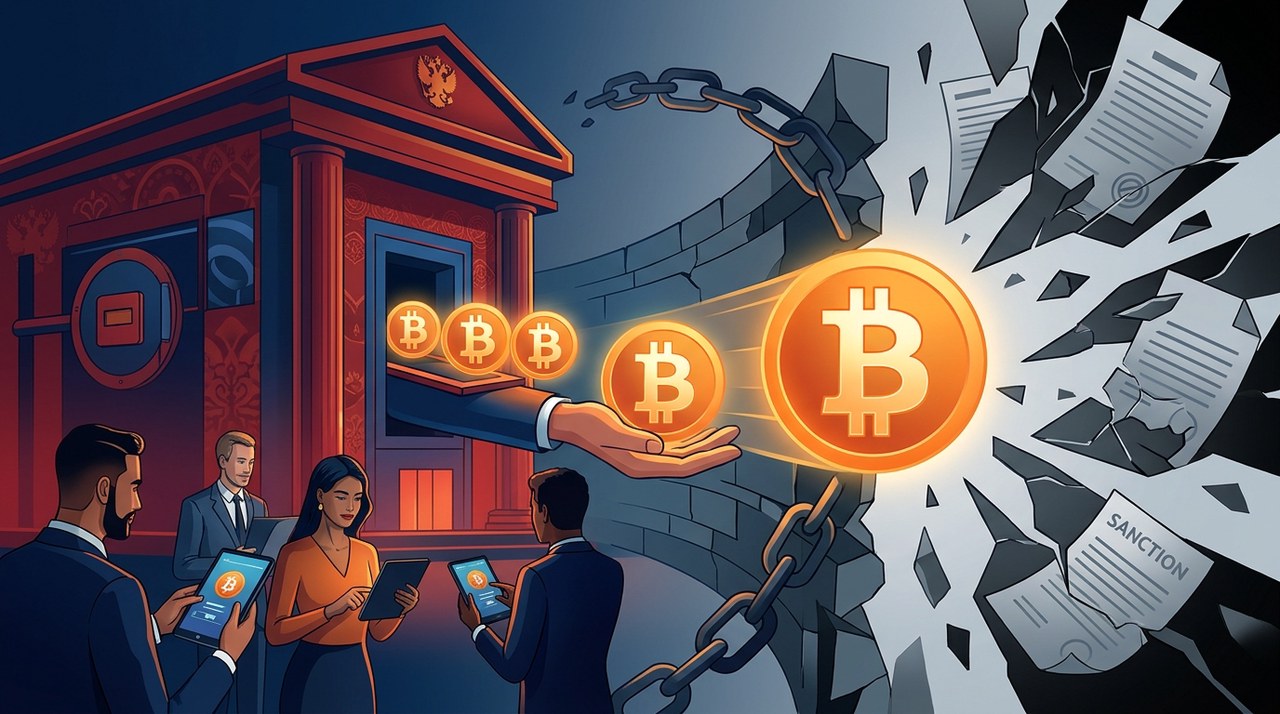

Russia's VTB Bank Launches Bitcoin Trading After US Sanctions
Russia's second-largest lender, VTB Bank, has launched Bitcoin trading on its investment app despite heavy US sanctions. Here is what you need to know.
|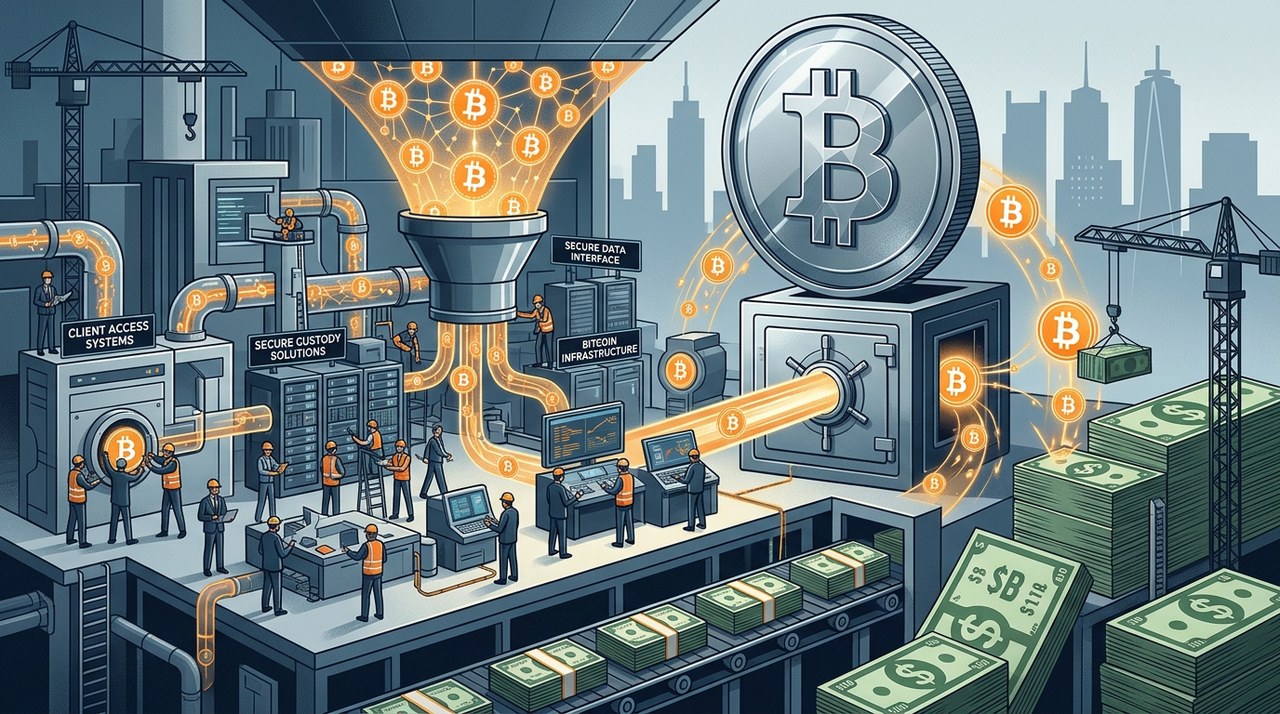
JPMorgan May Spend $1B on Bitcoin Business: Scaramucci
SkyBridge Capital's Anthony Scaramucci estimates JPMorgan could spend up to $1 billion developing Bitcoin services for clients.
|
Is Bitcoin Money or Savings? Industry Leaders Debate
MicroStrategy's Michael Saylor and Strive's Matt Cole pushed back against economist Jeffrey Tucker over whether Bitcoin is designed for daily spending or long-term savings.
|