


BTCS Sells Half Its ETH to Repay $43.8M Aave Debt
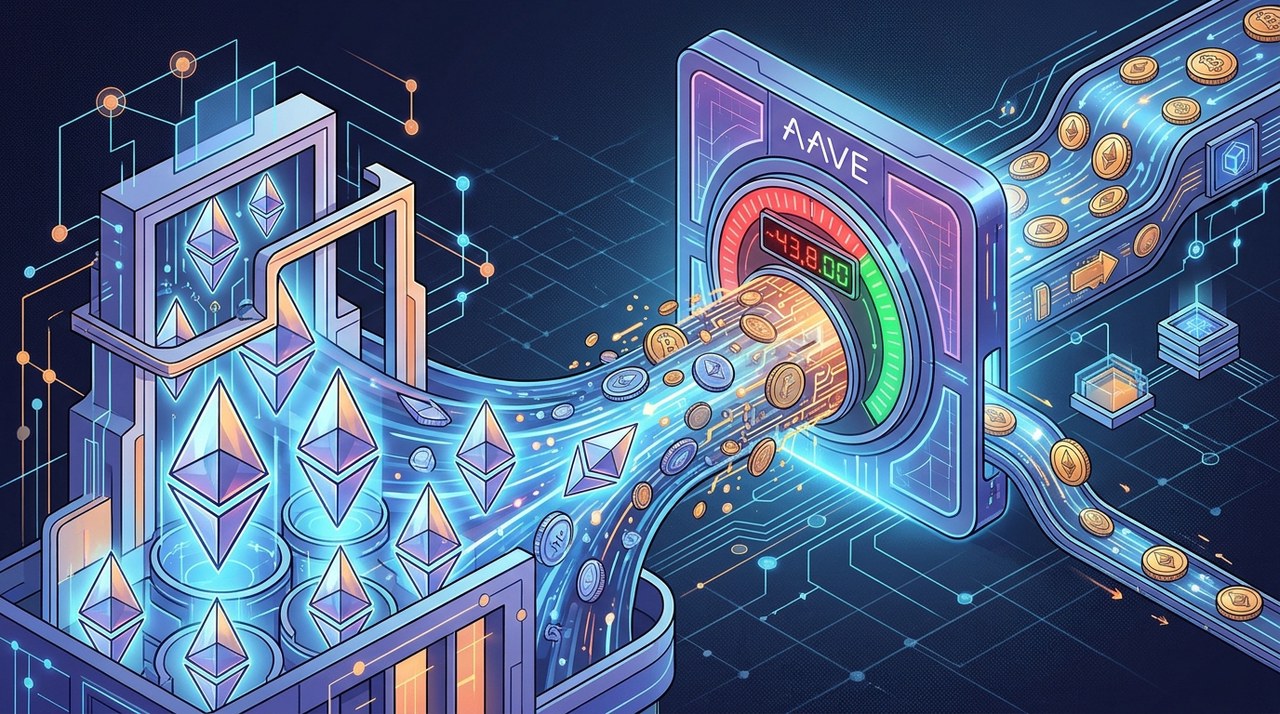
BTCS Repays $43.8 Million in AaveAAVE-10.42% Debt by Selling Ether
Publicly traded blockchain infrastructure firm BTCS Inc. recently made a significant strategy adjustment to its crypto holdings. The company sold more than half of its Ether (ETH) stash to fully pay off a $43.8 million debt balance on the decentralized finance (DeFi) protocol Aave.
This financial move directly affected Imperium, the company's dedicated DeFi business unit. Imperium temporarily withdrew its assets from automated liquidity pools right after completing a strong quarter, where it generated $3.5 million in revenue during the third quarter (Q3).
What Is BTCS and How Does Imperium Work?
BTCS Inc. is one of the earliest publicly traded U.S. companies focused on blockchain technology, network validation, and decentralized finance. To put its treasury assets to work, BTCS runs a specialized arm named Imperium.
Imperium operates in the decentralized finance sector by depositing digital assets into liquidity pools. You can think of a liquidity pool like putting money into a collective exchange fund. Other users trade tokens using that pool, and the pool provider earns trading fees in return.
During the third quarter, this liquidity management strategy proved active, generating $3.5 million in revenue for Imperium. However, participating in DeFi lending and liquidity provision also involves managing borrowing costs and market fluctuations.
Why Did BTCS Sell Ether to Clear Its Loan?
Aave is a well-known decentralized lending platform. On Aave, users can lock up crypto assets like EthereumETH-2.78% as collateral to borrow stablecoins or other tokens. This allows firms to access capital without selling their underlying tokens immediately.
However, keeping active loans on DeFi platforms comes with ongoing variable interest rates and liquidation risks. If market prices drop significantly, automated smart contracts can sell the deposited collateral to repay the loan.
By liquidating over 50% of its Ether holdings to clear the entire $43.8 million obligation, BTCS effectively eliminated its debt on Aave. This decision removes future interest obligations and prevents potential collateral liquidation during periods of market stress.
While de-risking a balance sheet helps maintain financial stability, digital assets remain subject to high market volatility. Past performance of digital assets or historical company revenue is no guarantee of future results. Investors can track market conditions on platforms like Bitkub Market.
Understanding Liquidity Pools and the Temporary Exit
To pay down the debt balance, Imperium paused its activity in liquidity pools. Here is how that process works behind the scenes:
- Liquidity Pools: Shared smart contracts containing token pairs that facilitate decentralized trading.
- Yield Generation: Companies like Imperium collect a share of transaction fees paid by traders.
- Capital Withdrawal: BTCS pulled its funds out of these pools to convert Ether into funds needed to settle the debt.
BTCS clarified that pulling out of liquidity pools is a temporary measure. Taking capital out allows management to protect capital, assess broader market conditions, and decide when to re-enter strategies safely.
Key Takeaways for Crypto Market Observers
Managing institutional crypto treasuries requires balancing active yield generation against risk management. Here is a quick recap of the main facts:
- Debt Settlement: BTCS cleared $43.8 million in outstanding loan balances on Aave.
- Asset Liquidation: The firm sold over half of its Ether holdings to fund the debt repayment.
- Revenue Snapshot: Imperium brought in $3.5 million in Q3 revenue prior to pausing pool deposits.
- Risk Reduction: Clearing the debt reduces interest expenses and removes loan liquidation risk.
Tracking corporate movements in the crypto space offers valuable insight into how institutional players manage leverage during different market cycles.
Latest blog posts

Bitcoin Faces 7-Week Dip as Whales Buy the Slump
Bitcoin has closed seven consecutive weeks in the red, down over 29%. Despite heavy ETF outflows, major whales and institutions are quietly accumulating.
|
South Korea Regulators Require Bank Ownership for Stablecoins
South Korean regulators have resolved months of debate by requiring commercial banks to hold over 50% ownership in any stablecoin issuing venture.

Elon Musk's SpaceX and Tesla Form Committees for Potential Merger Talks
SpaceX and Tesla have reportedly selected five independent directors to lead special committees negotiating a potential merger between the two companies.
|