


Bron Wallet Review 2027: Security & Inheritance Explained
Managing Crypto Security and Family Wealth in 2027
Following major security breaches across the industry in recent years, keeping digital assets safe remains a top priority for crypto holders. Many users have turned to self-custody wallets, where you hold your private keys directly without relying on a central exchange.
Self-custody offers complete independence, but it comes with real-world challenges. What happens if you lose your phone? What if your written seed phrase gets stolen? How can you grant family members access to your digital estate without risking unauthorized spending?
Bron Wallet aims to solve these access and security concerns through an advanced architectural setup. Designed primarily for families and long-term savers, Bron splits key responsibility between your device and its security partners. However, the wallet carries a steep entry hurdle, including a $10,000 qualifying balance for its baseline Core plan.
How Secure Is Bron Wallet? The Key Architecture
Bron is a self-custody software wallet founded by Dmitry Tokarev, who also founded the institutional crypto custodian Copper. Unlike traditional self-custody wallets, Bron eliminates the standard 12-word or 24-word paper seed phrase entirely.
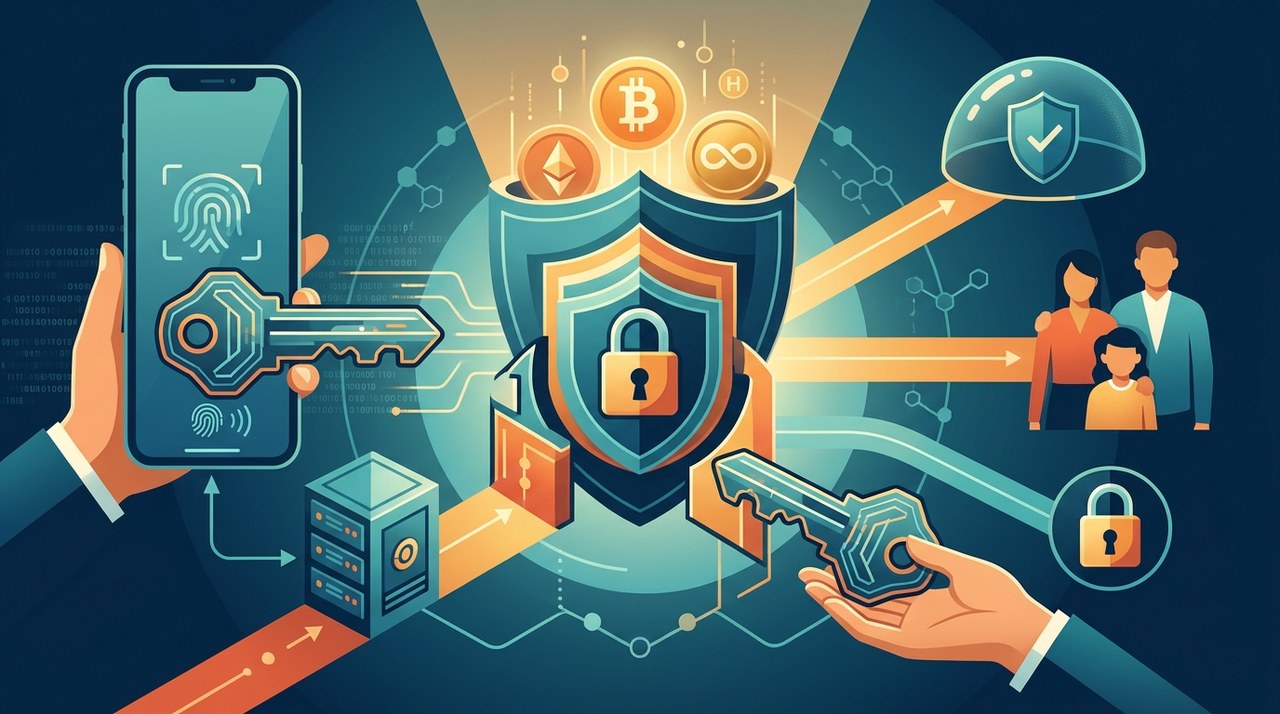
Instead, Bron relies on Multi-Party Computation (MPC) technology. Think of MPC as a digital vault where key authorization is divided into three separate pieces, called shares:
- Share 1: Stored securely on your personal device and protected by your biometrics (FaceScan or fingerprint).
- Share 2: Held on Bron's secure servers.
- Share 3: Managed by Qrypt, an independent external recovery provider.
To authorize a routine payment, your phone's share and Bron's server share work together to co-sign the transaction. Your complete private key is never assembled in a single location. Any two of the three shares can complete a transaction, but a single share alone is useless.
This setup means even if an attacker hacks your smartphone and steals your local key share, they cannot transfer your funds without a second share. Passkeys are used to secure login credentials, removing plain passwords from the attack surface.
In October 2026, security audit firm Trail of Bits evaluated Bron's underlying cryptographic signing protocol. The auditors confirmed that Bron addressed all nine code issues identified during the review, none of which received high or medium severity ratings.
What Happens in Emergency Scenarios?
Understanding how a wallet performs during unexpected events is critical for self-custody solutions. Here is how Bron handles common emergency situations:
- Losing Your Smartphone: A second pre-approved trusted device can grant key recovery. Alternatively, users can verify via FaceScan or rely on two designated guardians after a mandatory 48-hour security delay. If only an email address is configured, recovery takes 30 days.
- If Bron Shuts Down: Because Bron relies on 2-of-3 MPC, your private key can be reassembled without Bron's servers. You will need your local share from a trusted device alongside recovery support from Qrypt. Losing your device share simultaneously, however, could render funds permanently unrecoverable.
- Accidental or Fraudulent Approvals: Transactions signed on your device are final. To mitigate human error or scam risks, users should establish transaction spending limits and require second-approver sign-offs ahead of time.
- Coercion or Forced Signing: If you configure a mandatory second approver, a forced single signature cannot move funds. Optional security delays on large payments provide a time window to halt unauthorized transfers.
Shared Accounts and Estate Planning Features
One of Bron Wallet's most notable features is its household governance framework. It allows users to manage shared crypto accounts with custom authorization rules:
- Joint Approvals: Couples can allow single signatures for smaller daily payments while requiring both partners to approve transactions over a set limit.
- Read-Only Roles: Accountable professionals, such as accountants, can be granted read-only access to inspect transaction histories and export financial records.
- Time Delays: Solo users can enforce automated time locks on large transfers to protect against impulsive decisions or theft.
Crypto Inheritance Execution
Passing digital assets to heirs has historically been complex in self-custody setups. Bron introduces a built-in succession protocol where a designated beneficiary can initiate an inheritance claim.
By default, claims require a 12-month waiting period before assets release. This window can be shortened to six months if two designated account guardians submit authorization codes. If multiple heirs are named, all beneficiaries must agree before funds move, preventing a single heir from unilaterally clearing the account.
While Bron offers 24/7 technical support for claims, the wallet serves solely as an execution tool. Users must maintain legally binding estate documentation detailing allocation proportions alongside their wallet configuration.
Trading, Tokenized Stocks, and Market Features
Beyond asset storage, Bron integrates several decentralized market features directly within the application interface.
Tokenized Equities and ETFs
As of November 2026, Bron listed 473 tokenized stocks and ETFs within its application. Rather than using traditional Automated Market Maker (AMM) pools, Bron routes orders to independent liquidity providers who compete to provide real-time price quotes. Order execution sizes can reach up to $500,000 depending on liquidity conditions.
For instance, users can swap USDCUSDC-0.44% on the EthereumETH+0.85% network for an OndoONDO+2.01% token that tracks equity returns of companies like Nvidia without creating a traditional brokerage account. These tokens carry no voting rights and are restricted for residents of certain jurisdictions, including the United States and the United Kingdom.
Cross-Chain Swaps and Intent Architecture
Bron supports native cross-chain exchanges without requiring centralized exchange deposits. Through a framework called Bron Intents, user swap requests are submitted to competitive off-chain solvers.
For example, a user can exchange USDT on the TRON network directly for Bitcoin. The app displays the exact output amount and solver fees before transaction confirmation, settling directly on-chain between the user's wallet and the solver smart contract.
Network Fee Management: Power Bank
To resolve the common issue of lacking native gas tokens (such as lacking TRX on the TRON network to transfer USDT), Bron includes a prepaid dollar feature called Power Bank.
Users maintain a single USD balance that automatically purchases and covers gas fees across supported networks, including Ethereum, Solana, TRON, BNBBNB+1.76% Chain, and several Ethereum Layer-2 protocols. While this adds convenience, users pay a delivery surcharge for gas provisioning, making it less cost-effective than holding native gas tokens directly.
Staking and Stablecoin Yields
For native Ethereum validation, Bron requires a standard full balance of 32 ETH per validator setup. Smaller accounts looking for pooled ETH staking options will need to consider alternative tools.
For stablecoin holders, Bron offers a 3% annual reward rate paid daily in USDC. To qualify, users must exchange a minimum of $1,000 in USDT or USDC into PayPal USDPYUSD-1.82% and maintain the position within the wallet. Yield rates are variable and dependent on underlying protocol mechanics.
Plan Tiers and Fee Breakdown
Bron operates under a tiered structure based on asset balances. Personal plans carry no recurring subscription fees; meeting the qualifying balance once grants permanent tier access.
- Core Plan: Requires a $10,000 qualifying balance. Standard swap fee is 0.60%; stablecoin swap fee is 0.10%.
- Premium Plan: Requires a $100,000 qualifying balance. Standard swap fee is 0.30%; stablecoin swap fee is 0.05%.
- Private Plan: Requires a $1,000,000 qualifying balance. Standard swap fee is 0.15%; stablecoin swap fee is 0.025%.
- Founders Club: Available by invitation only with 0% Bron protocol fees.
- Business Plan: Costs $250/month, offering 5 seat authorizations, batch payments via Excel uploads, API support, and compliance settlement integration via partner Noah.
Qualifying balances are calculated using market value multipliers: standard crypto holdings count at face value, PYUSD balances count double (2x), and unshielded BRON tokens count tenfold (10x). All new accounts receive a 14-day trial period upon initial deposit.
Final Verdict: Who Is Bron Wallet For?
Bron Wallet provides a compelling alternative to traditional paper seed phrases by deploying multi-party computation and institution-grade access controls.
It is well-suited for families managing combined digital wealth, long-term investors planning estate succession, and small corporate teams requiring multi-signature payment workflows.
However, casual crypto users holding smaller amounts may find the mandatory $10,000 balance threshold for the entry-level Core tier a significant barrier to entry.
Latest blog posts
BNB Chain Unveils New Ethereum-Compatible L1 Framework
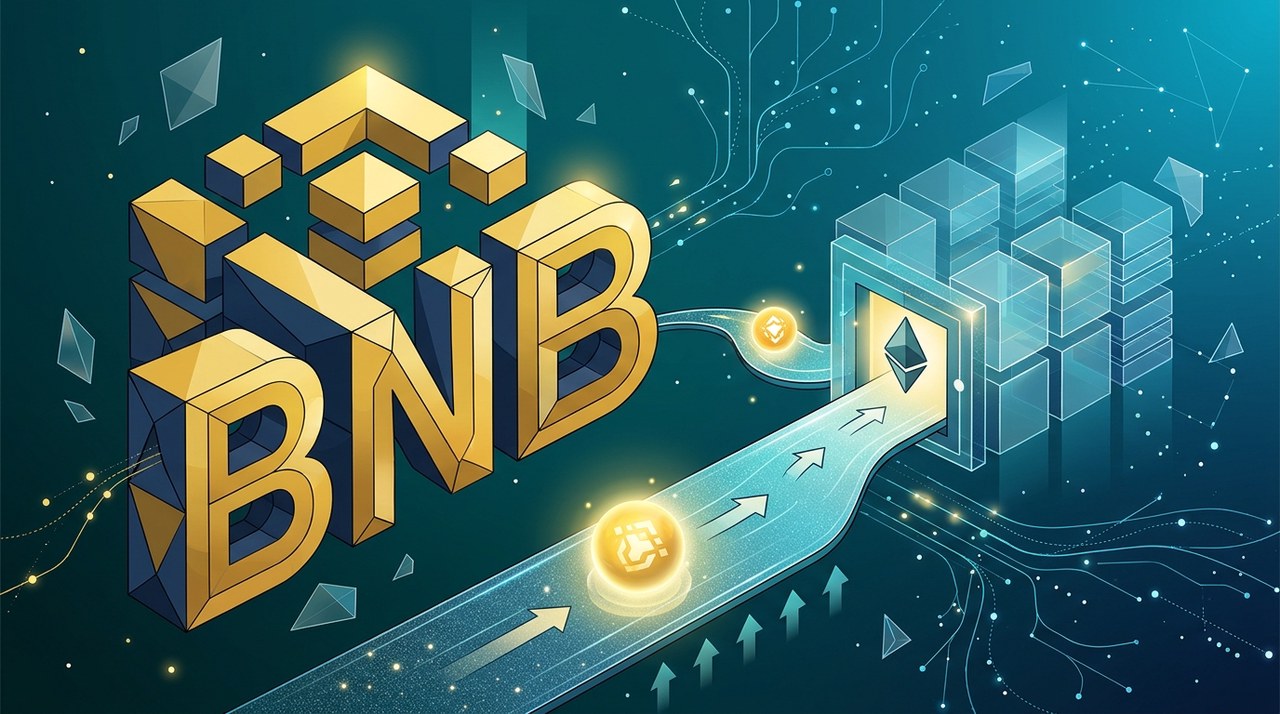
BNB Chain has introduced a new Ethereum-compatible Layer 1 architecture designed for high-speed trading and privacy, with no new native token being launched.
|

BASIS Launches Card with Cashback Paid in Spent Crypto
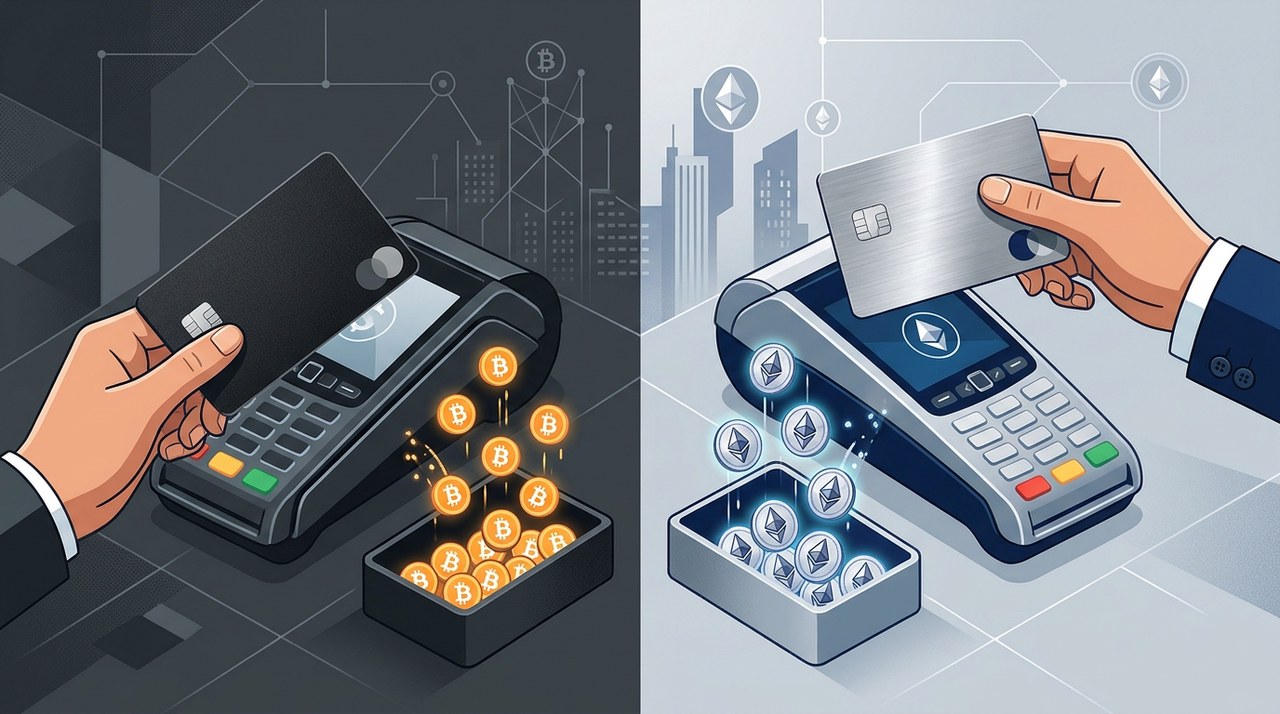
BASIS DIGITAL INFRASTRUCTURE LTD opens Round 01 card applications, offering up to 10% cashback paid directly in the cryptocurrency spent.
|
Probly Launches $10,000 CS2 Pick’Em Challenge for Major
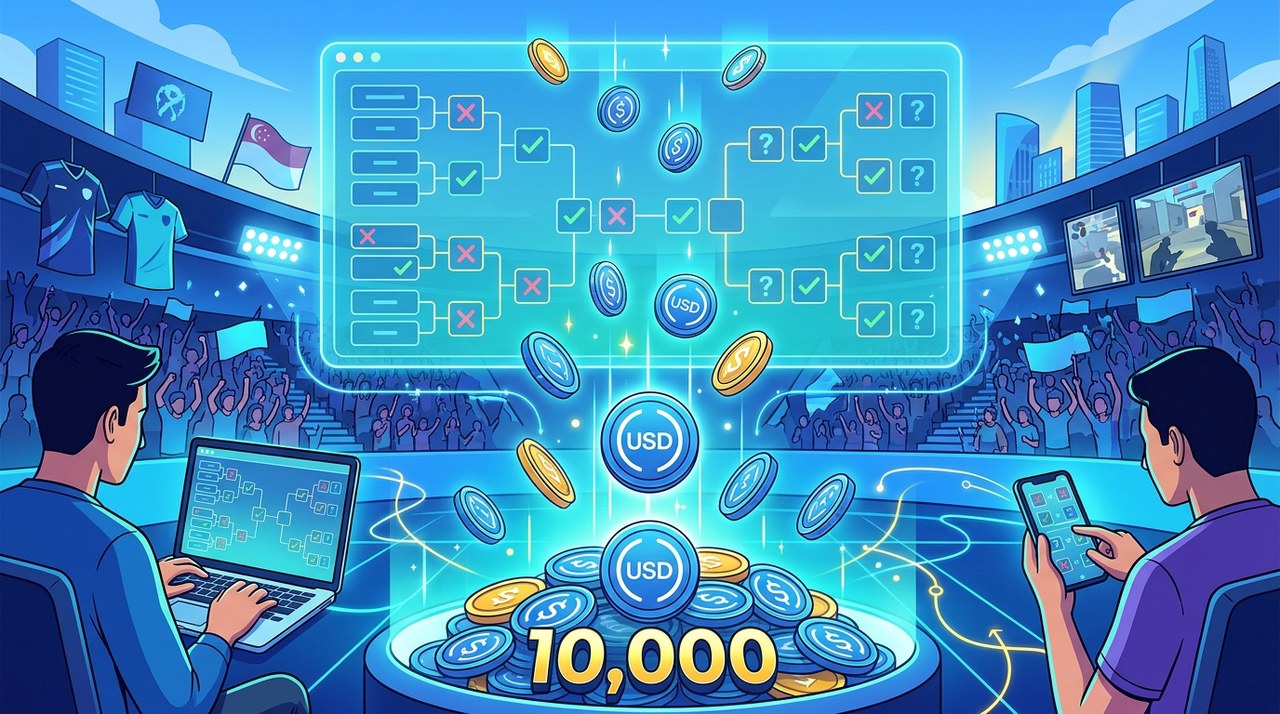
Probly has announced a $10,000 USDC Pick'Em Challenge for the CS2 PGL Singapore Major, running from November 20 to December 10, 2026.
|