
BitGo Adds Direct USDC Minting for Institutional Clients
BitGo Expands Institutional Support for USDCUSDC-0.03%
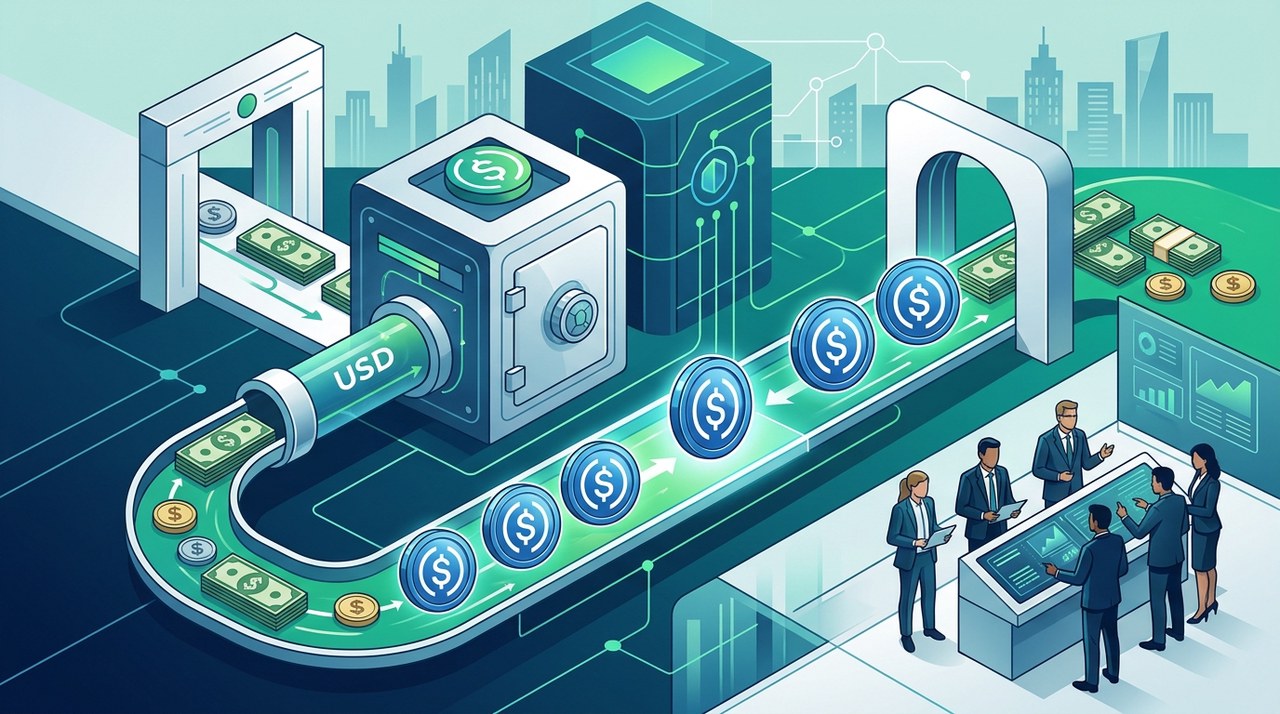
BitGo, a major custody and digital asset financial services firm, has expanded its platform capabilities for institutional users. Clients using BitGo Go Accounts can now mint and redeem USD Coin (USDC) directly within their existing dashboard.
This integration relies on BitGo's direct Circle Mint account behind the scenes. The goal is to simplify how corporate treasuries, hedge funds, and institutional investors convert traditional fiat currency into digital stablecoins and back again.
Breaking Down the Basics: What Are Minting and Redeeming?
If you are new to crypto infrastructure, terms like minting and redeeming can sound complicated. However, the core concept is straightforward once you compare it to traditional banking or ticketing systems.
Think of minting like exchanging cash for digital chips at a game center. When an institution sends standard U.S. dollars to an issuer like Circle, new digital tokens are issued into circulation.
On the other hand, redeeming is reversing that transaction. The user returns digital tokens to the issuer, the tokens are taken out of circulation, and equivalent fiat money is wired back to the user's traditional bank account.
- Minting: Converting standard fiat USD into brand-new USDC stablecoins.
- Redeeming: Exchanging USDC stablecoins back into traditional USD cash.
- 1:1 Backing: Every USDC token is designed to represent one U.S. dollar held in reserved assets by Circle.
Who Is BitGo and What Are Go Accounts?
Founded in 2013, BitGo provides security, custody, and liquidity solutions for institutional investors holding digital assets. They help large organizations store and manage crypto safely.
BitGo Go Accounts act as an operational platform for these institutional clients. It allows institutional users to manage custody balances, settle trades, and transfer funds without sending assets to unsecured external venues.
Prior to this update, moving large sums between fiat cash and USDC often required extra transfer steps across external exchange order books or third-party banking rails. Now, BitGo handles the workflow directly through its Go Accounts hub.
Understanding USDC and Circle Mint
USDC is one of the largest stablecoins in global circulation, issued by fintech company Circle. It is designed to maintain a stable 1:1 price peg with the U.S. dollar.
To support this peg, Circle holds underlying reserves in cash and short-term U.S. Treasuries. You can monitor stablecoin activity and live prices on public asset tracking platforms like Bitkub Market.
Meanwhile, Circle Mint serves as Circle's institutional portal. It gives institutional users direct infrastructure to create or burn USDC tokens directly with the issuer.
How the New Direct Integration Works
By connecting Go Accounts directly to Circle Mint, BitGo eliminates several operational steps for institutional finance teams:
- Client Request: An institutional user submits a mint or redeem order via BitGo Go Accounts.
- Backend Execution: BitGo routes the order instantly through its dedicated Circle Mint account.
- Token Issuance or Redemption: For a mint request, Circle issues USDC to BitGo custody; for a redemption, USDC is burned and USD is wired.
- Final Settlement: The client receives their minted USDC or cash balance directly within their BitGo environment.
Why Institutional Investors Care About Direct Access
Large financial institutions require high efficiency, tight security, and reliable liquidity management. Direct minting and redemption provide key operational benefits:
- Lower Slippage: Direct minting avoids public exchange order books, avoiding price impact on massive trades.
- Simplified Operations: Management teams can keep operations under standard institutional custody without managing multiple exchange logins.
- Faster Liquidity Management: Institutions can move seamlessly between digital assets and cash positions.
Important Risks and Regulatory Considerations
While stablecoins offer increased speed and liquidity for payments, digital asset tools carry clear risks that investors must evaluate carefully.
Past performance of digital assets is not an indication of future performance. Users should consider market volatility, economic conditions, and counterparty risks before participating in digital asset activities.
De-Pegging and Market Liquidity Risks
Although stablecoins aim to maintain a constant $1.00 valuation, extreme market volatility or banking stress can cause temporary de-pegging risks. Liquidity availability can fluctuate depending on overall financial market conditions.
Custodial and Operational Factors
Managing digital assets involves technical risks related to wallet key safety, network updates, and platform operational processes. Even when using institutional-grade custodians, risks inherent to blockchain systems remain present.
The Broader Impact on Institutional Crypto Adoption
As traditional financial institutions continue to explore digital assets, tools that bridge traditional banking with public blockchains become essential core infrastructure.
Direct integrations between custody platforms and primary token issuers streamline capital flows while preserving security requirements.
Final Thoughts
BitGo adding USDC minting and redemption via Circle Mint gives institutional users a streamlined path between dollars and stablecoins inside Go Accounts. As institutional infrastructure expands, market participants should remain focused on clear risk management and operational standards.
Latest blog posts



Base Targets 2027 Quantum Security with Everest Upgrade
Base creator Jesse Pollak announced that the upcoming Everest upgrade will prepare crypto wallets for future quantum threats, alongside ongoing ecosystem updates.
|
Jensen Huang Returns as Nvidia CEO Triggering Viral Memes
Nvidia has reinstated founder Jensen Huang as CEO following 12 days of corporate drama, driving a 35% stock rally and inspiring viral social media memes.
Solo Bitcoin Miner Scores $191,000 Reward Against Long Odds
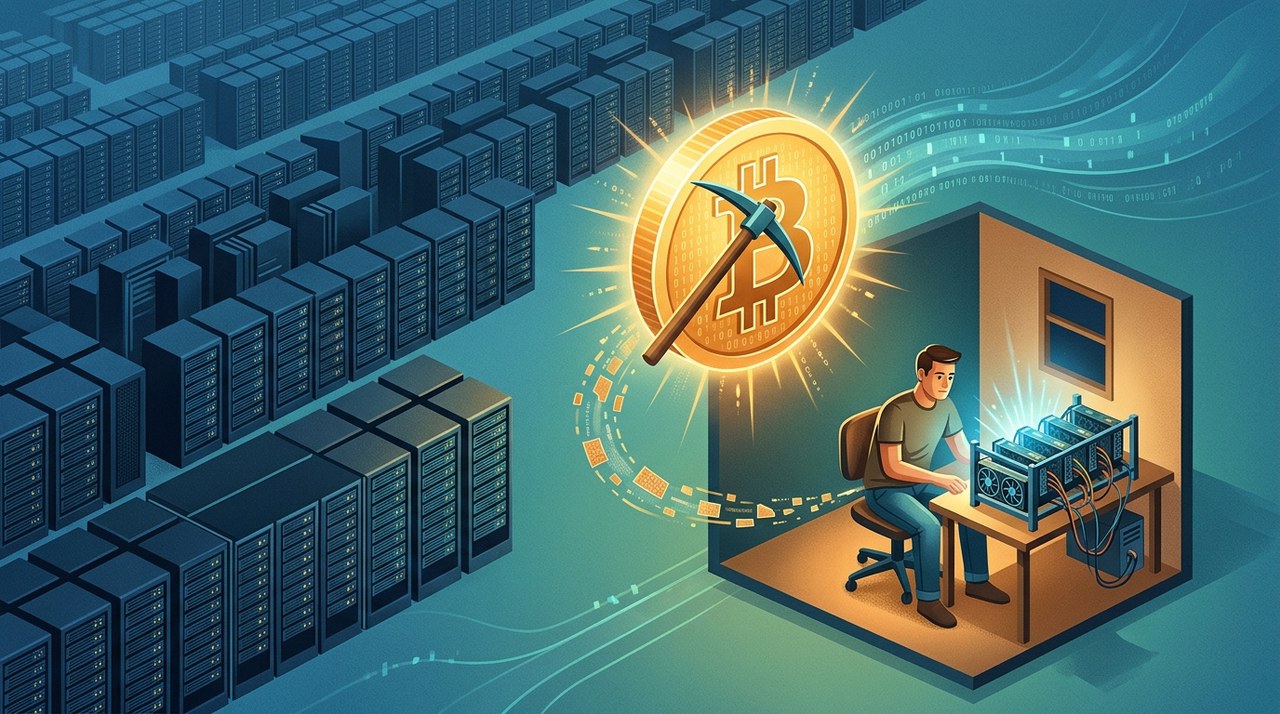
A solo Bitcoin miner defied immense odds by independently solving a network block, earning a total payout of approximately $191,000.
|