
Bitcoin Steadys Above $75K After $1B Liquidation Wave

BitcoinBTC+0.73% Finds Support Near $75,200 After Market Dip
Bitcoin demonstrated resilience after dropping sharply during Thursday's trading session, managing to bounce back from around the $75,200 price point. The sudden decline was largely sparked by a selloff in artificial intelligence (AI) and technology stocks, which quickly spilled over into the broader cryptocurrency market.
The sharp move lower caught many traders off guard, leading to a massive wave of forced liquidations across major derivatives exchanges. However, buyers stepped in around the $75,200 level, absorbing the selling pressure and helping prices stabilize as market participants assess the current landscape.
Unpacking the $1 Billion Liquidation Cascade
The market downturn triggered over $1 billion in crypto liquidations within a short time frame, marking one of the larger liquidation events in recent weeks.
To understand why liquidations happen, it helps to look at how leverage works in crypto trading. Many traders use borrowed funds—known as leverage—to magnify their potential profits. While leverage can boost gains when the market moves favorably, it also increases risk significantly.
When Bitcoin's price began to slide on Thursday, many leveraged long positions—bets that prices would go up—hit their automatic risk limits. Exchanges automatically sell these positions to cover the borrowed funds, creating a domino effect known as a liquidation cascade. This automated selling pressure forced prices down even faster, triggering consecutive rounds of liquidations until the market settled near $75,200.
Why AI Tech Stocks Impact Crypto Markets
Many investors often ask why an AI stock selloff affects digital assets like Bitcoin. In modern financial markets, cryptocurrencies and high-growth technology stocks are frequently grouped together by institutional investors as risk-on assets.
When tech giants experience profit-taking or pullbacks due to shifting market sentiment, large investment funds often reduce their overall exposure across risky asset classes. This broad rebalancing frequently leads to simultaneous selling in both traditional equities and major digital currencies.
Focus Shifts to the Latest U.S. Jobs Report
With the initial liquidation shock easing, traders are now turning their attention to upcoming macroeconomic indicators, particularly the latest U.S. employment report.
Economic reports from the United States carry significant weight in the crypto market because they offer clues about the Federal Reserve's next decisions regarding interest rates and monetary policy.
Potential Scenarios Traders Are Watching
- Stronger-than-expected jobs data: A hot labor market suggests economic strength, which could lead the Federal Reserve to keep interest rates elevated for longer. Higher borrowing costs tend to reduce market liquidity, which can create headwinds for risk assets.
- Weaker-than-expected jobs data: A cooling job market increases the likelihood of future interest rate cuts by the Federal Reserve. Lower rates typically boost market liquidity, creating a more favorable environment for digital assets.
Navigating Market Volatility
As Bitcoin steadies above key support levels, market participants remain cautious. The combination of leverage, macroeconomic updates, and traditional equity market trends continues to drive short-term price movements.
Investors often monitor both technical support levels and macro events to better navigate these dynamic market conditions.
Past performance of digital assets is not a guarantee of future results. Cryptocurrency trading involves market risk, and prices can fluctuate substantially over short periods.
Latest blog posts

Bitcoin Rebounds From $55,110 Low as Ledger Probes Tampered Units
Bitcoin rebounded after hitting a $55,110 cycle low, while Ledger investigates reports of tampered devices in Berlin and the UAE.
|

 +2
Bitcoin Rebounds Above $61K After Rough November Wipeout
Bitcoin recovered above $61,000 after dropping to $55,640, though November losses remain significant across the wider crypto market.
|

 +2
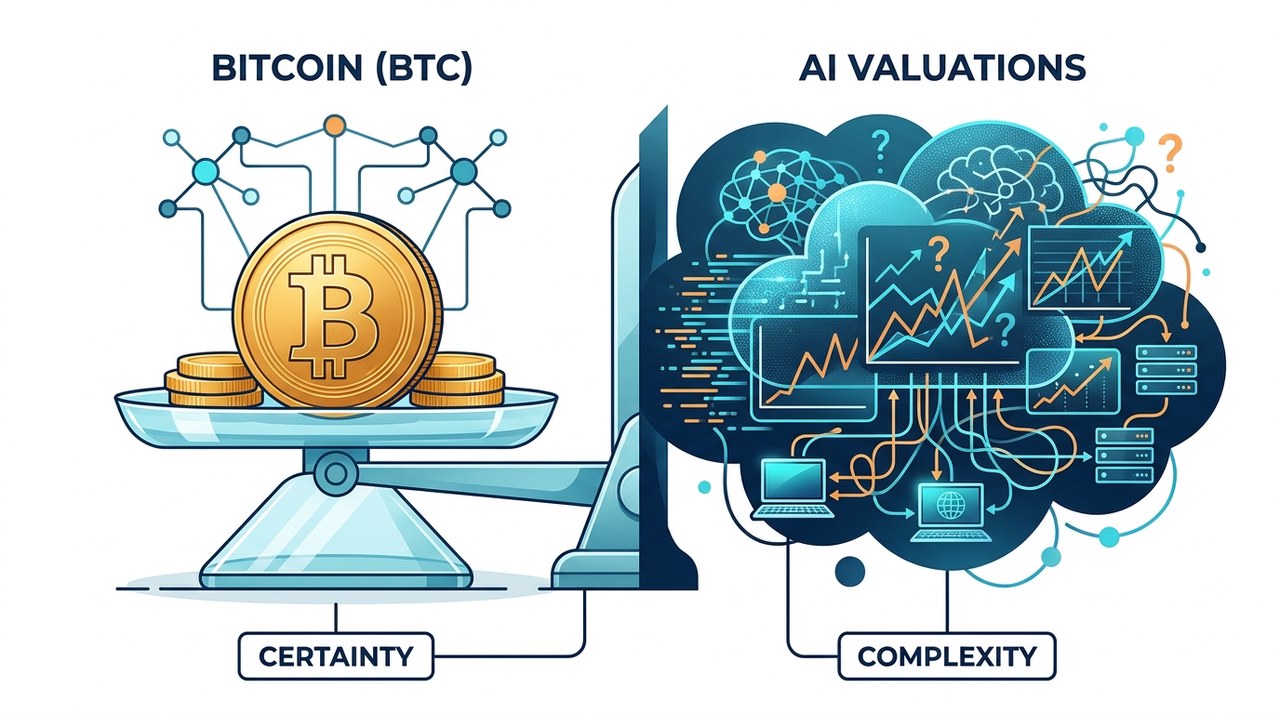
Why Bitcoin Is Easier to Value Than AI
Investor Bill Miller IV explains why valuing Bitcoin is simpler than AI stocks, despite BTC having no cash flow.
|