
Bitcoin Mining Network Hijacked as AI Crypto Rumors Swirl

Bitcoin Miners Fall Victim to Major Network Hijack
Cybercriminals recently targeted the global Bitcoin mining network. They intercepted mining traffic to steal rewards.
More than 1,600 Bitcoin (BTCBTC+3.08%) mining sites suffered from a Border Gateway Protocol (BGP) attack. People also call this a man-in-the-middle hijack.
Attackers impersonated legitimate mining pools to divert computing power. They stole up to 1.9 exahashes per second (EH/s) of hashrate directly into their own wallets.
How the Attack Spread Across the Globe
Bitcoin mining company Braiins reported that the attack started in early November. Initial targets included miners located in Brazil and Argentina.
During the first phase, attackers diverted around 175 petahashes per second (PH/s) of compute power.
On November 20, the attack expanded rapidly into Europe. Over 1,000 mining sites were hit within a single second.
The stolen hashrate grew tenfold. It reached between 0.6 and 1.9 EH/s during the peak of the breach.
The Weak Link: Stratum V1 Mining Protocol
The primary cause of the attack is the Stratum V1 protocol. This older communication system connects mining rigs (ASICs) to mining pools.
Stratum V1 lacks data encryption and server authentication. It is also centralized, making it vulnerable to internet traffic interception.
Hackers exploit these flaws by feeding miners real work while sending block rewards to attacker wallets.
This is not the first time this has happened. In 2014, Dell security division SecureWorks uncovered a similar hijack where hackers stole $83,000 in BTC and other proof-of-work coins.
Crucial Steps for Miners to Stay Safe
Braiins urges all mining operators to abandon unencrypted connections immediately.
Operators should switch to Stratum V2, which offers stronger decentralization and server identity checks.
- Upgrade software to versions that block unencrypted plain-text fallbacks.
- Use Braiins free local SV2 Proxy tool for older equipment incompatible with Stratum V2 and TLS.
- Ensure mining software performs strict identity verification.
- Ask hosted mining providers to verify the security of main and backup connections.
Unconfirmed Rumors: Can AI Crack Modern Cryptography?
At the same time, unverified rumors are circulating across tech communities. Some claim advanced AI models from OpenAI and Anthropic have broken cryptographic security.
These rumors mention breaks in Bitcoin elliptic curve cryptography (ECC), integer factorization in P, and Ring-LWE.
If true, breaking ECC would let attackers derive private keys from public keys. Breaking Ring-LWE would make post-quantum upgrades useless.
Cracking integer factorization in P would impact global digital systems, including banking, government communications, digital authentication, and software signatures.
Industry Leaders React to AI Safety Concerns
Neither OpenAI nor Anthropic has confirmed any cryptographic breakthrough. However, experts like computer scientist Scott Aaronson and Ledger CTO Charles Guillemet have acknowledged the rumors.
I am hearing several rumors that frontier labs have broken some major cryptographic primitives: Factoring is in P: Now that the Riemann hypothesis is proven, we do understand much better how primes are distributed. Still, I do not think factoring is in P. AKS showed in 2002...
Additionally, media outlet Axios reported that employees at AI labs are calling for a pause in training. They fear super-intelligent models could trigger severe cyberattacks.
If we continue trying to make models much smarter, such that they are actually smarter than us... they will in fact be able to trick us successfully.
As the crypto space evolves, security standards continue to adapt. Past performance of digital assets does not guarantee future results.
Latest blog posts

7 Key Signals That Could Point to a Bitcoin Price Reversal
Analysts are tracking seven key indicators—from U.S. ETF flows to macro trends—that could signal when Bitcoin is ready to turn around.
|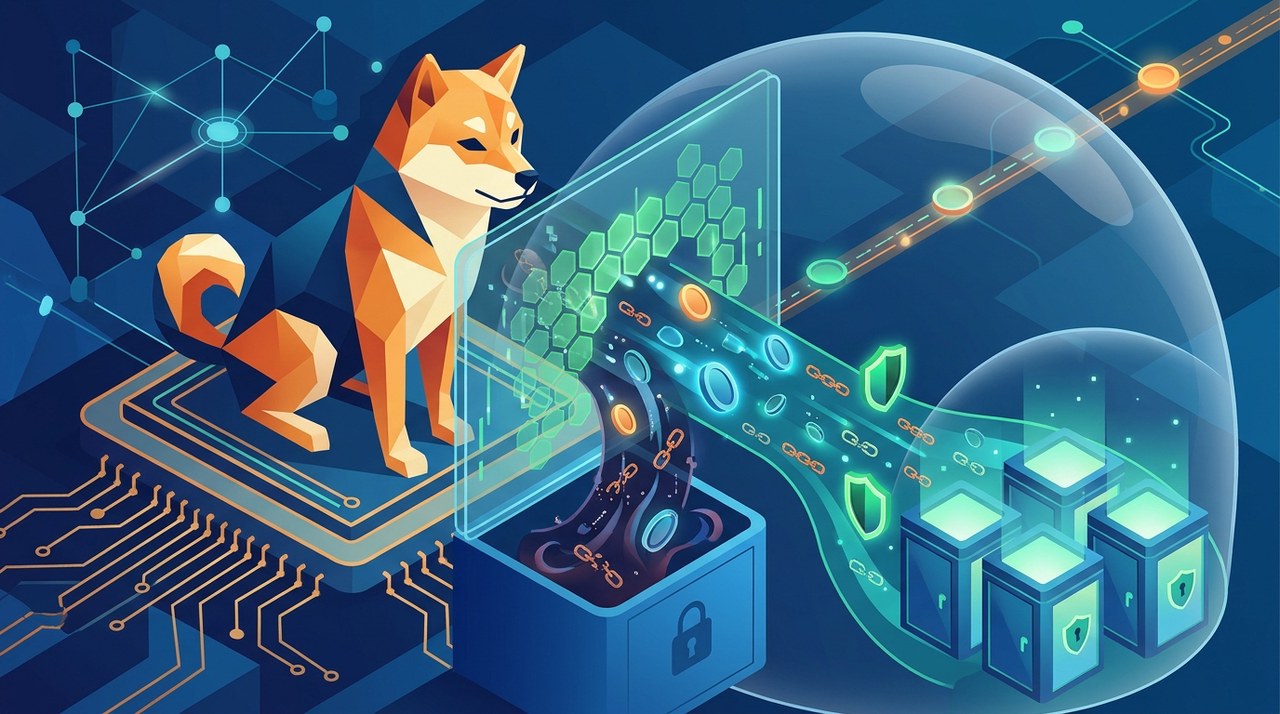


Shiba Inu Teases Privacy Upgrade for Shibarium Network
Shiba Inu developer Mazrael reveals Shibarium is technically ready to adopt Oxbow's Privacy Pools, paving the way for private transactions.
|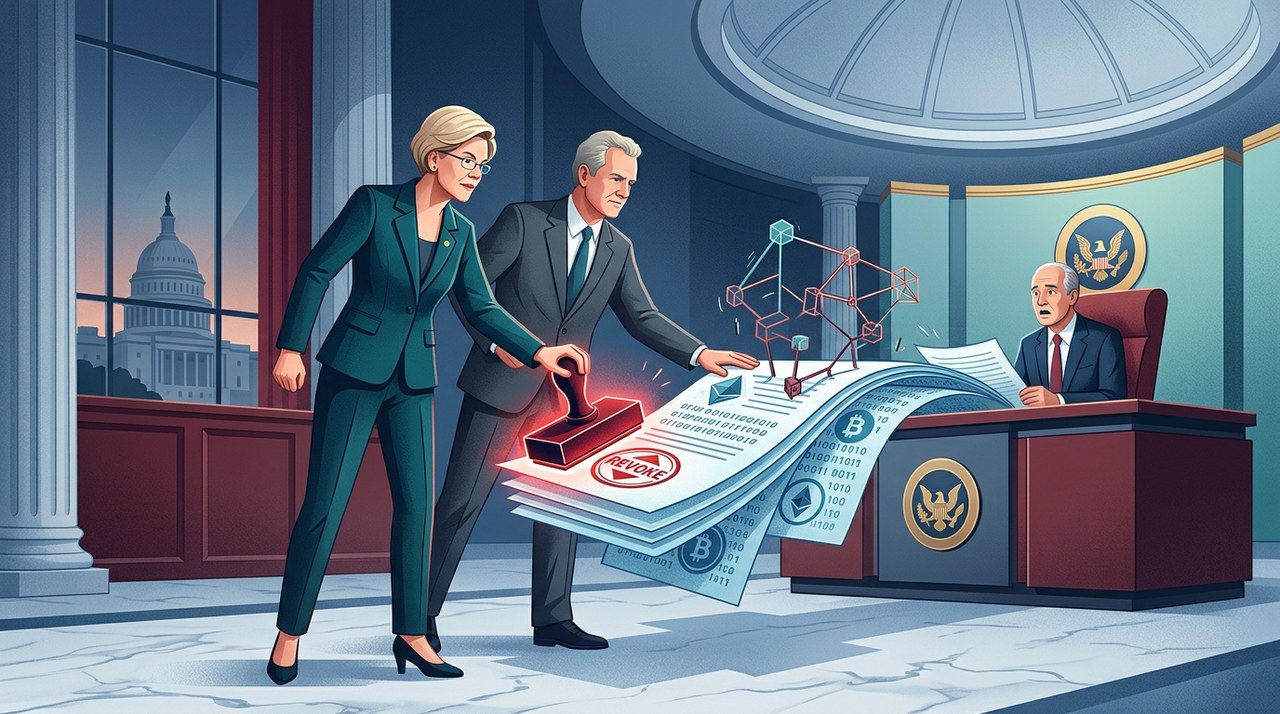
US Lawmakers Push SEC to Revoke Crypto Relief Rules
Senators Elizabeth Warren and Chris Van Hollen have asked SEC Chair Paul Atkins to scrap proposed crypto exemptions and custom regulations.