

Bitcoin Drops as Weak Demand and Forced Sell-Offs Weigh In
Why Is BitcoinBTC-3.23% Facing Price Pressure?
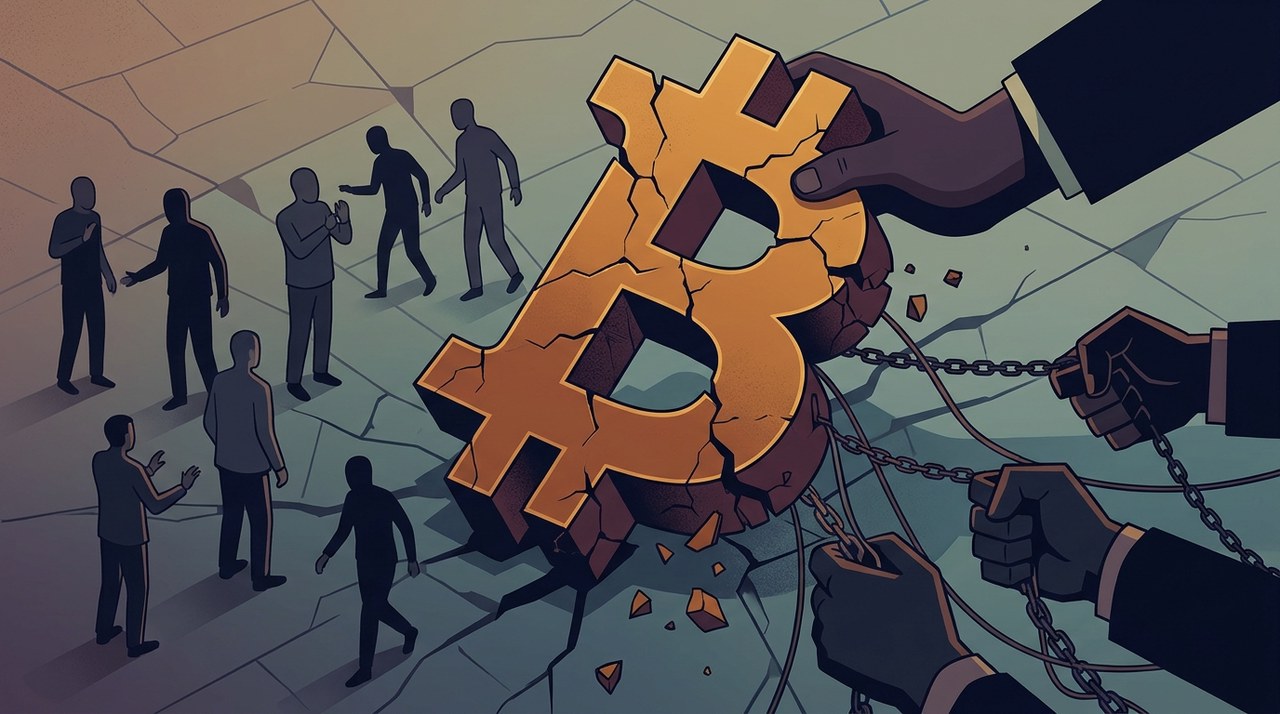
If you have been checking your crypto portfolio lately, you might have noticed some red numbers on the charts. Bitcoin has experienced a downturn, leaving many market observers wondering what factors are driving the recent sell-off.
According to a recent report from 21Shares, a well-known crypto asset manager, two main issues are pushing prices down. The primary causes are weak investor demand and a series of forced liquidations in the market.
21Shares warned that this downturn could stick around for a while. They also noted that when the market eventually begins to recover, the bounce-back may look very different across various sectors of the crypto ecosystem.
Breaking Down the Key Drivers: Demand and Liquidations
To better understand current market conditions, it helps to examine the two main forces highlighted by 21Shares.
1. Sluggish Investor Demand
In any financial market, asset prices rely on the balance between buyers and sellers. When buying interest from retail and institutional investors cools off, there are fewer orders available to absorb incoming sell pressure.
Without steady buying activity in spot markets, even normal selling can push prices lower. Broader economic uncertainty and high interest rates have led many investors to take a cautious wait-and-see approach.
2. The Domino Effect of Forced Liquidations
The second issue mentioned by 21Shares involves forced liquidations. In crypto trading, some participants use leverage, which means borrowing funds to trade larger position sizes.
Traders using leverage must maintain a minimum amount of collateral in their accounts. If the price of Bitcoin falls below a set threshold, trading platforms automatically sell those assets to settle the debt.
This creates a chain reaction. One liquidation forces a sell order, which drives the price down further, triggering additional liquidations for other traders. This automatic selling can accelerate market pullbacks quickly.
What Does an Uneven Recovery Look Like?
21Shares highlighted that an eventual market recovery will likely affect different crypto sectors in different ways.
During earlier crypto cycles, a rise in Bitcoin often raised prices across almost all alternative tokens. Today, as the industry matures, individual crypto sectors tend to react based on their specific utility and user adoption.
- Established Layer-1 Networks: Major cryptocurrencies like Bitcoin and EthereumETH-3.93% often attract institutional interest first when market sentiment improves.
- Decentralized Finance (DeFi): Protocols with active users and sustainable revenue models may recover based on operational growth rather than market trends alone.
- Speculative Assets: High-risk tokens without clear utility may take longer to regain traction after major liquidation events.
Evaluating Future Market Scenarios
When assessing where digital asset prices might move next, it is useful to look at multiple potential outcomes.
If institutional demand rebounds—such as through increased inflows into spot ETFs or clearer regulatory frameworks—Bitcoin could find strong price support and resume an upward trend.
Conversely, if macroeconomic headwinds persist or if further leverage liquidations occur, Bitcoin could experience extended periods of sideways trading or further price corrections.
Investors should keep in mind that past performance of digital assets is not an indication of future results. You can stay informed on current market prices and trading pairs on Bitkub Market.
Key Takeaways for Investors
Understanding market dynamics helps investors navigate price swings with greater clarity.
- Monitor Spot Demand: Pay attention to organic buyer interest rather than relying solely on short-term price momentum.
- Understand Leverage Risks: Forced liquidations can create rapid price dips even without negative fundamental news.
- Practice Proper Risk Management: Crypto markets remain volatile, making it vital to evaluate your personal risk tolerance before making decisions.
By following well-researched insights and maintaining a disciplined approach, investors can better understand changing market cycles.
Latest blog posts

Nvidia CEO Saga Triggers Double Hit on Bitcoin Price
Bitcoin prices felt the impact twice when Nvidia CEO Jensen Huang left and returned, highlighting how tech market shifts influence crypto trends.
|


Krak Prepares Early 2027 US Credit Cards with BTC Rewards
Krak has opened a waitlist for two U.S. credit cards, including a secured card option using USDC collateral.
|

$9B Wealth Manager Arkadios Discloses XRP ETF Stake
Arkadios Wealth Advisors and Susquehanna revealed significant XRP ETF positions in their latest SEC filings, reflecting ongoing institutional interest.
|