
Bank of Japan Explores Stablecoins and Tokenized Finance
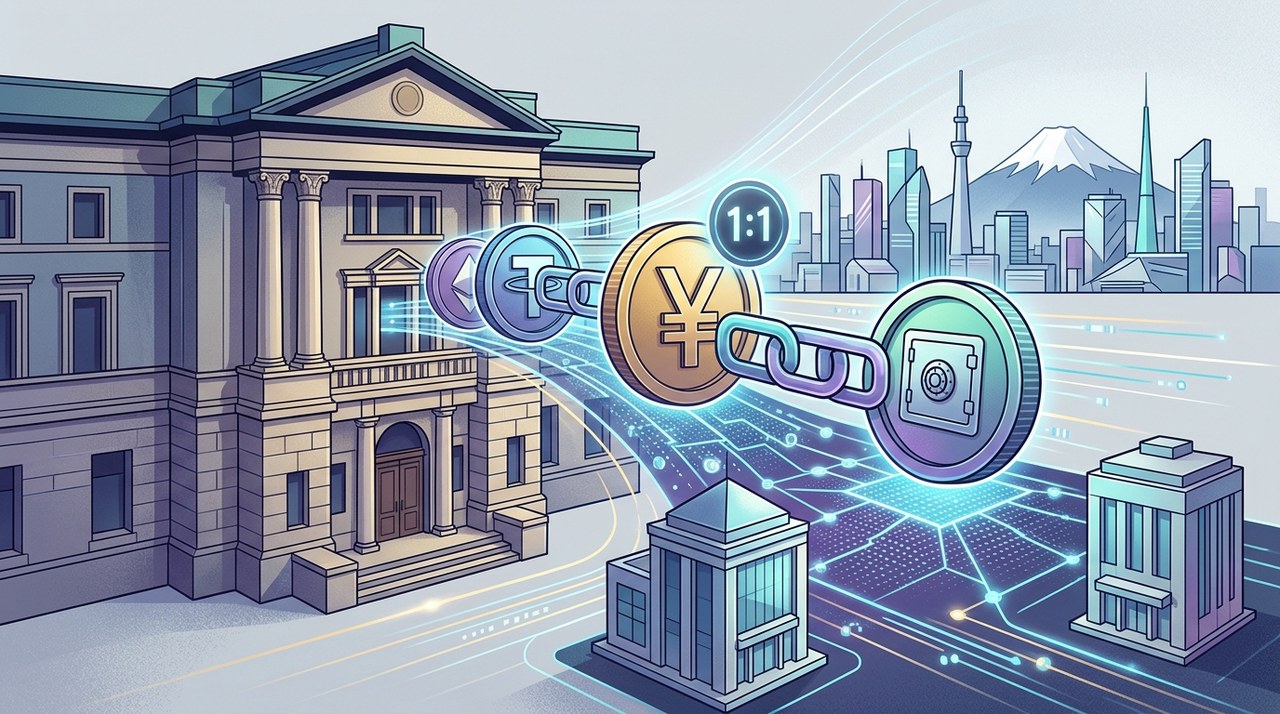
The Bank of Japan Steps Into Tokenized Finance
Imagine sending money across the globe in seconds, at any hour of the day, without waiting for normal banking hours. That is the promise of tokenized finance. The Bank of Japan (BoJ) is actively researching how to bring stablecoins and tokenized assets into standard commercial banking infrastructure.
Central banks across Asia and around the world are watching digital assets closely. Japan has taken a leading role by establishing clear regulatory guardrails for digital currencies, aiming to merge blockchain innovation with traditional financial stability.
What Are Stablecoins and Tokenized Deposits?
To understand where banking is heading, it helps to break down two core concepts that are reshaping digital payments.
Stablecoins are digital tokens designed to maintain a stable value by pegging themselves to traditional fiat currencies, such as the Japanese Yen or the US Dollar. Unlike highly volatile cryptocurrencies, their goal is to keep a consistent 1-to-1 exchange value.
Tokenized Deposits are traditional commercial bank deposits recorded on a digital ledger or blockchain. Think of it like taking the cash in your existing bank account and giving it digital capabilities so it can move instantly across blockchain networks.
Why Central Banks Are Testing Blockchain Technology
Traditional interbank settlement networks can be slow and costly, especially for cross-border transactions. By testing tokenization, central institutions hope to make payment systems safer, cheaper, and more efficient.
Here are the primary benefits driving central bank exploration:
- Faster Settlements: Transactions can clear almost instantaneously rather than taking days.
- 24/7 Operations: Blockchain networks run continuously without stopping for weekends or holidays.
- Automated Processes: Smart contracts can execute transfers automatically when agreed conditions are met.
- Lower Fees: Eliminating unnecessary intermediaries can lower transaction costs for companies and consumers.
Japan's Progressive Regulatory Framework
Japan was among the first major economies to introduce legal clarity for stablecoins. In June 2023, the Japanese government updated its Payment Services Act. This law officially allowed licensed banks, trust companies, and fund transfer services to issue stablecoins.
Because of these clear guidelines, major financial institutions in Japan have moved forward with concrete plans. Companies like Mitsubishi UFJ Financial Group (MUFG), Sumitomo Mitsui Banking Corporation (SMBC), and Mizuho have been working on shared platforms like Progmat to issue compliant digital assets.
Clear regulations provide protection for everyday consumers while giving institutional lenders the confidence to build modern payment systems.
Macroeconomic Trends and Market Expectations
While central banks focus on long-term infrastructure, crypto market participants pay close attention to monetary policies. Interest rate decisions by the Bank of Japan and the US Federal Reserve influence global liquidity, which in turn impacts digital asset markets.
For example, traders tracking market sentiment often look at prediction data for key assets like BitcoinBTC-0.49%. Recent market odds evaluated potential price support levels ranging from $55,000 to $70,000 for November lows.
If central banks maintain favorable liquidity conditions, institutional adoption of digital assets could accelerate. However, if macroeconomic conditions tighten or global inflation rises, asset valuations may experience corrections.
Investors who want to track asset valuations can monitor live charts on Bitkub Market. Please note that past performance of digital assets is not an indication of future performance.
What This Means for Everyday Consumers
The integration of bank-backed stablecoins and tokenized money could change how people interact with financial services in several practical ways:
- Cheaper Remittances: Sending money overseas to family could become much faster and far less expensive.
- Seamless Shopping: Merchants could accept digital payments with near-zero processing delay.
- Higher Consumer Protection: Regulated tokenized deposits carry bank guarantees, reducing risks compared to unbacked tokens.
Key Challenges to Overcome
Despite the potential, transitioning from traditional database systems to blockchain infrastructure involves notable hurdles that regulators must address carefully.
- Cybersecurity Risks: Distributed networks must be thoroughly tested to prevent software bugs and malicious attacks.
- Liquidity Fragmentation: Splitting reserves across multiple independent blockchains can make overall cash management harder.
- System Integration: Upgrading legacy core banking software to connect with smart contracts requires significant time and financial investment.
Conclusion: A Unified Financial Future
The Bank of Japan's research into tokenized deposits and stablecoins shows that blockchain technology is moving toward mainstream banking integration. By building safe bridges between fiat money and digital tokens, financial institutions are preparing for a faster, more connected economic model.
Because all digital finance carries varying degrees of technological and market risk, individuals should evaluate their financial plans carefully and stay informed on regulatory developments.
Latest blog posts


 +2
XRPL Approached Major Milestone as Lending Features Near Launch
Two key amendments on the XRP Ledger, including the Lending Protocol and Single Asset Vault, have entered their final two-week activation window with strong validator support.
|

2017 Bitcoin Whale Moves $45M as BTC Price Holds Below $60K
Despite Bitcoin prices falling below $60,000 in November 2026, long-dormant wallets moved over 2,281 BTC worth $135 million, including a massive 760 BTC transfer from 2017.
|

Tether Buys $10M in Bitdeer Stock After Holding Through 87% Drop
Tether has expanded its stake in Bitcoin miner Bitdeer by purchasing $10 million in stock following an 87% price drop.
|