

Avalanche Won Over NYSE: Can AVAX Capture Real Value?
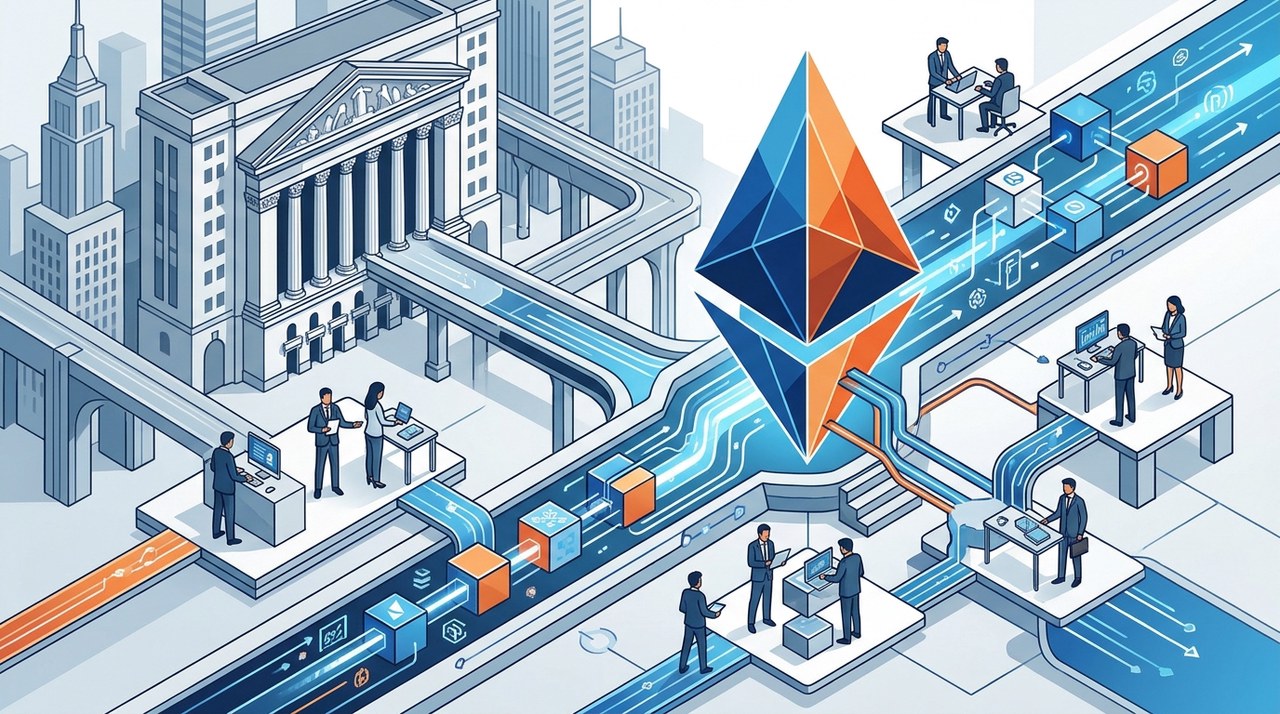
Wall Street Comes Knocking on Avalanche's Door
Traditional finance moves carefully. When major institutional entities explore public blockchains, the entire crypto market takes notice.
Avalanche has established itself as a top destination for institutional blockchain projects. Its architecture attracted interest from major financial infrastructure providers, including ties connected to the New York Stock Exchange (NYSE) parent ecosystem.
Ava Labs built Avalanche specifically to handle high transaction volumes with sub-second finality. Its primary feature allows companies to build customized, rule-compliant blockchains called subnets.
Winning enterprise trust is a huge milestone for any blockchain network. However, securing enterprise partners is only half the battle.
The Core Challenge: Translating Adoption into AVAX Token Value
Many newcomers assume that when a big corporation uses a blockchain, the native token price automatically increases. In reality, the connection is far more nuanced.
Think of a public blockchain network like a toll highway. If a corporation builds a private road next to the highway using similar designs, drivers on the private road do not pay tolls to the main highway.
This situation highlights the value capture challenge. For the native AVAX token to benefit, enterprise adoption must directly generate transaction volume or lock up supply on the main network.
How AVAX Tokenomics Work Under the Hood
To understand how economic value connects to AVAX, we must look at how the token functions across the ecosystem:
- Transaction Gas Fees: All transactions on the primary network require gas fees paid in native AVAX.
- Deflationary Fee Burning: Avalanche burns 100% of transaction gas fees rather than distributing them to validators. This process permanently removes AVAX from total circulation.
- Staking and Network Security: Validators and delegators must stake AVAX to secure the consensus layer and receive protocol rewards.
When activity grows on the main network, more AVAX gets burned. This burn dynamic creates supply reduction over time when network usage remains high.
The Subnet Paradox: Private Networks vs Public Utility
Subnets are a main selling point for traditional institutions. Subnets allow institutions to create permissioned networks with full control over compliance and regulatory settings.
On these subnets, institutions can mandate identity verification checks. They can also customize which asset pays for transaction gas, such as a custom stablecoin.
Here lies the trade-off. If a company runs an isolated subnet and uses a custom stablecoin for gas, it may not generate direct gas burns for the public AVAX token.
To address this, Ava Labs developed cross-chain messaging tools like Teleporter. These upgrades connect custom subnets back to the primary network so liquidity and security stay linked to AVAX.
Prediction Markets and Pre-IPO Tokenization Trends
Institutional interest coincides with growing demand for Real-World Assets (RWAs) and predictive market contracts. Market participants increasingly track major corporate milestones directly on-chain.
For instance, prediction markets actively track which major private tech firms might launch an Initial Public Offering (IPO) before 2027. Current market data shows estimated probabilities for several key companies:
- Anthropic: 97% estimated probability of an IPO before 2027.
- Celonis: 50% estimated probability.
- Freddie Mac: 6% estimated probability.
- Remote: 5% estimated probability.
- Rippling: 5% estimated probability.
These IPO prediction outcomes have recorded over $625.67 thousand in trading volume. The prediction contracts are scheduled to close on January 1, 2027, at 04:59 UTC.
As traditional financial predictions and assets move onto blockchain infrastructure, networks like Avalanche aim to provide the foundational technology layer.
Market Scenario Analysis and Potential Outlook
Evaluating how value capture affects AVAX requires examining potential market conditions under different development outcomes.
Potential Upward Scenario
If institutional subnets adopt native AVAX for validation requirements or route high transaction volume through the main chain, fee burning could increase substantially. Under steady market liquidity and growing tokenized asset volume, increased network demand could support positive token utility — though short-term market volatility remains a factor.
Potential Downward Scenario
If financial institutions operate isolated private subnets without interacting with the primary Avalanche layer, enterprise adoption may fail to drive AVAX token demand. If broader crypto market liquidity declines or regulatory shifts slow tokenized asset adoption, token valuations could experience downward pressure.
Neutral Scenario
Institutional adoption may progress steadily through pilot projects without driving immediate spikes in mainnet fee burns. In this case, token demand would depend primarily on existing retail DeFi activity and general market trends.
Key Takeaways for Crypto Observers
Headline partnerships with institutions showcase technical capability, but long-term value depends on network economics. Observing actual mainnet usage metrics offers a clearer picture than announcements alone.
Key metrics to follow include daily AVAX gas burn rates, total value staked, and cross-subnet transaction counts.
Keep in mind that digital asset markets carry risk and experience price fluctuations. Past performance of digital assets is not a guarantee of future returns. You can review real-time market data on the Bitkub Market.
Latest blog posts


 +2
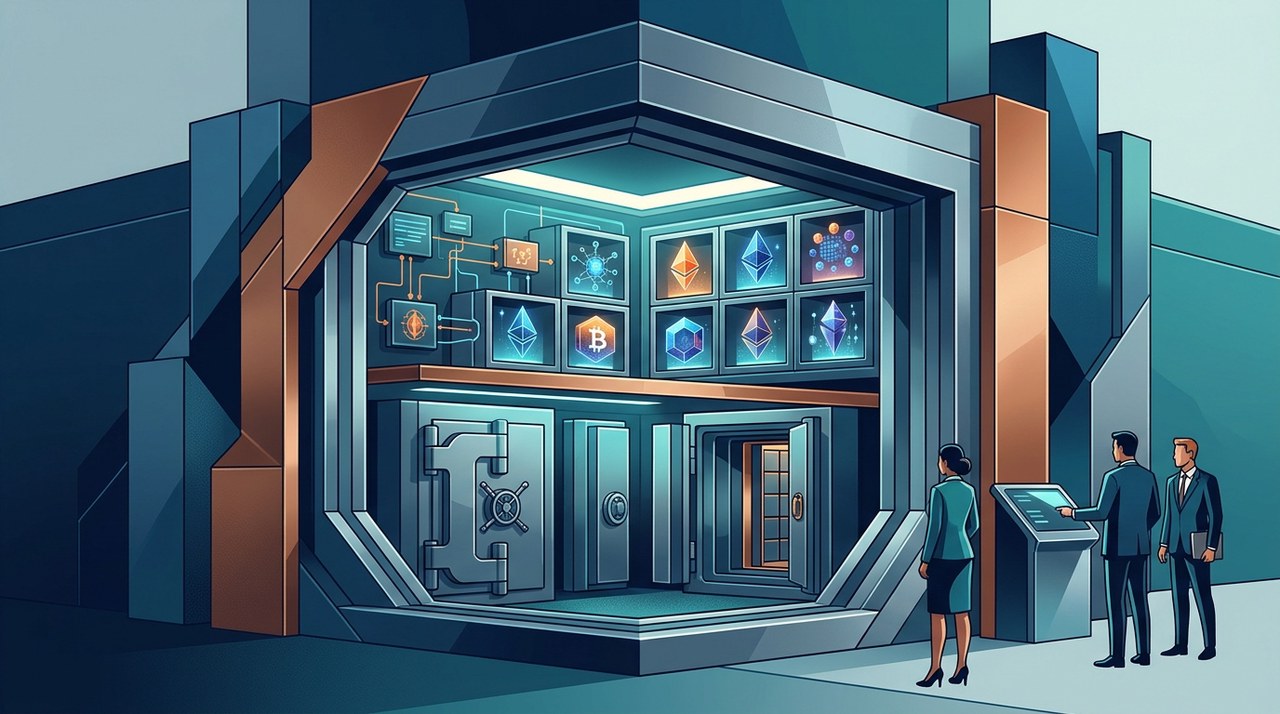
Deutsche Bank Opens Digital Asset Custody for Institutions
Deutsche Bank has launched a digital asset custody service in Europe, offering institutional clients secure warm and cold storage for crypto and euro stablecoins.
|
 +1
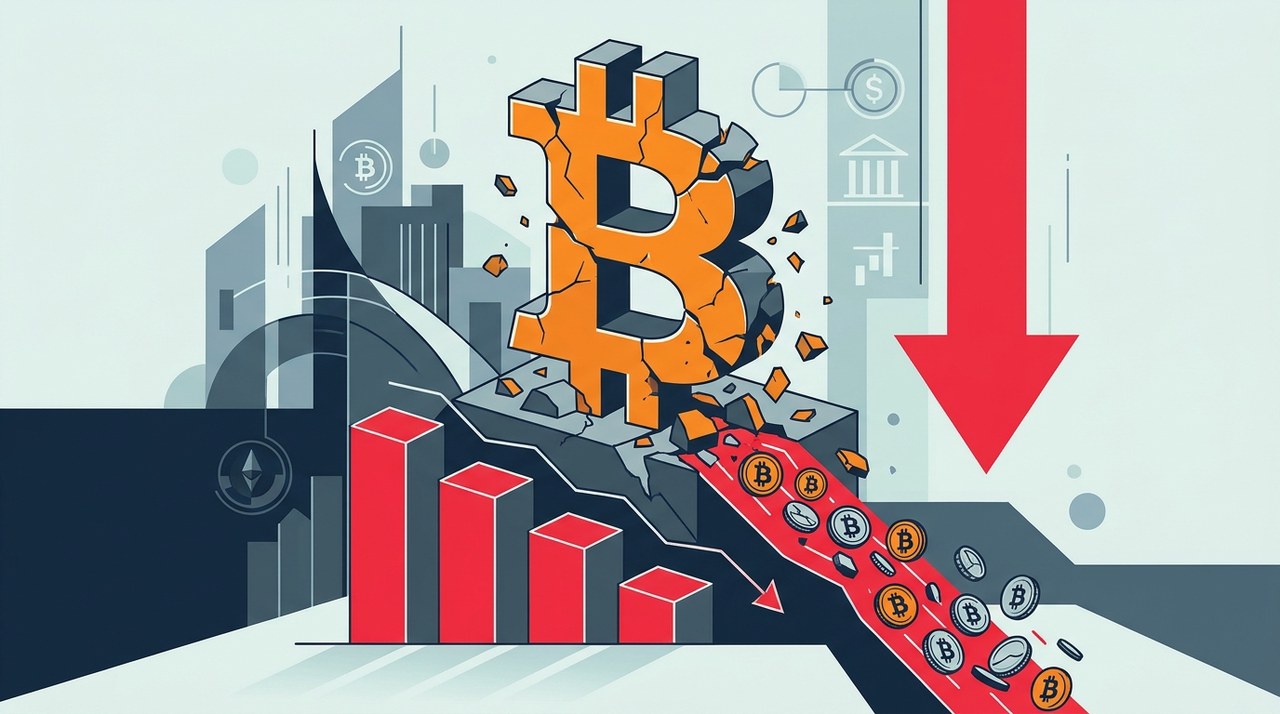
Bitcoin ETFs Face $1B Outflows as Red Streak Hits 4 Days
U.S. spot Bitcoin ETFs posted a fourth straight day of outflows, pushing 2026 total net losses past $1.1 billion as interest rate expectations shift.
|
Inmate Sentenced to 8 Years Over $2.7M Crypto Scheme
A prisoner received an eight-year sentence for running a $2.7 million cryptocurrency theft operation directly from his jail cell.
|