


Are Alt-L1s Over? Security and Costs Drive Chains to Ethereum
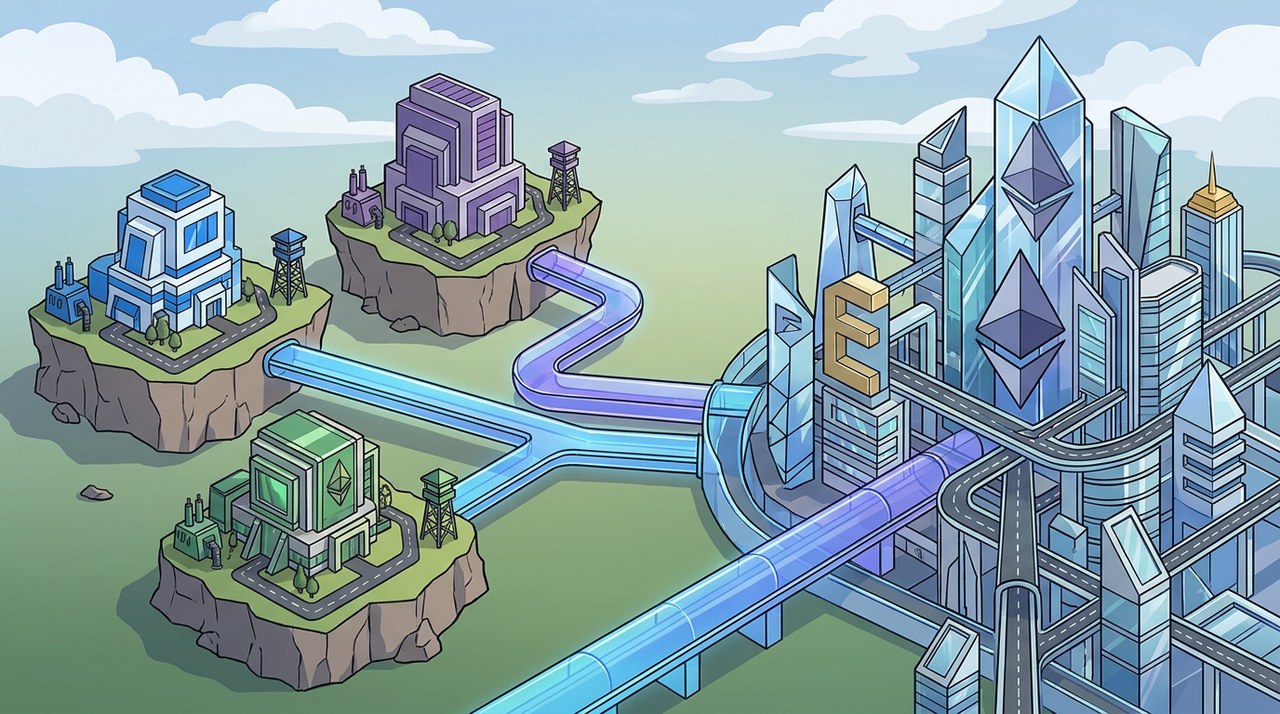
The Changing Landscape of Layer 1 Blockchains
Imagine opening a brand-new shop on a remote, quiet island. You have to build your own roads, set up your own power generators, and hire your own security guards just to keep the business running. That is very similar to what running an independent Layer 1 blockchain feels like today.
For years, many crypto projects built standalone networks known as alternative Layer 1s, or Alt-L1s. Their primary goal was to compete directly with EthereumETH+2.10% by offering faster speeds and lower transaction costs.
However, building everything from scratch has proven to be extremely expensive and challenging over time. Today, established independent networks such as ZilliqaZIL-1.63%, GnosisGNO+0.00%, and Ronin are shifting their strategies to join forces with the Ethereum ecosystem.
Understanding Alt-L1s and the Original Competition
A Layer 1 (L1) blockchain serves as the base layer of a network. It validates and settles transactions directly on its own independent infrastructure. Examples of primary L1 networks include BitcoinBTC+0.77%, Ethereum, and Solana.
During previous market cycles, Ethereum faced significant network congestion. High gas fees and slower processing times during peak usage created an opportunity for competing networks to gain market share.
These Alt-L1s launched with custom architecture to attract developers and users seeking faster, cheaper transactions. Yet, maintaining long-term security and user liquidity on an isolated island network proved difficult.
The Economic Reality: High Costs and Fragmented Liquidity
To keep an independent Proof-of-Stake or Proof-of-Work blockchain safe, a project must incentivize thousands of global nodes or validators. Paying these validators requires issuing steady block rewards in native tokens.
Continuous token issuance can create high inflation, placing heavy sell pressure on project tokens. If token values drop, the monetary incentive to secure the network diminishes, which can weaken overall blockchain security.
In addition to security expenses, Alt-L1s face liquidity fragmentation. When user funds are scattered across dozens of isolated networks, decentralized applications (dApps) struggle to get enough capital for smooth trading.
Operating an isolated blockchain requires ongoing capital expenditures simply to maintain basic network security and user activity.
Why Ethereum Is Pulling Chains Into Its Ecosystem
Ethereum has accumulated the largest validator set and deepest capital liquidity in the smart contract ecosystem. It functions effectively as the main financial center of decentralized finance (DeFi).
By connecting to Ethereum as Layer 2 rollups, validiums, or Ethereum Virtual Machine (EVM) aligned sidechains, smaller networks inherit Ethereum's robust security model. This approach saves millions of dollars in validator subsidies.
Furthermore, bridging assets becomes safer and more straightforward when networks share Ethereum's underlying tech stack. Users can move funds seamlessly without relying on risky third-party bridges.
Case Studies: Zilliqa, Gnosis, and Ronin
Several prominent blockchain networks are demonstrating how this transition works in practice.
Zilliqa (ZIL): Transitioning Toward Full EVM Alignment
Zilliqa was an early innovator in blockchain sharding technology, enabling high transaction throughput long before modern scaling solutions became popular.
Under its Zilliqa 2.0 roadmap, the network is upgrading to achieve full EVM compatibility and explore interoperability with Ethereum ecosystem standards. This update lets developers deploy existing Ethereum software directly onto Zilliqa.
For users tracking ZIL performance and historic updates, past digital asset returns do not guarantee future results. You can monitor live market data at Bitkub Ethereum Market.
Gnosis (GNO): Deep Technical Alignment with Ethereum Core
Gnosis Chain originally ran as an independent network called xDAI. Over time, it redesigned its infrastructure to mirror Ethereum's client architecture directly.
By aligning its core consensus and execution clients with Ethereum, Gnosis enables developers to run Ethereum software smoothly while keeping operational costs manageable.
Ronin: Strengthening Gaming Infrastructure via Rollup Tech
Ronin is an application-specific blockchain developed by Sky Mavis, the creators of Axie InfinityAXS-0.47%. It initially launched as an independent sidechain to handle large gaming transaction volumes.
To improve security and prepare for mass scale, Ronin announced plans to integrate zero-knowledge rollup (zkEVM) technology linked back to Ethereum.
This step allows Ronin to anchor its transactions onto Ethereum for security while continuing to offer ultra-fast, low-cost gaming transactions for players.
Monolithic vs. Modular: A Major Industry Evolution
This shift marks a broader transition from monolithic blockchain designs to modular architecture. Monolithic chains try to do everything—execution, consensus, data availability, and settlement—on one single layer.
Modular systems split these responsibilities among specialized layers. In this model, Ethereum frequently acts as the underlying settlement and security layer, while connected chains focus on specialized execution for gaming, social apps, or trading.
Risks and Considerations for Users and Developers
While moving closer to Ethereum brings major benefits, there are important factors to monitor carefully.
- Technical Migration Complexity: Upgrading an active network to a rollup or EVM-aligned system involves delicate smart contract migrations and potential software bug risks.
- Network Congestion Inheritance: Projects connected to Ethereum must ensure their layer-2 design isolates execution fees so that mainnet gas spikes do not affect user experiences.
- Token Volatility: Aligning with Ethereum improves tech stack interoperability, but it does not protect native tokens from overall market volatility and crypto market trends.
Conclusion: A More Connected Web3 Ecosystem
The trend of Alt-L1s joining the Ethereum ecosystem demonstrates how the blockchain industry is maturing. Rather than burning resources to build duplicate security infrastructure, chains are collaborating around shared security standards.
By leveraging Ethereum for baseline security and liquidity, networks like Zilliqa, Gnosis, and Ronin can dedicate their resources toward creating superior applications and onboarding the next generation of users.
Latest blog posts

 +2
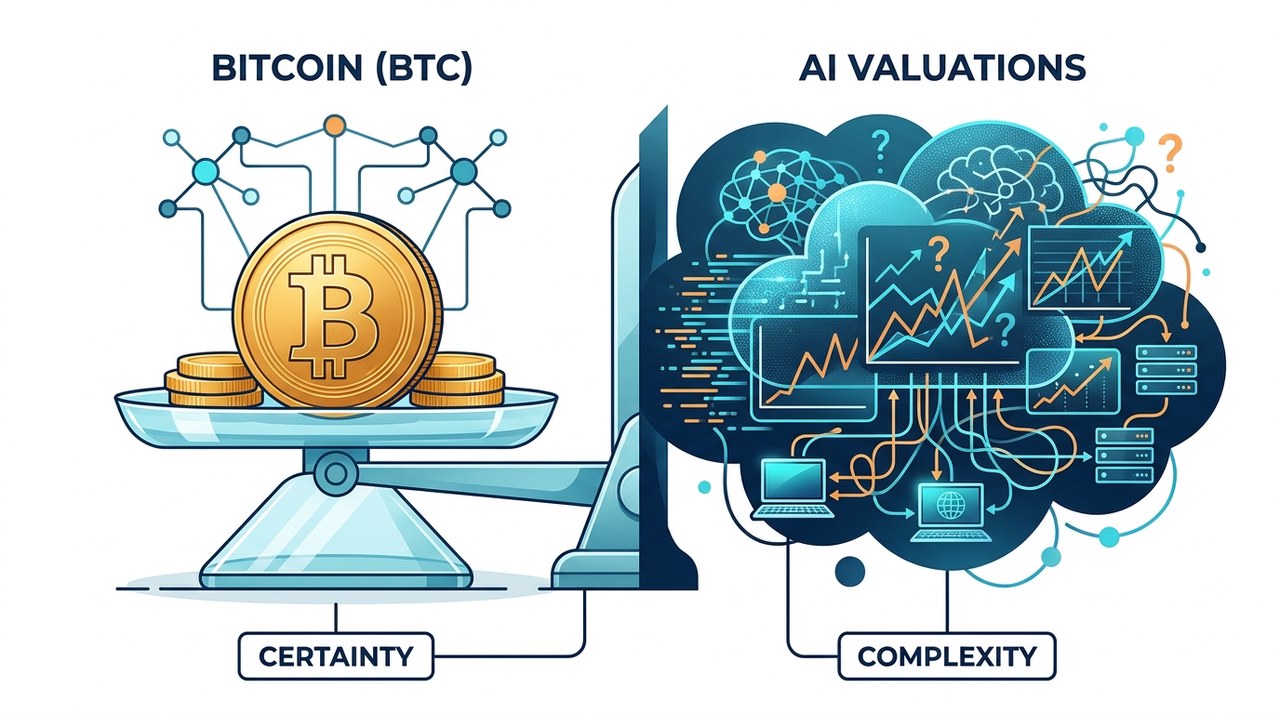
Why Bitcoin Is Easier to Value Than AI
Investor Bill Miller IV explains why valuing Bitcoin is simpler than AI stocks, despite BTC having no cash flow.
|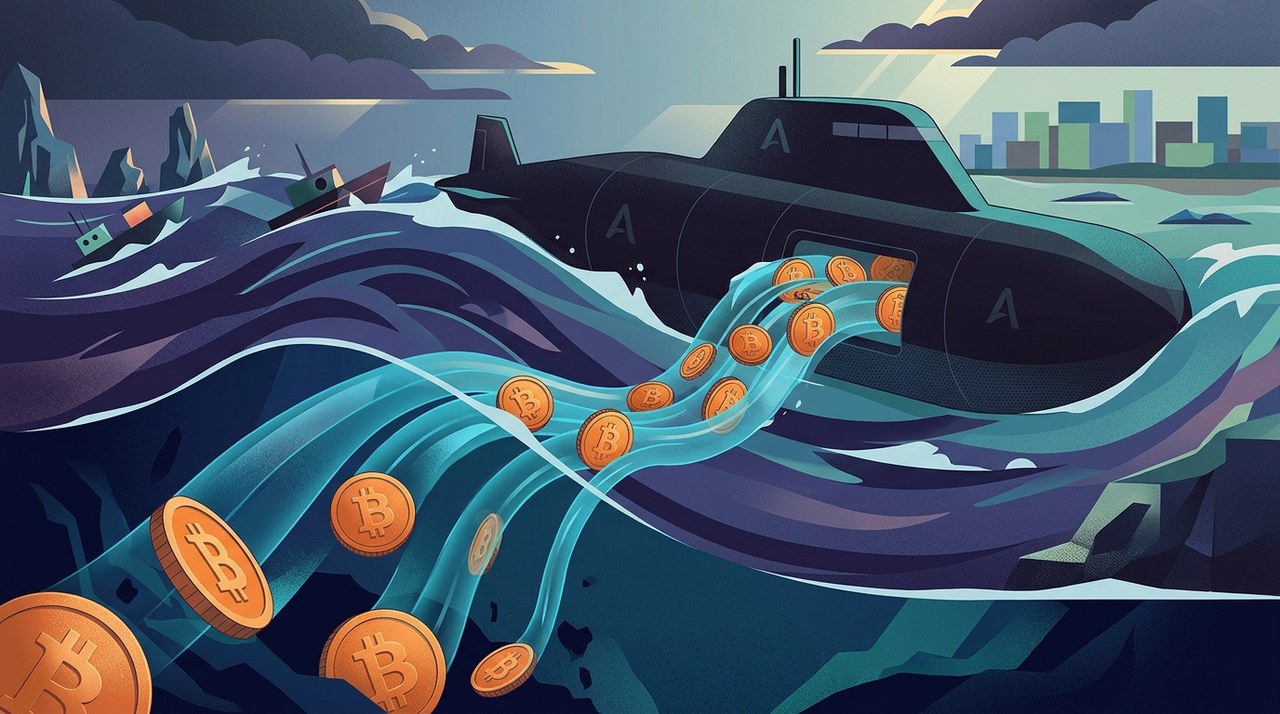

Bitcoin Dip Prompts $1B Whale Transfer by Hedge Fund
Hedge fund Abraxas Capital Management transferred 17,597 BTC off exchanges as Bitcoin dipped below $60,000, boosting its tracked holdings significantly.
|


Trump Meme Coin Dinner Seat Cost Falls to $518
The minimum threshold to qualify for President Donald Trump's meme coin dinner has plummeted from $55,000 to just $518 ahead of tonight's event.
|