
Ant International Launches Protocol for Tokenized Assets

Ant International Bridges Bank Deposits and Investment Funds
Imagine you have cash sitting in a business bank account. You want to earn extra interest on it, but you also need instant access to pay unexpected bills.
In traditional finance, moving money between an investment account and a spendable bank account takes time. It often takes hours or even several business days to settle.
Ant International is tackling this standard financial delay. The fintech arm of Ant Group has officially launched a new blockchain solution called the Whale Orchestration Protocol.
This new protocol connects tokenized commercial bank deposits directly with tokenized money market funds in real time, making corporate money management faster and more efficient.
What is the Whale Orchestration Protocol?
To understand why this launch matters, it helps to look at how large global businesses handle cash today. Corporations routinely move billions of dollars across international borders.
Managing these massive sums usually requires slow clearing houses, rigid banking hours, and high administration fees.
The Whale Orchestration Protocol acts like a universal adapter for digital assets. It runs on advanced blockchain infrastructure to automate cross-asset transactions.
By linking different tokenized formats, the system allows treasury managers to shift assets smoothly between liquid cash-like tokens and yield-generating investment tokens.
Understanding Tokenized Commercial Bank Deposits
Tokenized deposits are digital representations of regular commercial bank deposits recorded on a distributed ledger. They represent claims against fully regulated commercial banks.
Unlike standard unbacked cryptocurrencies, tokenized deposits maintain strict parity with traditional fiat currencies. They combine the security of traditional banking with the processing speed of blockchain technology.
Understanding Tokenized Money Market Funds
Money market funds (MMFs) are mutual funds that invest in conservative, short-term financial instruments like government bonds and high-grade corporate debt.
When financial managers tokenize an MMF, they convert ownership shares into digital tokens on a blockchain. This setup allows for granular ownership tracking and faster liquidity.
How Real-Time Settlement Works in Practice
Historically, financial managers had to choose between liquidity and yield. Money kept in cash was immediately available but earned very little interest.
Conversely, money placed into yield-generating funds earned interest but required waiting periods to convert back into cash. This delay is known as settlement risk.
The Whale Orchestration Protocol relies on smart contracts to execute peer-to-peer swaps almost instantly on-chain.
Here is how the automated workflow functions for institutional users:
- Cash Storage: A business holds tokenized bank deposits inside its corporate blockchain wallet.
- Yield Sweeping: Unused balances are automatically converted into tokenized money market funds to earn short-term yield.
- Instant Conversion: When a bill or payroll is due, the protocol immediately swaps the MMF tokens back into bank deposit tokens.
- Continuous Clearing: Transactions complete within seconds, 24 hours a day and 7 days a week.
Why Real-Time Treasury Settlement Matters
For global companies, time literally is money. Allowing millions of dollars to sit idle over weekends means missing out on interest earnings.
At the same time, failing to clear payments on time due to banking holidays can disrupt complex global supply chains.
By automating the settlement loop between yield instruments and bank deposits, corporate treasurers can keep capital working constantly without risking cash shortfalls.
"Instant settlement between tokenized deposits and money market funds allows institutions to maximize capital returns while maintaining full, immediate access to liquidity."
Key Advantages of Institutional Asset Tokenization
The adoption of the Whale Orchestration Protocol highlights several key benefits for enterprise financial systems:
- Immediate Access to Cash: Companies bypass traditional T+1 or T+2 fund redemption delays.
- Automated Balance Management: Smart contracts handle balance triggers, reducing manual operational mistakes.
- Lower Transaction Costs: Eliminating intermediary layers reduces administrative and clearing fees.
- Enhanced Transparency: Immutable blockchain ledgers offer clear transaction histories for auditing purposes.
Risks and Regulatory Compliance Considerations
While blockchain-based treasury management offers notable speed and efficiency, market participants must also carefully evaluate potential operational and structural risks.
Smart Contract Security: Automated settlement networks rely on underlying code. Software bugs or smart contract exploits can lead to operational outages.
Liquidity under Stress: Money market funds are designed to be low-risk, but extreme market volatility can still slow asset liquidations or alter short-term yields.
Regulatory Evolving Standards: Financial regulators across global jurisdictions are still refining rules around tokenized commercial money and cross-border token flows.
Interoperability Challenges: Connecting proprietary banking networks with distinct public or private blockchains requires strict cyberCYBER+0.01% security protocols.
The Broader Impact on Real-World Assets (RWAs)
The launch by Ant International aligns with a broader momentum across traditional finance toward Real-World Asset (RWA) tokenization.
Major investment giants like BlackRock, JPMorgan, and Franklin Templeton have already introduced tokenized funds and asset networks.
Rather than competing with legacy institutions, orchestration protocols build a bridge between traditional banking infrastructure and modern blockchain tools.
Conclusion: What Comes Next for Enterprise Treasuries
Ant International's deployment of the Whale Orchestration Protocol represents a practical step forward for programmable financial infrastructure.
As tokenized bank deposits gain regulatory clarity worldwide, institutional demand for automated liquidity tools is expected to grow.
While full enterprise adoption will take time and rigorous security verification, real-time asset settlement is fast becoming a core feature of global financial technology.
Latest blog posts
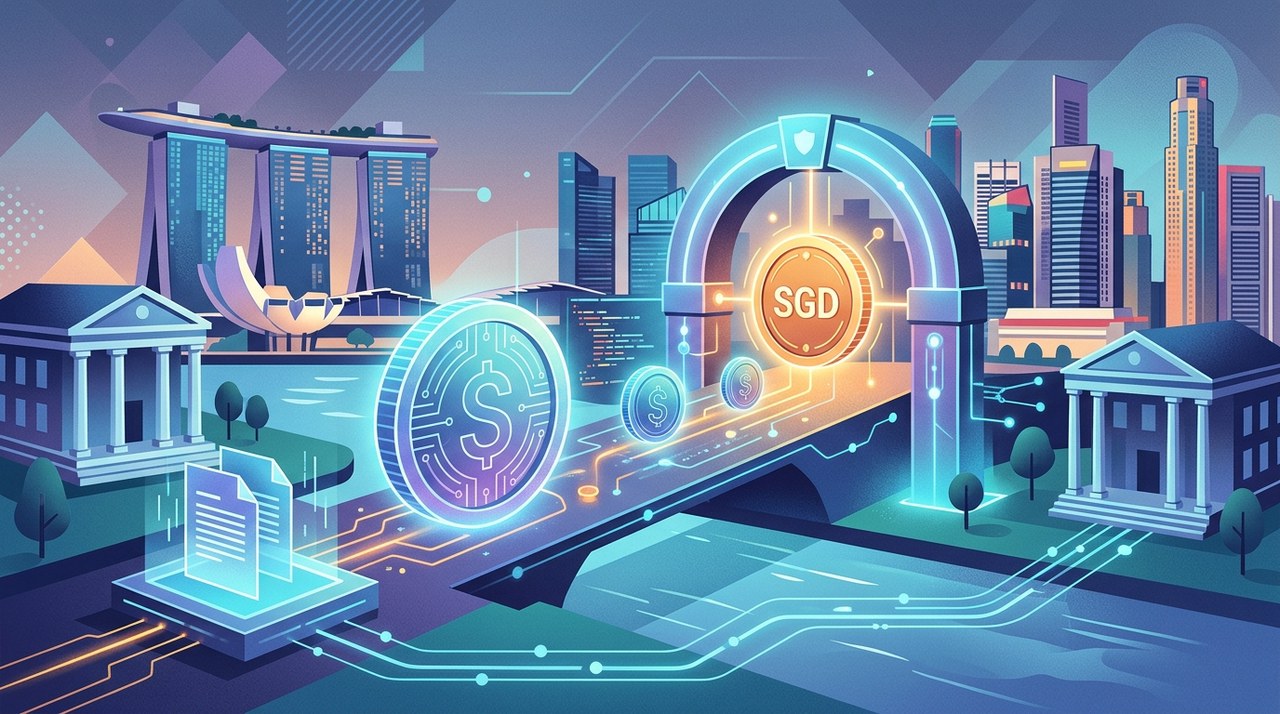
Singapore Settles $77.5M Tokenized Bill via CBDC
Singapore's central bank has processed a $77.5 million tokenized bill settlement using local central bank digital currency, aiming for wider testing by 2027.
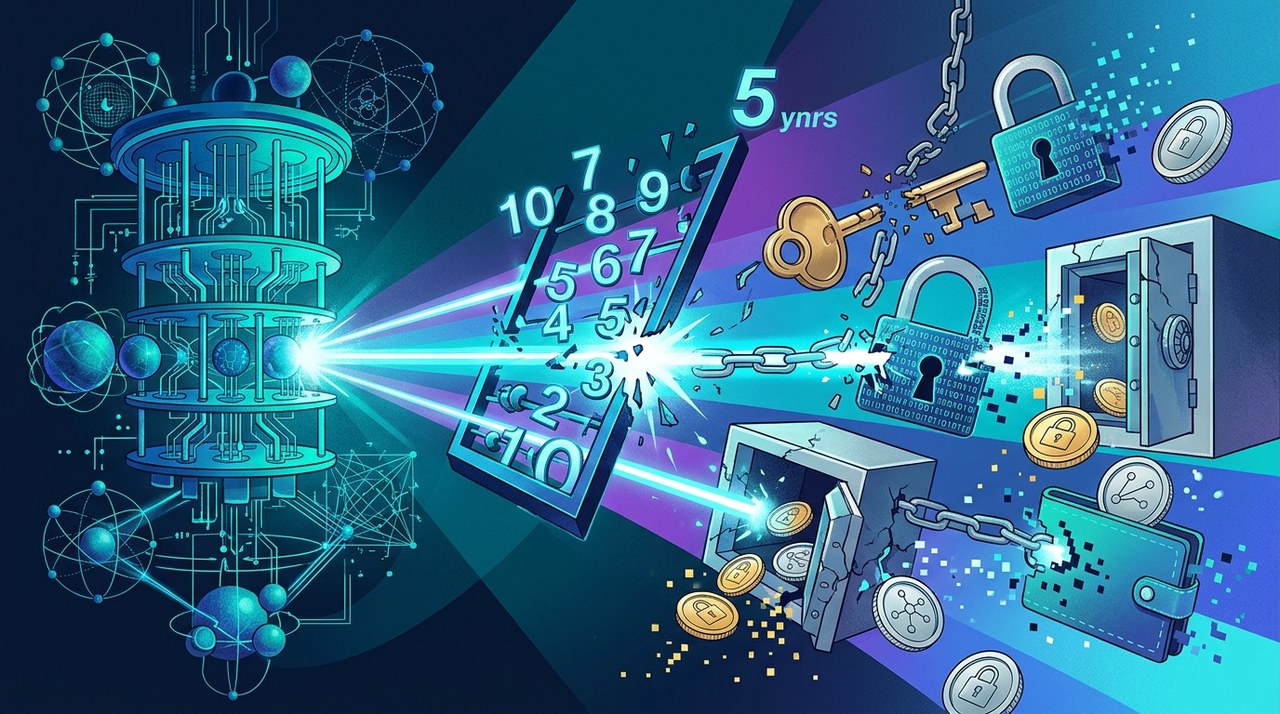


Quantum Computers Could Threaten Financial Security in 5 Years
Financial regulators warn that banks and blockchains face a complex security upgrade before quantum computers can break standard encryption.
|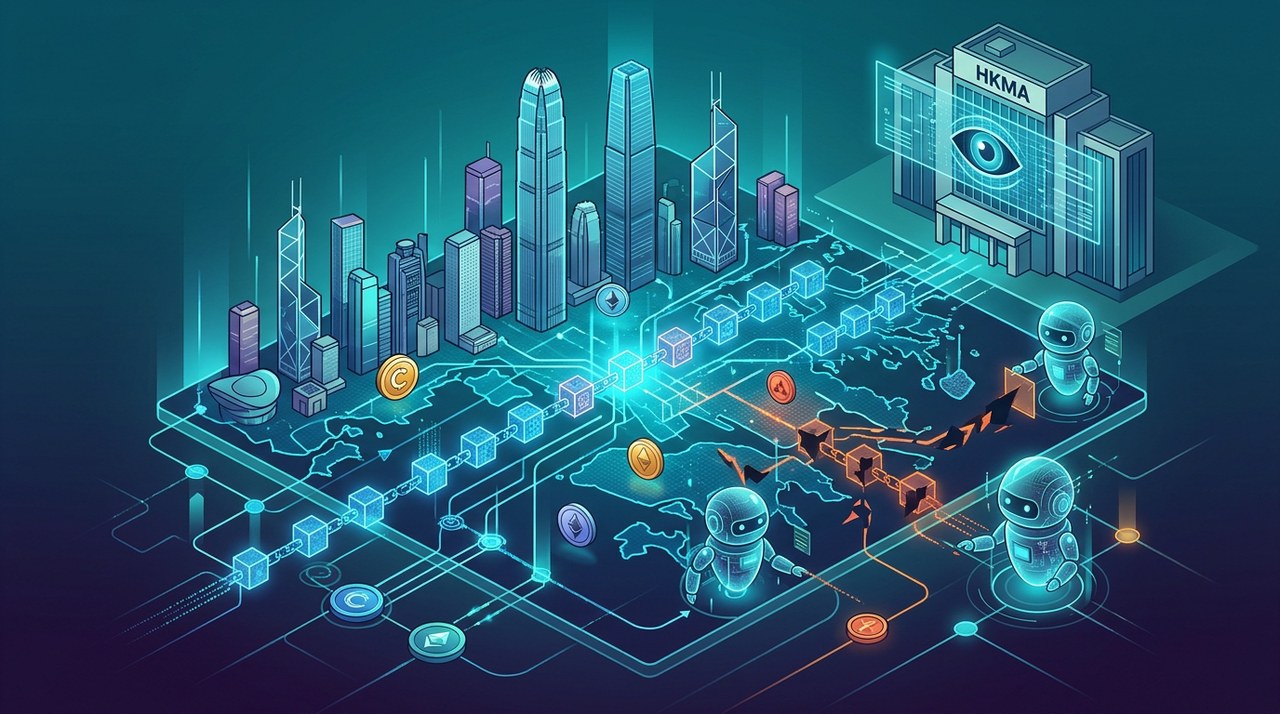
Hong Kong Taps Agentic AI to Tackle Rising Crypto Crime Risks
The Hong Kong Monetary Authority plans to use agentic AI to track suspicious digital asset movements and strengthen anti-money laundering controls.
|