
2026 US Midterms: What the Election Means for Crypto
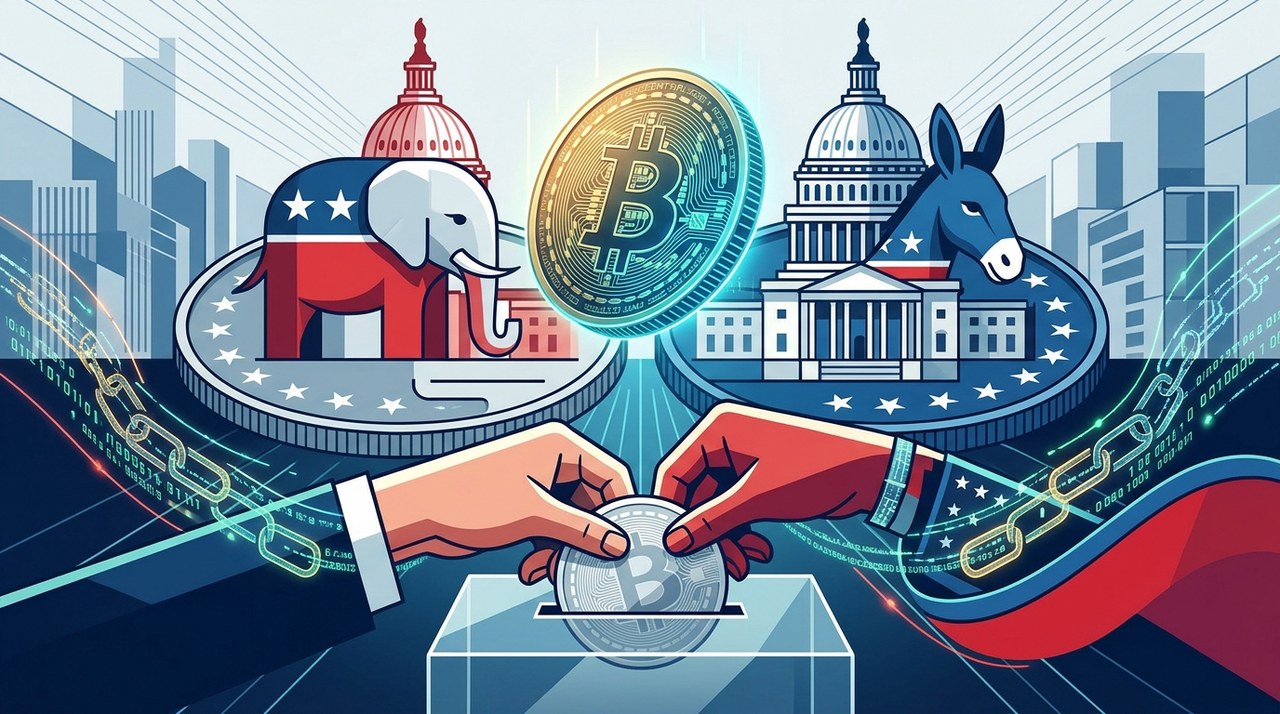
Why Do the 2026 Midterm Elections Matter for Crypto?
Every four years, right in the middle of a US president's term, American voters head to the polls for the midterm elections. While midterms do not choose a new president, they decide which political party controls the House of Representatives and the Senate.
For anyone involved in digital assets, this political event carries real weight. Congress creates the laws that dictate how cryptocurrencies are taxed, regulated, and integrated into traditional finance.
The Power of the Ballot Box: How Politics Shapes Digital Assets
In recent years, cryptocurrency has evolved from a technical side topic into a mainstream political issue. Candidates from all sides of the political spectrum now regularly speak about blockchain innovation and consumer protection.
To help crypto-friendly voices get elected, several political action committees (PACs) have raised significant funds. These groups aim to support lawmakers who understand blockchain technology.
- Fairshake PAC: A leading bipartisan committee raising capital to back candidates who support clear regulatory frameworks.
- Stand With Crypto: A grassroots movement mobilizing voters to track candidate stances on digital asset policies.
- Congressional Leadership: Controlling committee chairs lets leaders choose which crypto bills get a vote.
Key Legislation on the Line in 2026
When the next Congress takes office after the 2026 elections, lawmakers will inherit several crucial digital asset bills. The political balance in Washington will determine which bills move forward.
1. Comprehensive Market Structure
One of the largest questions in crypto is agency jurisdiction. Lawmakers want to draw clear lines between the Securities and Exchange Commission (SEC) and the Commodity Futures Trading Commission (CFTC). Clearer market rules give businesses confidence to build locally.
2. Stablecoin Regulation
Stablecoins play a vital role as liquidity bridges in digital finance. Proposed stablecoin legislation focuses on reserve backing standards, redemption guarantees, and bank-grade oversight for stablecoin issuers.
3. Central Bank Digital Currency (CBDC) Debates
Debates continue over whether the Federal Reserve should ever create a digital dollar. Some lawmakers advocate for private sector stablecoins, while others study public digital currencies. The 2026 midterms could decide which direction prevails.
Potential Market Scenarios and Economic Realities
Political outcomes can heavily influence market sentiment. However, price action always depends on multiple factors, including broader economic conditions, interest rate trends, and overall market demand.
Scenario A: A Pro-Innovation Majority
If lawmakers who favor clear crypto guidelines win a unified majority, Congress could pass structural market reform quickly. Assuming macroeconomic conditions remain stable and interest rates stay favorable, regulatory clarity could boost institutional participation. However, even in a pro-crypto environment, digital assets face downside risks if global economic growth slows or unexpected tech failures occur.
Scenario B: A Divided Government
If control of Congress is split between parties, major legislation could stall. In this middle-ground scenario, federal regulators like the SEC would likely continue governing primarily through enforcement actions. Market sentiment might stay neutral, with growth continuing steadily in secondary international markets while US policy remains uncertain.
Scenario C: Tighter Regulatory Oversight
If a majority focused on strict oversight takes control, Congress might introduce heavier compliance burdens, higher tax requirements, or tighter restrictions on decentralized finance (DeFi). This could lead to short-term market corrections or encourage blockchain startups to register overseas.
Key Congressional Committees to Keep an Eye On
Not all congressional races affect crypto equally. The real work happens inside specific committees that draft policy.
- Senate Banking Committee: Directs oversight over SEC rules and banking integration.
- House Financial Services Committee: Drafts key innovation laws and stablecoin frameworks.
- House & Senate Agriculture Committees: Controls oversight of the CFTC, affecting commodities like BitcoinBTC+1.22%.
Historical Context: Election Cycles and Markets
Financial markets often experience increased volatility in the months leading up to major elections as participants weigh potential policy changes. Once election results are finalized, uncertainty tends to settle down.
Historical digital asset returns or past performance during election cycles do not guarantee future performance or results.
To stay informed on market trends and price histories, you can review current digital asset data on Bitkub Market.
How to Stay Informed as an Investor
Election seasons produce plenty of headlines and speculation. Staying level-headed helps you navigate political noise without making impulsive financial decisions.
- Track Real Policy: Separate campaign speeches from actual bills introduced in Congress.
- Manage Expectations: Policy changes take time to move through committee hearings and votes.
- Focus on Fundamentals: Remember that global adoption, technological utility, and macroeconomic conditions matter just as much as domestic politics.
Looking Ahead to 2026
The 2026 US midterm elections will mark an important milestone for the digital asset industry. As Web3 technologies mature, the relationship between lawmakers and blockchain developers will continue to evolve. Watching these legislative shifts gives investors valuable perspective on the future of global digital asset regulation.
Latest blog posts

What Voters Really Think About the Crypto Industry
A CoinDesk-commissioned poll from April offers a closer look at how regular voters view cryptocurrency, regulation, and digital assets.



Justin Sun Seeks $264K Sanctions Against Trump Crypto Firm
Tron founder Justin Sun is seeking $264,000 in court sanctions against World Liberty Financial over undisclosed foreign ownership ties.
|

Tether CEO Discloses 150,000 BTC Holdings in Strategic Update
Tether holds roughly 150,000 Bitcoins according to its CEO, exceeding the figure shown in recent quarterly reserve reports by 50,000 BTC.
|