

15 Years of XRP Ledger: From First Code to Major Upgrades
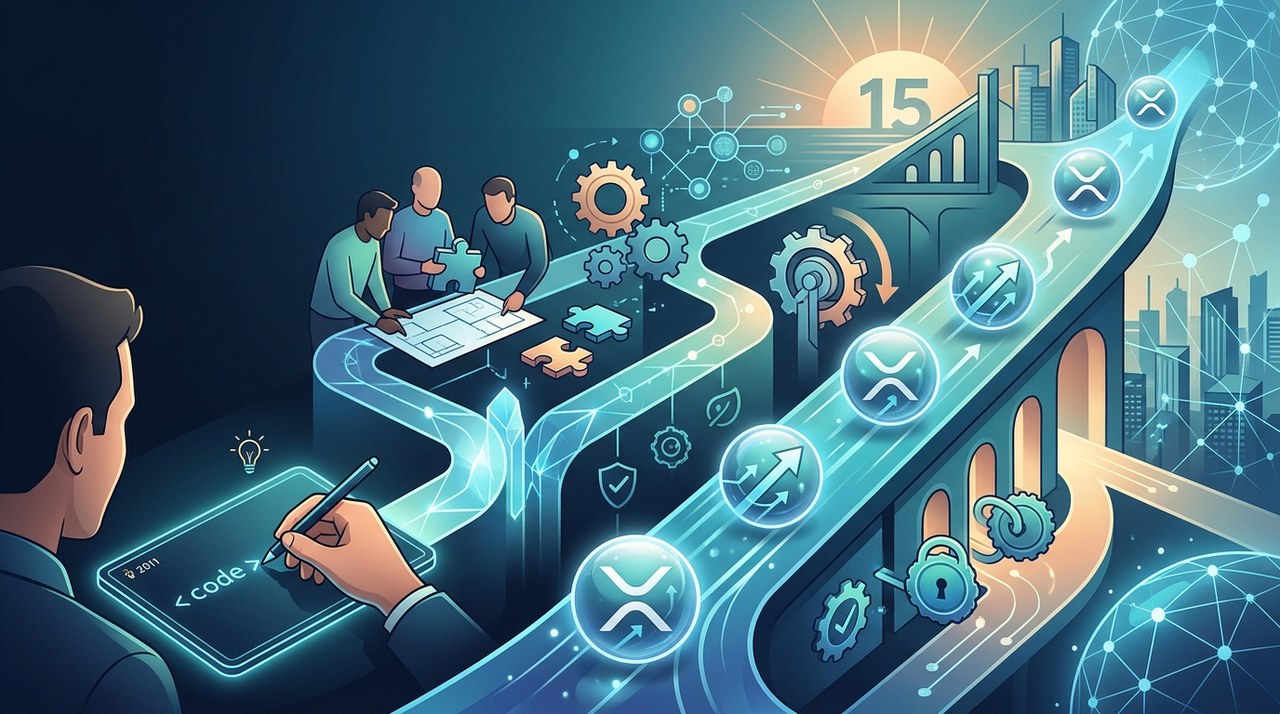
A Milestone 15 Years in the Making
On November 11, 2011, a software developer named David Schwartz sat down to write a single line of code. At the time, few could have guessed that this line of code would lay the foundation for the XRP Ledger (XRPL).
Fifteen years later, Schwartz serves as RippleXRP+4.34%'s CTO Emeritus. His initial work in mid-November 2011 sparked the creation of one of the cryptocurrency industry's most established payment networks.
How Three Engineers Started the XRP Ledger
David Schwartz was not working alone back in 2011. He teamed up with two other visionary developers, Jed McCaleb and Arthur Britto, to rethink how digital money could move around the world.
The trio looked closely at BitcoinBTC+1.13% for inspiration. While they admired Bitcoin's revolutionary design, they also recognized its early limitations. They wanted to build a blockchain that was far more energy-sustainable and designed specifically for fast, everyday financial transactions.
After months of hard work, their vision became reality. The XRP Ledger officially went live in June 2012, setting the stage for global enterprise adoption.
The Early Days of Ripple and XRP Tokenomics
The project quickly gained momentum. In September 2012, tech entrepreneur Chris Larsen joined forces with the original core engineering team.
Together, they incorporated a new business called NewCoin. The company soon changed its name to OpenCoin, before finally settling on the name we know today: Ripple.
To support Ripple's mission, the ledger's original creators donated 80 billion XRP to the company. XRP functions as the native digital asset of the XRP Ledger network.
To ensure long-term market predictability and prevent supply floods, Ripple placed around 55 billion XRP into a secure escrow system. Under this programmatic release schedule, Ripple unlocks 1 billion XRP on the first day of every single month.
While scheduled escrow unlocks provide predictable supply structure, investors should remember that digital asset prices remain volatile. Past performance of digital assets is not a guarantee of future returns.
Why November Matters for the XRP Ecosystem
The month of November holds deep historical significance for community members and developers across the XRP network.
First, November 11 marks the anniversary of David Schwartz writing that first foundational line of code in 2011.
Second, November marks a major institutional milestone: the anniversary of the first U.S. spot XRP exchange-traded fund (ETF).
Canary Capital launched its landmark spot XRP ETF under the ticker symbol XRPC on November 13, 2025. This historic listing became the first spot XRP ETF available on a regulated U.S. stock exchange.
Looking Ahead: What to Expect from XRPL Version 3.5.0
As the XRP Ledger turns 15, software developers continue pushing forward with crucial infrastructure improvements to maintain system stability.
The core developer community has scheduled the launch of XRPL Version 3.5.0 for December 3, 2026.
This technical update focuses entirely on underlying performance optimizations and bug fixes. Most importantly, version 3.5.0 introduces a permanent fix for rare issues that occasionally caused slow ledger closing times.
With continuous technical upgrades and 15 years of operational history, the XRP Ledger remains a foundational network in the global crypto ecosystem.
Latest blog posts
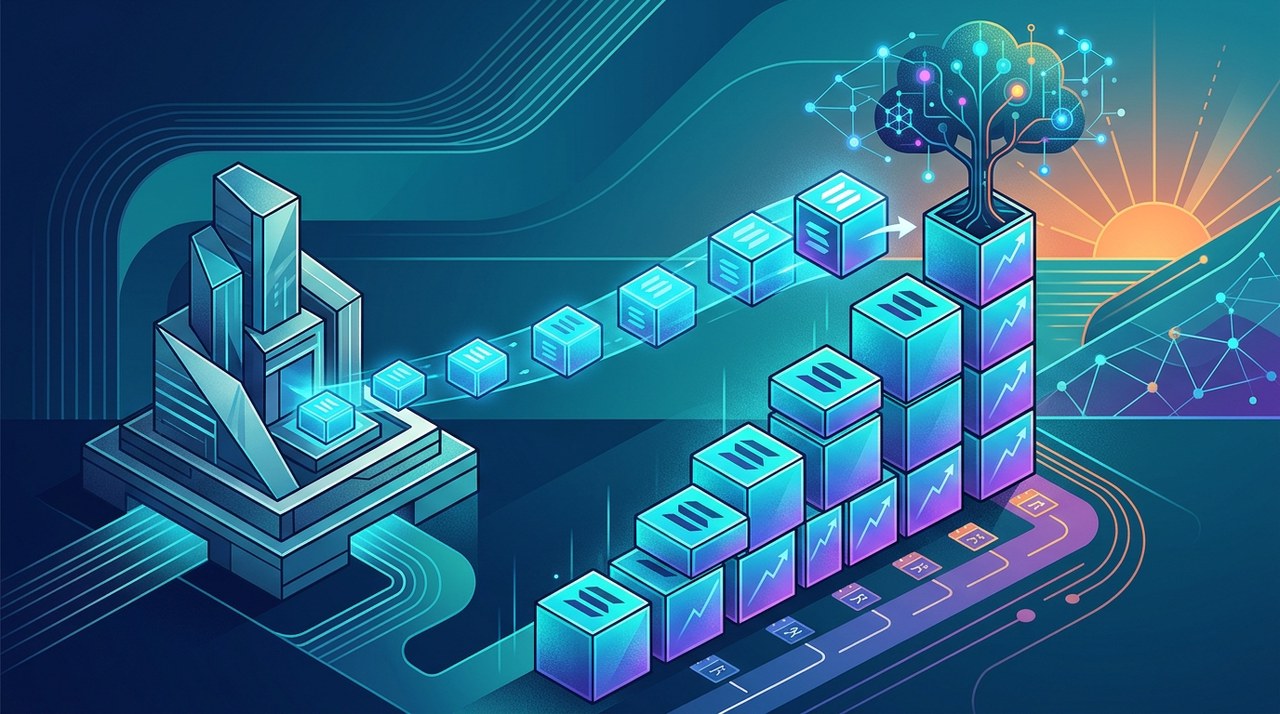

DeFi Development Extends Solana Buying to 11 Straight Weeks
DeFi Development bought 5,180 SOL recently, extending its buying streak to 11 consecutive weeks and bringing its Solana treasury to 2.62 million SOL.
|
 +2
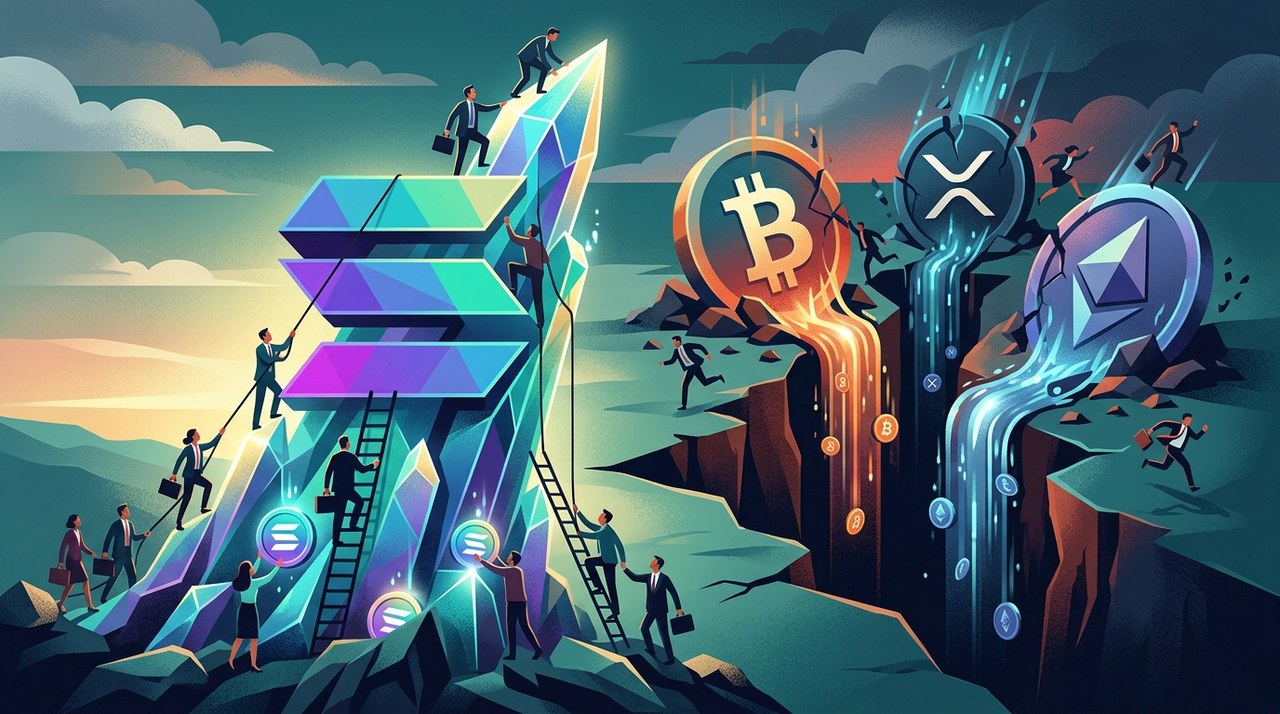
Solana Spot ETFs Gain $4.38M as Bitcoin and XRP Face Outflows
Solana spot ETFs recorded $4.38 million in net inflows, breaking a six-week slump while Bitcoin, Ethereum, and XRP experienced significant capital withdrawals.
|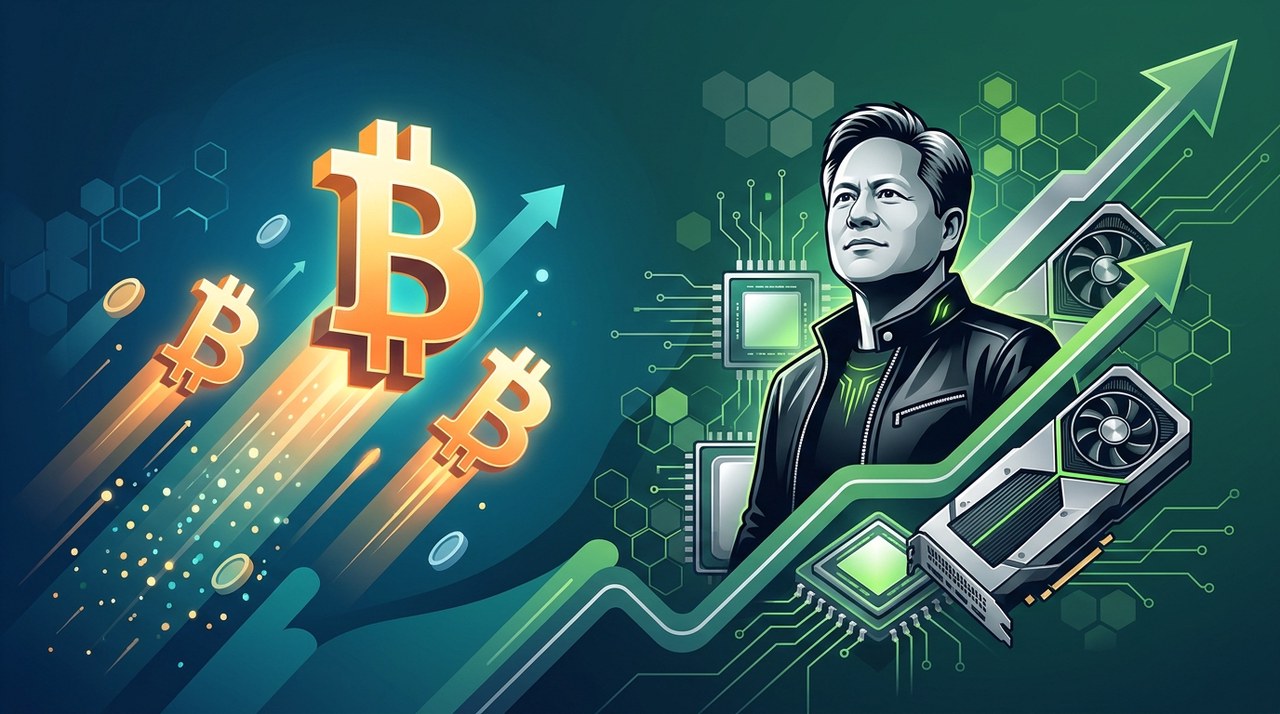
Bitcoin Rallies as Nvidia Reinstates Jensen Huang as CEO
Nvidia stock jumped 30% after Jensen Huang was reinstated as CEO, sparking a broader rally across Bitcoin, crypto, and technology stocks.
|